“2001” search results (1270)

Introduction to the flavor and taste of Rwandan coffee beans the characteristics of Rwandan coffee beans
In 2000, the Mayor of Malaba requested development assistance from the National University of Rwanda (UNR), which is located near the city of Butare, and the following year, the National University of Rwanda assisted in the establishment of the Joint strengthening Rwanda Agricultural Partnership (PEARL). PEARL is also supported by several organizations: the United States Agency for International Development (USAID), Michigan State University, Texas A & M University, and
2016-07-21 Rwanda coffee beans flavor taste introduction boutique coffee features 2000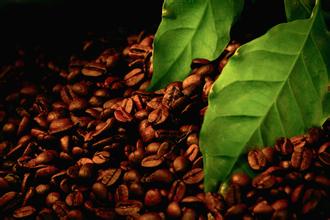
History of coffee in Rwanda
In 1999, 220 coffee growers formed guilds in the Malaba area (formerly part of Butare province) to address the disease. Among the guild members, many farmers were separated from their loved ones by the 1994 mass massacre, while some husbands were jailed or were taken to the traditional Gacaca Court (gacaca) to face trial on charges of participating in the massacre. They named the guild Abauza.
2016-06-01 Rwanda Coffee History 1999 220 households growers Solutions
Introduction to the description of cultural baking degree of high-quality coffee beans in Tanzania coffee producing areas
In recent years, on the basis of the success of economic reforms in previous years, the Tanzanian government has continued to deepen reform, strengthen macro-control and carry out privatization. In order to promote economic development, the Tanzanian government has also set up the National Business Association headed by the President and the Investment steering Committee headed by the Prime Minister; held a national financial conference to introduce a microcredit policy to support the development of small and medium-sized enterprises; reduced and reduced the part of foreign-funded enterprises
2016-09-23 Tanzania coffee variety producing area flavor taste boutique coffee beans description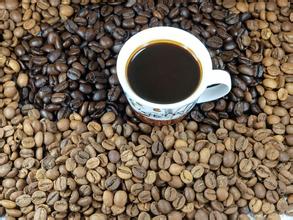
Flavor description of Ethiopian Coffee Manor introduction to the treatment methods of Grinding degree
In Ethiopia, the grading and quality control system of coffee is divided into three levels: producer, regional and national. All coffee is inspected by local inspection agencies before leaving the country of origin, and then re-tested at the coffee inspection and grading centers in Addis and Diredawa to determine its quality grade. Coffee is graded before auction and sale, for all involved in production, acquisition,
2016-09-30 Ethiopia Coffee Manor Flavor description Grinding handling methods
Vietnam's coffee exports increased sharply in the first half of the year.
It is reported that in May this year, Vietnam exported 154000 tons of coffee, with an export value of 336 million US dollars. In the first half of the year, Vietnam exported 966000 tons of coffee, an increase of 36.7 percent over the same period last year, and exports totaled US $1.96 billion, an increase of 29 percent over the same period last year. At present, the average export price of Vietnamese coffee is 2001 US dollars per ton. Germany and the United States remain the top two export markets for Vietnamese coffee, respectively.
2014-07-25 Coffee news Vietnamese coffee coffee export
Introduction to the characteristics of High-quality Coffee beans in Coffee Variety producing areas of Cochell Manor, Ethiopia
Ethiopia's coffee grading and quality control system has two main indicators: visual inspection and cup evaluation, including the color, cleanliness, origin, taste and characteristics of coffee beans. The export rating is marked by simple numbers, with the best washed coffee at level 5 and the best sun-cured coffee at level 4. After grading, mark the place of origin and then export. Usually the export is paid by letter of credit.
2016-09-24 Ethiopia Obi subdivision Cher Manor Coffee Variety producing area Fine goods Coffee beans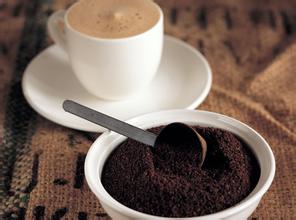
History of coffee in Rwanda
The Rwandans of origin have been growing coffee since colonial times, but until 1999, its products were still classified as below Class C and were not popular in the global market. The reason for the poor quality is that farmers do not have a fixed procedure for washing coffee beans and do not process coffee fruits according to specifications in time. Buyers buy coffee beans at $0.33 per kilogram, and farmers rely on the meagre profits earned at low prices.
2016-05-31 Rwanda Coffee History Origin Human colonization Times from Open
Introduction to the characteristics of Ethiopian boutique coffee bean flavor and taste manor with suitable acidity
In Ethiopia, the grading and quality control system of coffee is divided into three levels: producer, regional and national. All coffee is inspected by local inspection agencies before leaving the country of origin, and then re-tested at the coffee inspection and grading centers in Addis and Diredawa to determine its quality grade. Coffee is graded before auction and sale, for all involved in production, acquisition,
2016-08-05 Acidity suitable Ethiopia boutique coffee beans flavor taste manor producing area
Introduction to the unique flavor description and taste characteristics of the Yega Shiffiwaka coffee producing area
In Ethiopia, the grading and quality control system of coffee is divided into three levels: producer, regional and national. All coffee is inspected by local inspection agencies before leaving the country of origin, and then re-tested at the coffee inspection and grading centers in Addis and Diredawa to determine its quality grade. Coffee is graded before auction and sale, for all involved in production, acquisition,
2016-09-27 Unique fragrant sun Yega Sheffield Wauka coffee producing area flavor description
Ethiopian Yega Sheffivoka Coffee Flavor Flavor Coffee introduction
In February 1977, Lieutenant Colonel Mengistu Haier Maryam (MENGISTU HAILE MARIAM) launched a military coup and served as Chairman of the interim military Administrative Council and head of State. In 1979, the Ethiopian Labor people's Party Organization Committee, dominated by soldiers, was established to implement an one-party system. In 1984, the Ethiopian Workers' Party was formed according to the Soviet Communist Party model. Mengistu, September 1987
2016-08-30 Ethiopia Yega Sheffield Waka Coffee Flavor Taste Manor boutique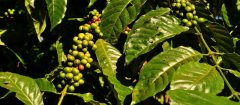
The export of Ethiopian coffee knows the main producing areas of Ethiopian coffee.
Coffee export coffee is Ethiopia's most important export cash crop and the main source of Ethiopia's foreign exchange earnings. Ethiopia's coffee exports account for about 3% of the world market, making it the eighth largest coffee exporter in the world. Coffee exports increased steadily from 58000 tons in 1990 to 110000 tons in 1995-1996 and remained at this level in the following years. two
2016-05-14 Ethel Searle Biya Coffee Export understanding main producing area
Ethiopian Coffee Flavor Flavor Manor introduces Ethiopian Coffee varieties
Washed coffee accounts for 35% of exports. Good quality washed coffee is processed with freshly picked fully ripe fruit, picked carefully and closely monitored by professionals. The picked clean coffee beans are pulped on the day of picking, then fermented, washed, dried and peeled. The humidity of processed coffee beans is kept at about 12%. Sun-cured coffee accounts for 65% of exports. Mainly by
2016-08-01 Ethiopia coffee flavor taste manor producing area introduction variety
Characteristics of coffee beans in Rwanda planting methods of coffee beans in Rwanda
Rwandans have been growing coffee since colonial times, but until 1999, its products were still classified as below Class C and were not popular in the global market. The reason for the poor quality is that farmers do not have a fixed procedure for washing coffee beans and do not process coffee fruits according to specifications in time. Buyers buy coffee beans at $0.33 per kilogram, and farmers keep warm by the meagre profits earned at low prices.
2016-05-08 Rwanda coffee beans characteristics cultivation methods people colonization times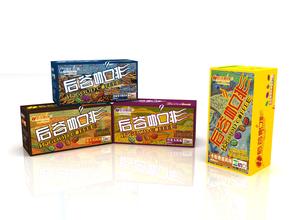
Hougu Coffee latest Coffee Brand Culture introduction Hougu Group Honor
Hougu Coffee is the first local coffee brand in China. in addition, there are no other large-scale brands in China. Relying on the huge domestic consumer market and development potential, Hougu Coffee has good market development conditions. The honor of Hougu also develops with the development of the times. 1999 re-contract, trustworthy enterprises 2001 Yunnan Agricultural Science and Technology Promotion Award 2002 South Asia
2015-12-20 Coffee Group latest Brand Culture introduction Honor China the first
Coffee Competition History of the International Barista (barista) Competition
In 2000, a group of dedicated people gathered in Monte Carlo to present the first competition of WBC (World Barista Competition). Their vision creates a competition platform for the best baristas from all over the world. Twelve contestants from different countries took part in the final, and Norway's ROBERT THORESEN won the championship. The event will be moved at 2001.
2015-01-22 Coffee Competition International Rista History 2000 Carlo a group
Boutique coffee Rwanda coffee origin Rwanda coffee practice
Rwandans have been growing coffee since colonial times, but until 1999, its products were still classified as below Class C and were not popular in the global market. The reason for the poor quality is that farmers do not have a fixed procedure for washing coffee beans and do not process coffee fruits according to specifications in time. Buyers buy coffee beans at $0.33 per kilogram, and farmers keep warm by the meagre profits earned at low prices.
2016-05-15 Boutique Coffee Rwanda Origin practice Renzi colonization Times
Fine coffee Rwanda Coffee characteristics introduction to Rwanda Coffee
Rwandans have been growing coffee since colonial times, but until 1999, its products were still classified as below Class C and were not popular in the global market. The reason for the poor quality is that farmers do not have a fixed procedure for washing coffee beans and do not process coffee fruits according to specifications in time. Buyers buy coffee beans at $0.33 per kilogram, and farmers keep warm by the meagre profits earned at low prices.
2016-05-15 Boutique coffee Rwanda characteristics introduction Renzi colonization times from
Fine coffee Rwanda coffee manor Rwanda coffee producing area
Rwandans have been growing coffee since colonial times, but until 1999, its products were still classified as below Class C and were not popular in the global market. The reason for the poor quality is that farmers do not have a fixed procedure for washing coffee beans and do not process coffee fruits according to specifications in time. Buyers buy coffee beans at $0.33 per kilogram, and farmers keep warm by the meagre profits earned at low prices.
2016-05-15 Boutique Coffee Rwanda Manor producing area Renzi colonization Times since
Vietnam, the second largest coffee exporter in the world
Almost all of the world's robusta coffee beans (Robustabean), which are often used to make instant coffee and high-end coffee blends, are exported from Vietnam. Vietnam is the world's second largest exporter of coffee, surpassing Colombia and second only to Brazil. Vietnam has a long history of coffee production, but the development and expansion of its production scale began in the last 20 years. Experiencing
2015-04-02 Vietnam the second largest in the world coffee exporter the world often used production speed
Boutique coffee Rwanda coffee flavor red apple, cherry, cinnamon, honey
Rwandans have been growing coffee since colonial times, but until 1999, its products were still classified as below Class C and were not popular in the global market. The reason for the poor quality is that farmers do not have a fixed procedure for washing coffee beans and do not process coffee fruits according to specifications in time. Buyers buy coffee beans at $0.33 per kilogram, and farmers keep warm by the meagre profits earned at low prices.
2016-05-15 Boutique coffee Rwanda flavor red apple cherry cinnamon honey