“1950” search results (1709)

Introduction of boutique coffee beans Pacamara coffee
Pacamara coffee is a hybrid of Pacas Pacas (a sudden variant of the bourbon species) and giant bean Maragogype (a sudden variant of the Tibica species found in Brazil) found in El Salvador in the 1950s. The coffee tree is very tall, the branch spacing of the trunk is wider than that of Pacas Pacas, and the edge of dark green leaves is wavy. It is suitable for cultivation at the elevation of 900m to 1500m.
2015-05-14 Boutique Coffee beans introduction Parka Mara Coffee 19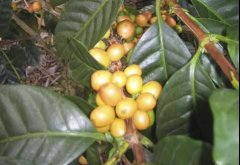
Coffee variety: Pacama (Pacamara)
Pacamara coffee is a hybrid of Pacas Pacas (a sudden variant of the bourbon species) and giant bean Maragogype (a sudden variant of the Tibica species found in Brazil) found in El Salvador in the 1950s. The coffee tree is very tall, the branch spacing of the trunk is wider than that of Pacas Pacas, and the edge of dark green leaves is wavy. It is suitable for cultivation at the elevation of 900m to 1500m.
2015-06-04 Coffee varieties Parka Mara Pacamara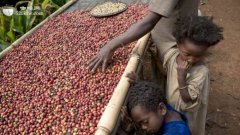
Coffee producing country Bolivia boutique coffee bean producing country
In the past, coffee trees in Bolivia used to act as hedges and ornaments around the garden. Real commercial production began in the early 1950s. The great frost of 1957 seriously damaged Brazil's coffee industry, while Bolivia (Bolivia) benefited from it and developed rapidly. Bolivian coffee is grown at an altitude of 180,670 meters above sea level, including Allah.
2015-07-30 Coffee origin Bolivia boutique coffee beans producing country past
Global Coffee producing area-Bolivian Coffee Market
In the past, coffee trees in Bolivia used to act as hedges and ornaments around the garden. Real commercial production began in the early 1950s. The coffee industry in Brazil was seriously damaged by the great frost in 1975, while Bolivia (Bolivia) benefited from it and developed rapidly. The origin of Bolivian coffee: Bolivian coffee at an altitude of 180 Muhami 670 meters.
2015-08-24 Global coffee origin Bolivia market past tree often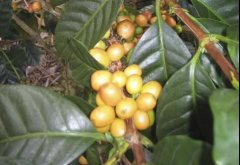
Boutique Coffee Common sense Coffee Variety introduction Pakamara (Pacamara)
Pacamara coffee is a hybrid of Pacas Pacas (a sudden variant of the bourbon species) and giant bean Maragogype (a sudden variant of the Tibica species found in Brazil) found in El Salvador in the 1950s. The coffee tree is very tall, the branch spacing of the trunk is wider than that of Pacas Pacas, and the edge of dark green leaves is wavy. It is suitable for cultivation at the elevation of 900m to 1500m.
2015-09-15 Boutique coffee common sense variety introduction Paka Mara Pacamara
Record of roasting Panamanian coffee beans in oven
Today baked some Panama, 36 grams of beans, 29 grams of beans out of the baking time process: dehydration: 1-6 = 150 (close the throttle) 6-11: 150 (open throttle) heating: 11-1430 1510-1630-170 1950-180 (with a small sound of skin explosion) 2030: 185 2135 = (sporadic burst) 2313 = (bean) fan cooling phase: beans out of oil, full, no wrinkles
2015-09-15 Oven baking Panama coffee beans record today some beans
Bolivian coffee trees are often planted around gardens as hedges
Coffee trees used to be planted around gardens as hedges and ornamental plants in Bolivia. Real commercial production began in the early 1950s. Brazil's coffee industry was badly damaged by the 1957 frost, but Bolivia benefited from it and thrived. Bolivian coffee is grown at an altitude of 180 to 670 meters, of which Arabian coffee is grown at an altitude of 180 to 670 meters.
2015-10-06 Bolivia coffee trees often planted in garden around act as hedge past glass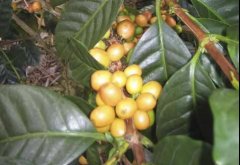
Introduction of coffee bean variety introduction of Pacamara (Pacamara)
Pacamara coffee is a hybrid of Pacas Pacas (a sudden variant of the bourbon species) and giant bean Maragogype (a sudden variant of the Tibica species found in Brazil) found in El Salvador in the 1950s. The coffee tree is very tall, the branch spacing of the trunk is wider than that of Pacas Pacas, and the edge of dark green leaves is wavy. It is suitable for cultivation at the elevation of 900m to 1500m.
2015-10-14 Coffee beans varieties introductions Parka Mara Pacamara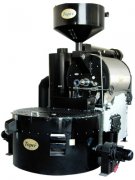
Toper 60kg coffee roaster (gas) TKM-SX 60 Gas
Single production: 60kg raw coffee bean roasting time: 10 minutes-shallow roasting, 15 minutes-deep roasting quantity: 360kg/ hours = shallow roasting, 240kg/ hours = deep roasting methods: heat conduction equipment, semi-hot air (semi-direct fire), hot air burning body: barreled gas, natural gas ruler inch: long 400cmX wide 305cmX high 305cm weight: 1950kg voltage
2015-10-27 Toper 60kg coffee roaster gas TKM-SX Ga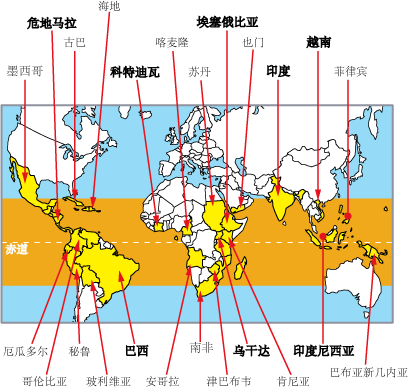
Coffee producing area 53 coffee producing areas worldwide Bolivian coffee producing area Bolivia coffee
Bolivia from serving as a garden hedge to coffee grown exclusively on a manor. In the past, Bolivian coffee trees used to act as hedges around the garden, decorating flowers and trees. Real commercial production began in the early 1950s. The coffee industry in Brazil was badly damaged by the great frost in 1957, while Bolivia (Bolivia) benefited and developed rapidly. Glass
2016-03-23 Coffee origin global 53 Bolivia act as garden tree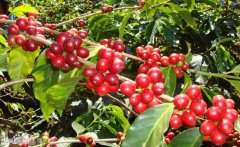
China Yunnan coffee domestic coffee Yunnan coffee flavor China Coffee Network
Yunnan coffee was planted on a large scale in the mid-1950s, with a planting scale of 4000 hectares at one time. By the end of 1997, the planting area of coffee in the province had reached 7800 hectares. At present, the planting area of the province accounts for 70% of the national area, and the output accounts for 83% of the whole country. Yunnan coffee has established the dominant position in China in terms of planting area and coffee bean production.
2016-04-15 China Yunnan coffee domestic flavor large-scale planting is in
Pacamara Pacamara (Pacamara) varieties introduce boutique coffee geisha coffee
Pacamara coffee is a hybrid of Pacas Pacas (a sudden variant of the bourbon species) and giant bean Maragogype (a sudden variant of the Tibica species found in Brazil) found in El Salvador in the 1950s. The coffee tree is very tall, the branch spacing of the trunk is wider than that of Pacas Pacas, and the edge of dark green leaves is wavy. It is suitable for cultivation at the elevation of 900m to 1500m.
2016-04-18 Pacamara Paka Mala breed introduction
New Oriental Guatemala Coffee beans Guatemalan Coffee
New Oriental coffee in this area has been grown entirely by small farmers since the 1950s, and now every farmer in the mountains is a coffee production unit. This area, once the most remote and poorest part of Guatemala, is now alive and well. Rainy and cloudy, the ancient era of the New Oriental is a volcanic area, soil volcanic metamorphic rocks evolved, rich in minerals and nutrients.
2016-04-27 New Oriental Guatemala coffee beans flavor coffee this region
Cafe Tomaselli Austria Cafe, the old coffee shop that is still in business.
Cafe Tomaselli was born in 1703 in the old market in Salzburg, Austria. Salzburg is the hometown of Mozart. Mozart likes to order Einspanner (black coffee with cream and tall glasses) in this coffee shop. After World War II, the coffee shop was changed into a doughnut shop, which caused great dissatisfaction among the citizens. After returning to the Austrians in 1950, it was restored to the old days.
2016-05-04 Those still in business antiquity coffee shops Cafe Tomaselli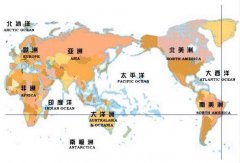
Grow high-quality Bolivian coffee beans at high altitude
In the past, coffee trees in Bolivia used to act as hedges and ornaments around the garden. Real commercial production began in the early 1950s. The coffee industry in Brazil was badly damaged by the great frost in 1957, while Bolivia (Bolivia) benefited and developed rapidly. Bolivian coffee is grown at an altitude of 180,670 meters above sea level, including Allah.
2016-05-08 Altitude altitude cultivation Bolivia boutique coffee beans past coffee
Coffee beans grown by small farmers in New Oriental, Guatemala
New Oriental (New Oriente): coffee in this area has been grown entirely by small farmers since the 1950s, and now every farmer in the mountains is a coffee production unit. This area, once the most remote and poorest part of Guatemala, is now alive and well. Rainy and cloudy, the ancient era of the New Oriental was a volcanic area, and the soil volcanic metamorphic rocks evolved.
2016-05-09 Guatemala New Oriental small farmers planting coffee beans New Ori
New Oriental Coffee growing area Guatemala Fine Coffee
New Oriental coffee in this area has been grown entirely by small farmers since the 1950s, and now every farmer in the mountains is a coffee production unit. This area, once the most remote and poorest part of Guatemala, is now alive and well. Rainy and cloudy, the ancient era of the New Oriental is a volcanic area, soil volcanic metamorphic rocks evolved, rich in minerals and nutrients.
2016-05-16 New Oriental Coffee cultivation Origin Guatemala boutique this region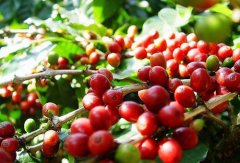
Bolivian boutique coffee
Bolivia in the past coffee trees in Bolivia used to act as hedges and ornaments around the garden. Real commercial production began in the early 1950s. The coffee industry in Brazil was badly damaged by the great frost in 1957, while Bolivia (Bolivia) benefited and developed rapidly. Bolivian coffee is grown at an altitude of 180,670 meters above sea level.
2016-05-17 Bolivia boutique coffee single product in the past tree often planted in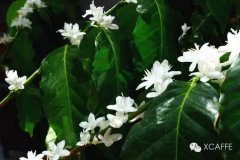
Bolivian boutique coffee Bolivian coffee cultivation
In the past, coffee trees in Bolivia used to act as hedges and ornaments around the garden. Real commercial production began in the early 1950s. The coffee industry in Brazil was badly damaged by the great frost in 1957, while Bolivia (Bolivia) benefited and developed rapidly. Bolivian coffee is grown at an altitude of 180,670 meters above sea level, including Allah.
2016-05-18 Bolivia boutique coffee planting in the past tree often planted in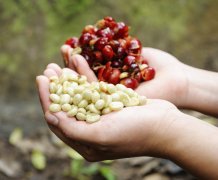
Bolivian coffee boutique coffee black coffee
Coffee trees that go to Bolivia are often planted around the garden as hedges, decorating flowers and trees. Real commercial production began in the early 1950s. The coffee industry in Brazil was badly damaged by the great frost in 1957, while Bolivia (Bolivia) benefited and developed rapidly. Bolivian coffee is grown at an altitude of 180,670 meters above sea level.
2016-05-19 Bolivia coffee boutique trees planted in garden around