“13 Species” search results (500)

The basic knowledge of Coffee beans Coffee beans are the three native species of coffee
Coffee belongs to the evergreen shrub of the genus Rubiaceae, which is centered in the tropics. There are about 6000 species of Rubiaceae belonging to 500 genera. Coffee has always been thought to have certain effects, such as strengthening the stomach, waking up the brain, stopping bleeding, dissipating heat, strengthening the body, and so on. The more famous Rubiaceae plant is Gardenia jasminoides, whose fruit was dried and used as medicinal material a long time ago. The three native species of coffee
2015-04-13 Coffee beans basic knowledge coffee three native belong to grass family evergreen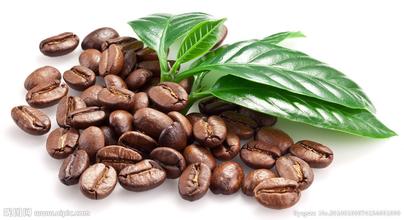
Coffee bean production methods coffee bean grade planning coffee bean species
Legend has it that Shek, the chief expelled by his people for crime, was deported from the mountains of Yemen in 1258. Omar, who was exiled to the remote city of Vasaba (in Arabia), when he was walking exhausted on the mountain, he found the birds on the branches making a very sweet cry after pecking at the fruit of the tree. So he boiled the fruit with water, only to send out a rich temptation.
2016-05-24 Coffee beans production methods grades plans types legends AD 1258
Fine Coffee-Yunnan small Coffee
Yunnan is the main coffee bean producing area in China. Yunnan is located in the subtropical mountain climate zone south of the Tropic of Cancer, with unique plateau red soil, fertile and loose soil and mild climate, which is especially suitable for growing small-grain coffee. Yunnan coffee was first introduced by French missionaries in 1902. Up to now, there are still 24 coffee trees with more than 90 years old in Zhukula Township, Binchuan County. Rui Lijing, 1914
2014-09-13 Fine coffee Yunnan small grain coffee
Galapagos Coffee Manor introduces Hassenda Coffee Garden
All of these birds are descended from common ancient strains that occasionally fly here from South America. They have found a lot of idle and habitable ecological environment throughout the archipelago and deepened to be large in size.
2016-06-17 Lapa Goss Coffee Manor introduction Hasenda Coffee Garden
Planting Environment of Coffee species in Colombia
Species Morphology Editing Colombian Coffee Plant Morphology Colombian Coffee Plant Morphology (10 pieces) Colombian coffee is mainly small grain coffee. Plants are small trees or large shrubs, 5-8 m tall, usually much branched at base; old branches gray-white, nodes dilated, young branches glabrous, compressed. Leaves thinly leathery, ovate-lanceolate or lanceolate, 6-14 cm long, 3.5-5 cm wide, apex
2016-06-02 Columbia Coffee species form planting Environment Editor Brother
Colombia coffee history trace species morphology
The history of coffee cultivation in Colombia can be traced back to the Spanish colonial era in the 16th century. There are also many sayings about the history of coffee in Colombia: First, it is said that it came from the Caribbean island of Haiti via Salvador in Central America. Second, coffee beans were first introduced into Colombia in 1808 by a priest from the French Antilles via Venezuela. one of
2016-05-29 Colombia Coffee History Origin Species Form Cultivation
Introduction to the taste of high-quality coffee beans in El Salvador Himalayan coffee producing areas
In El Salvador, the coffee beans rich in the Kuskabapa region are the best, slightly lighter, fragrant, pure and slightly sour. Like Guatemala and Costa Rica, coffee in El Salvador is graded according to altitude, and the higher the altitude, the better the coffee. The best brand is Pip, whose quality has been recognized by the American Organic Certification Society. In addition
2016-09-29 El Salvador Himalayas coffee flavor variety producing area characteristics boutique
13 World Famous Coffee Beans
Kopi Luwak is a recently invented coffee produced in Indonesia. Coffee beans are one of the food range of civets, but coffee beans cannot be completely digested by the digestive system. Coffee beans are fermented in the civets 'intestines and excreted through feces. Locals take coffee beans from civets' feces and then process them. This is called cat feces coffee. This coffee taste
2015-03-12 Boutique Coffee Bean 13 Species World Famous Musk Coffee Kopi Lu
Introduction of Coffee Bean Origin and Variety Coffee Bean species and comparison
The history of coffee cultivation in Colombia can be traced back to the Spanish colonial era in the 16th century, and there are many theories about the history of coffee in Colombia: one: it is said to come from the island of Haiti in the Caribbean and from El Salvador in Central America. Second: in 1808, a priest introduced coffee beans to Colombia for the first time from the French Antilles via Venezuela. One of them
2016-05-25 Coffee beans origin variety introduction type comparison Colombia cultivation coffee
Color, specification, summary and introduction of coffee beans
Coffee beans-Overview Coffee beans Coffee beans small round dark brown coffee beans, quietly emitting a fragrant fragrance in the grinder, injected into the cup showing the beautiful color of amber, these are the three impressions that ordinary people have on coffee. As you explore the history and beauty of coffee, you can also see the green leaves twinkling when caressed by the tropical sun.
2016-06-03 Coffee beans color specification summary introduction
Characteristics, Origin, History and species Morphology of Colombian Coffee beans
History tracing Editor Colombian Coffee Brand Colombian Coffee Brand (9) the history of coffee cultivation in Colombia can be traced back to the Spanish colonial era in the 16th century. there are also many theories about the history of coffee in Colombia: one: it is said to have come from the island of the Caribbean and by sea through El Salvador in Central America. Second: in 1808, a priest obeyed the law.
2016-06-03 Columbia coffee beans characteristics origin history species morphology traceability
The species of Ruvuma AAA wave in Tanzania
When it comes to Tanzanian coffee, it seems to talk about him, coffee gluttons always compare him to his high-quality neighbor Kenya, for better or worse, Kenya always seems to be a frame of reference for Tanzania.
2014-07-03 Coffee knowledge Tanzania Coffee Encyclopedia
El Salvador Coffee Manor introduces the characteristics of El Salvador Coffee Mercedes Manor
A brief History of Coffee production in 1742, coffee was introduced to El Salvador from the Caribbean (1740). In the mid-19th century, El Salvador's original export pillar Indigo (one of the dyes) received a gradual decline in the development of synthetic dyes in Europe, and coffee gradually became the main export product under the guidance of the government. In 1856, the first 693 bags of coffee beans were shipped to Europe. all long
2016-07-26 El Salvador Coffee Manor introduction characteristics Mercer des
Species Morphology and Variety Grade History of Colombian Coffee
The main varieties of Colombian coffee are small grains of coffee. Plants are small trees or large shrubs, 5-8 m tall, usually much branched at base; old branches gray-white, nodes dilated, young branches glabrous, compressed. Leaves thinly leathery, ovate-lanceolate or lanceolate, 6-14 cm long and 3.5-5 cm wide, tip long acuminate, acuminate part 10-15 mm long, base cuneate or slightly obtuse, rarely rounded, entire or
2016-05-29 Columbia Coffee species Morphology Variety Grade History Colombia
Arabica coffee species Costa Rican coffee beans characteristics balanced flavor coffee
Costa Rican coffee is characterized by full granules, ideal acidity and unique strong flavor. Costa Rica's coffee industry, originally controlled by the Costa Rican Coffee Industry Company (InstitutodelCafdeCostaRica, ICAFE), has been taken over by the official Coffee Committee (OficinadelCaf). Among the coffee exported, those are considered to be of substandard quality
2016-04-28 Rabbi coffee Costa Rica coffee beans characteristics balance flavor editing
The practice of the champion and runner-up in the Chinese finals of the 2016 Philharmonic Competition
The finals of the 2016 World Philharmonic Competition ended on December 13, 2015 in Yintai City, Ningbo, and the champion and second runner-up came into being. Champion: Xu Yifan (Chengdu 2Roaster coffee dessert) practice parameters: coffee beans: Yega snow coffee sun Chelba G1 baking degree: shallow baking bean grinder variety and model: small Fuji scale: 5.5powder quantity:
2016-05-06 2016 Philharmonic contest China finals champion and runner-up runner-up practice go to
Introduction to boutique coffee with full aroma and taste characteristics of Bolivian snow vein manor
It formed a federation with Peru in 1836 and collapsed as a result of the Chilean invasion in 1839. In 1863, rich saltpetre deposits were discovered in Atacama province along the Pacific coast. In 1879, Chile sent troops to occupy the mining area, and Bolivia joined forces with Peru to wage the Pacific War with Chile. Bolivia was defeated in 1883 and ceded the saltpeter-rich Pacific coast to Chile, Bolivia in 1904.
2016-08-24 Aroma full Bolivia snow vein manor coffee flavor taste characteristics essence
Characteristics of coffee beans in Salvadoran coffee producing areas
The current situation of coffee production is a natural and man-made disaster, which is a perfect description of the challenges facing the coffee industry in El Salvador. Despite getting rid of the haze of war, El Salvador's coffee production still faces challenges from time to time, including: 1998, hurricanes; 2001, earthquakes; 2002, volcanic eruptions; 2012, leaf rust
2016-07-16 El Salvador Red Wave Coffee Flavor producing area Coffee beans characteristics
Planting Environment and species Morphology of Colombian Coffee
The pure taste of Colombian coffee comes from Colombia's natural environment with the most favorable conditions for coffee growth. But beyond that, it is inseparable from the hard work of local growers. In Colombia, coffee cultivation has reached 1.07 million hectares, there are about 302000 coffee plantations in the country, and 30 to 40 per cent of the rural population depends directly on coffee production. Columby
2016-06-12 Colombia Coffee planting Environment species Morphology Pure
El Salvador Coffee Flavor Taste Manor characteristics of Mercedes Manor
In 1742, coffee was introduced to El Salvador from the Caribbean (1740). In the mid-19th century, El Salvador's original export pillar Indigo (one of the dyes) received a gradual decline in the development of synthetic dyes in Europe, and coffee gradually became the main export product under the guidance of the government. In 1856, the first 693 bags of coffee beans were shipped to Europe. Until the second World University.
2016-07-20 El Salvador coffee flavor taste manor producing area characteristics introduction Mesa de