“1.5cm” search results (300)

Environmental Requirements of Coffea arabica Cultivation in Yunnan Province
According to Yunnan's natural conditions, coffee planting areas should be selected in areas where the annual average temperature is greater than 18 degrees, the coldest monthly average temperature is greater than 11.5 degrees, the monthly average temperature is less than 13 degrees within two months, and the extreme minimum temperature is generally above zero. Arabica coffee is native to the Ethiopian tropical rain forest in northern Africa. The temperature is relatively low, with an average annual temperature of 20 degrees. Robusta coffee
2014-09-02 Coffee knowledge Yunnan coffee Arabica coffee cultivation environmental requirements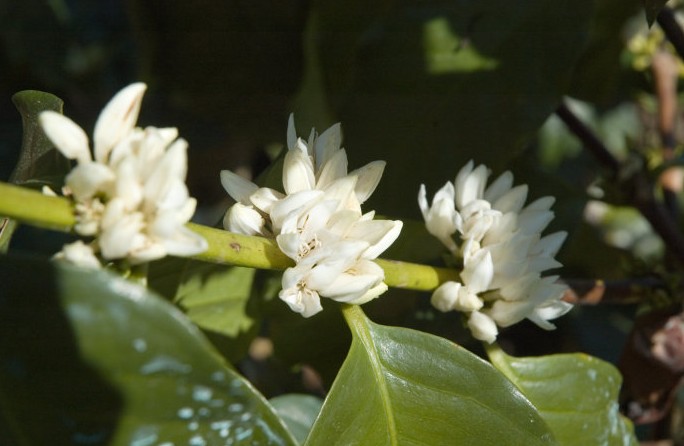
Key points of coffee knowledge: explore where the real coffee alcohol aroma comes from?
In a coffee obsession like mine, there is no smell comparable to the smell in the coffee field during the flowering period. The first flowering period of the coffee tree is about three years. The white flowers are five-petal tube-shaped flowers, with a faint fragrance of jasmine, and the inflorescences are arranged in dense clusters. It will wither after two or three days of flowering and begin to bear fruit after a few months. In Yunnan, this is the right time.
2015-12-21 Coffee knowledge main points discussion real fragrance in the end Lilai
Where do coffee beans usually come from?
[guide] the coffee we drink comes from the roasting and grinding of coffee beans, and all this is provided by magical coffee bars. The origin of this economic crop is in Yisuobi in Africa. It has been cultivated for more than 2000 years. At present, the main coffee producing areas in the world are Latin America, Africa and Africa. According to statistics, coffee is cultivated in 76 countries in the world, mainly from coffee.
2015-11-25 Coffee beans travel generally all how guide we coffee from coffee
Variety characteristics of Yunnan small seed Coffee Bean introduction to the planting conditions of Yunnan Coffee producing area
Small seed coffee is native to the lower part of the Ethiopian rainforest in northern Africa. The temperature is relatively low, with an average annual temperature of 20 degrees. The origin of medium-grain coffee is near the equator. Therefore, small seed coffee has stronger cold tolerance and wider adaptability than medium grain coffee. Medium-grain coffee requires a slightly higher temperature. First, the importance of temperature
2021-11-17 Yunnan small grains coffee planting environment requirements
General knowledge of Coffee planting Environmental requirements for the cultivation of small Coffee in Yunnan
Small seed coffee is native to the lower part of the Ethiopian rainforest in northern Africa. The temperature is relatively low, with an average annual temperature of 20 degrees. The origin of medium-grain coffee is near the equator. Therefore, small seed coffee has stronger cold tolerance and wider adaptability than medium grain coffee. Medium-grain coffee requires a slightly higher temperature. First, the requirement for temperature should be based on the natural conditions of Yunnan, and the suitable planting area of coffee should be selected.
2015-02-16 Coffee planting common sense Yunnan small grains environment requirements
Boutique coffee-travel with coffee beans
The coffee we drink comes from the roasting and grinding of coffee beans, and all this is provided by magical coffee bars. The origin of this economic crop is in Yisuobi in Africa. It has been cultivated for more than 2000 years. At present, the main coffee producing areas in the world are Latin America, Africa and Africa. According to statistics, coffee is cultivated in 76 countries in the world, mainly in Africa and the United States. Coffee in our country
2016-06-19 Boutique coffee follow coffee beans travel us roast
Cappuccino SCAE International Standard and solution-must-see by baristas
Cappuccino is a coffee drink invented by the Italians. Its structure is Italian concentrate (Espresso) + milk + milk foam. The traditional cappuccino practice is: the Italian concentrated / milk / milk foam ratio is 1:1:1, the coffee flavor is stronger, and the milk foam is rough and dry. SCAE (European boutique coffee association) cappuccino standard: 1. The cup capacity is 150-180ml in
2015-11-23 Cabo Chino SCAE International Standard solution Coffee Shibi
The requirements of coffee on the ecological environment in which grain coffee requires a slightly higher temperature.
Small seed coffee is native to the lower part of the Ethiopian rainforest in northern Africa. The temperature is relatively low, with an average annual temperature of 20 degrees. The origin of medium-grain coffee is near the equator. Therefore, small seed coffee has stronger cold tolerance and wider adaptability than medium grain coffee. Medium-grain coffee requires a slightly higher temperature. First, the requirement for temperature should be based on the natural conditions of Yunnan, and the suitable planting area of coffee should be selected.
2015-10-07 Coffee ecological environment requirements medium seed temperature high environment
Introduction to the Development History of cultivation and planting techniques for Coffee seedlings
Coffee planting technology introduces the origin of coffee trees in Ethiopia in Africa. In botany, coffee trees belong to the evergreen trees of the subgenus Rubiaceae, and coffee beans, commonly known as coffee beans, are the seeds of the fruit of coffee trees, just because they are shaped like beans, so they are called coffee beans. Climate is the decisive factor for coffee cultivation, and coffee trees are only suitable for growing in the tropics or subtropics.
2016-10-19 Coffee saplings how cultivation planting technology development history introduction coffee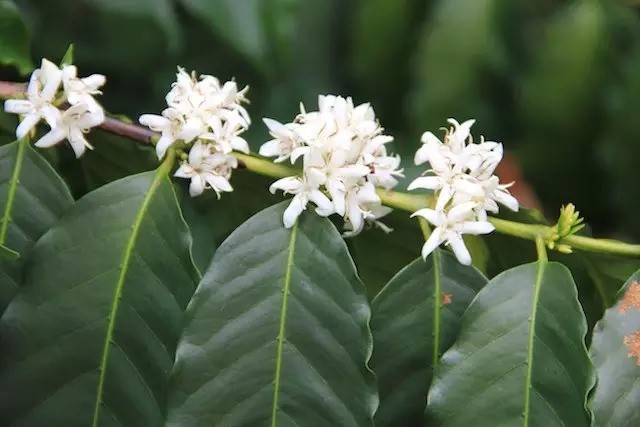
Coffee trees, raw coffee beans and ripe beans tell you what coffee is.
Now coffee has come into our lives, and all kinds of coffee shops are all over the streets. While we enjoy delicious coffee, do you know the origin of coffee? The planting conditions of coffee trees the origin of coffee trees is in Ethiopia, Africa. In botany, the coffee tree belongs to the evergreen tree of the coffee subgenus of Rubiaceae, and the so-called coffee bean is coffee.
2015-11-23 Coffee raw beans cooked beans tell after all what is now coffee has walked into
The morphological characteristics of coffee trees the geographical distribution of coffee trees
Coffee fruit Coffee Tree is a shrub or small tree of Rubiaceae; the leaves are opposite, leathery and long ovate; every March, the branches appear white flowers, petals spirally arranged, and the heart jumps around the petals. Take a closer look, it is really like a small windmill playing in childhood, emitting the fragrance of jasmine flowers; the fruit is oval, berry, crimson, hidden two
2016-05-29 Coffee morphological characteristics geographical distribution
Complete knowledge of coffee roasting
Coffee roasting (coffee roasting) refers to the heating of raw beans to convert starch in raw beans into sugars and acids at high temperature, cellulose and other substances will be carbonized to varying degrees, water and carbon dioxide will be volatilized, proteins will be converted into enzymes and fats, and the remaining substances will be combined to form an oil film on the surface of coffee beans, and in the process coffee acids will be formed.
2014-08-20 Coffee knowledge coffee roasting knowledge coffee encyclopedia
Varieties of coffee trees
1.5 Arabica coffee varieties improved Arabica coffee beans include traditional varieties that are very close to the original, as well as mutants or hybrids mated with Robusta. Coffee variety improvement is not only limited to the fight against diseases and insect pests, but also the pursuit of a steady stream of harvests. 1. The variety of Arabica coffee belongs to the evergreen shrub Ara of the genus Rubiaceae.
2014-07-04 Coffee knowledge coffee trees varieties coffee encyclopedia
The planting method of Coffee Tree the planting environment of coffee tree introduces what kind of environment is most suitable for growing coffee
Coffee fruit contains two seeds, namely coffee beans. The two beans are connected face to face with each other on one side of the plane. Each coffee bean has a thin outer film, which is called silver skin, and its outer layer is covered with a yellow outer skin, called endocarp. The whole coffee bean is wrapped in a sticky pulp to form coffee pulp, which is soft and sweet.
2016-07-11 Coffee planting way environment introduction what kind suitable coffee fruit contains
Coffee roasting technology A complete knowledge of coffee roasting machine
Coffee roasting (coffee roasting) means that through heating raw beans, starch in raw beans is converted into sugars and acids at high temperature, substances such as cellulose will be carbonized to varying degrees, water and carbon dioxide will be volatilized, proteins will be converted into enzymes and fats, and the remaining substances will be combined to form an oil film on the surface of coffee beans, and in the process coffee acids will be formed.
2015-01-08 Coffee roasting technology roaster knowledge Daquan coffee coffe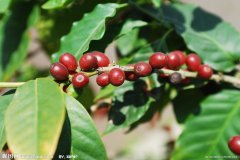
Coffee basic knowledge what conditions do you need to grow coffee?
Coffee is a perennial evergreen shrub or small tree of Rubiaceae. It is a horticultural perennial cash crop with the characteristics of fast growth, high yield, high value and wide market. Wild coffee trees can grow to a height of 5 to 10 meters, but coffee trees planted on the manor are often cut to a height of less than 2 meters in order to increase the amount of fruit and facilitate harvesting. The opposite leaves of coffee trees are long oval.
2015-06-21 Coffee basics common sense planting needs what conditions
Learn the basic concepts of coffee
1. What is coffee (scientific name: Coffea arabica), also known as coffee tree, Arabica coffee, etc., is the national flower of Yemen. Before the 6th century AD, Yemen was called Arabian, so the coffee trees shipped from them to other places were also called Arabian coffee trees. The name coffee comes from the Arabic Qahwah, which means plant drink. Later, coffee spread.
2014-08-05 Coffee knowledge coffee basic knowledge coffee concept
Introduction to the planting method of Coffee Tree what kind of natural environment is needed to grow coffee tree
Coffee tree is a shrub or small tree of Rubiaceae; leaves opposite, leathery, long ovate; every March, the branches will appear white flowers, petals spirally arranged, the heart of flowers jump around the petals, take a closer look, really like a small windmill playing in childhood, emitting bursts of jasmine fragrance; the fruit is oval, berries, crimson, containing two seeds, that is, we are familiar with coffee
2016-07-28 Coffee planting methods introduction need what natural environment
Introduction to the characteristics of seven major producing areas of manor flavor and taste in Kenyan coffee producing areas
This is the earliest classification of Kenyan coffee beans and is still in use in many parts of Brazil. The method of identification is to randomly take 300 grams of samples and put them on black paper, because black paper can best avoid reflection. Then, examined carefully by the professional appraiser, find out the defective beans in the sample, and accumulate different scores according to the types of defects. For example, one black bean counts as one point and one stone counts as one.
2016-10-21 Kenya coffee producing area manor flavor taste seven characteristics grinding treatment
Planting and harvesting of coffee trees
The first people to drink coffee lived in Ethiopia. A drink called "Buncham" was found in the Arab scientific literature of 900-1000 AD, but it is not certain that it is coffee.
2014-09-02 Coffee knowledge coffee tree planting coffee tree picking