“classify” search results (2967)
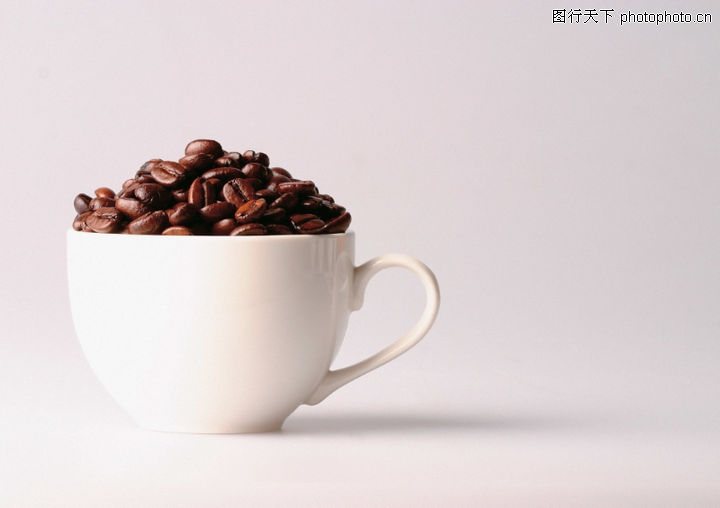
Classification and causes of defective beans in SCAA Coffee SCAA level: Italian mixed beans with secondary defects
CAA level: whole sour bean is a first-level defect; one whole sour bean = a complete defect name: local sour bean SCAA level: local sour bean is a secondary defect; less than half of a bean is sour bean, 3 beans = 1 complete defect cause: agriculture and treatment. Sour beans are caused by fermentation, and they are contaminated by microorganisms in many places in the process of harvest and treatment.
2016-07-14 SCAA Coffee defects Category cause Grade II Italian blending
Guatemalan coffee flavor is classified according to the grade of Guatemala.
Guatemala Cupping (Simon) 2015-07-29 17:49 coffee, the second largest commodity in the world after oil in trade. Arabica accounts for about 70% of the world coffee production, and about 10% of these 70% Arabica receive refined coffee called Specialty Coffee boutique coffee.
2016-05-10 Guatemala Grade Division Coffee Flavor Cu
Boutique coffee is classified according to sieve grade.
The way of grading according to the screen is the method of grading according to the size of raw coffee beans. Raw beans are graded by determining the size of the beans through a holed iron plate sieve. The size of the hole in the screen is 1x64 inches (less than 0.4mm), so the size of the screen indicates that there are several screens with a size of 64 inches. For example, the size of the screen size 17 is 17thumb 64 inches, which is about 6.75mm, so the screen
2016-05-16 Boutique coffee sieve grading classification way is according to
How to classify drip coffee machines?
Coffee machines are classified into many types, including semi-automatic coffee machine, fully automatic coffee machine, single-head coffee machine, double-head coffee machine, and so on, so is the drip coffee machine, which can be divided into Japanese-style, American-style and Italian-style coffee machines. here, the author will give you a brief introduction to these three machines.
2014-06-09 Coffee products drip coffee machine coffee machine classification
How to classify coffee beans? how to identify coffee beans?
Java coffee: Origin: Sumatra, Indonesia. It belongs to Arabica. After baking, the bitter taste is extremely strong and the aroma is very light, without sour taste. Conna Coffee: Origin: Connor area, Hawaii. The coffee beans cultivated by volcanic lava have a slightly wine aroma and a very unique flavor. Santos Coffee: mainly produces Brazil, Sao Paulo. Sweet, sour and bitter are neutral and moderately sour
2016-05-26 Coffee beans how classify should identify Java coffee origin Indonesia Sumen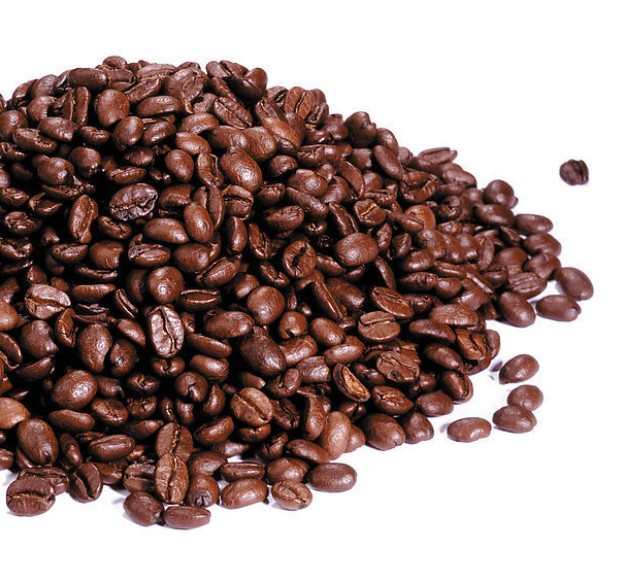
The grades of Indian coffee beans in Asia are classified as A, B, C and T
There are several reasons why Indian coffee is so popular in coffee hobbies, but the most important one is a process used in coffee beans, often called the monsooning process. In the past, passengers or cargo sailed to and from India, which took months to reach Europe. In transit, due to the high air humidity, the smell of raw coffee beans
2015-12-31 Asia producing areas India coffee beans grades grades and categories coffee
The best Indian coffee is also classified as Arabian plantation coffee, and the best is A, B, C
India's slippery, even-grained coffee. There are several reasons why Indian coffee is so popular with coffee hobbies, but the most important is a process used in coffee beans, often called the monsooning process. In the past, passengers or goods sailed to and from India, which took about several months to reach Europe. On the way to transport
2016-04-11 Okay India coffee classified as Arab plantation first class.
Common coffee beans are classified by taste.
Sour taste: mocha, Hawaiian sour coffee, Mexico, Guatemala, Costa Rica high real estate, Gillimanjaro, Colombia, Zimbabwe, El Salvador, Western Hemisphere washable high-grade new beans. Bitter: all kinds of old beans from Java, Mantenin, Bogota, Angola, Congo, Uganda. Sweetness: Colombian Maitenin, Venezuelan old beans, Blue Mountain, Kyrgyzstan
2014-08-19 Coffee knowledge coffee bean taste coffee bean classification
Knowledge of fine coffee, how to classify raw coffee beans
Level 1: special product defects: 0-5 do not allow to contain obvious defects total sample weight: 300 grams sample size difference: less than 5% 5% or so, or within the specified range of appreciation features: must be at least a little outstanding in the following characteristics: taste, sour taste, taste, aroma. The characteristics will be determined by both the buyer and the seller. After cup testing and appreciation, there are no defects. Baking difference
2014-09-03 Coffee knowledge coffee bean classification
Common coffee beans are classified by taste COFFEE BEAN
Sour taste: mocha, Hawaiian sour coffee, Mexico, Guatemala, Costa Rica high real estate, Gillimanjaro, Colombia, Zimbabwe, El Salvador, Western Hemisphere washable high-grade new beans. Bitter: all kinds of old beans from Java, Mantenin, Bogota, Angola, Congo, Uganda. Sweetness: Colombian Maitenin, Venezuelan old beans, Blue Mountain, Kyrgyzstan
2015-01-23 Common coffee beans taste classification COFFEE BEAN sour mocha
Common coffee beans are classified by taste COFFEE BEAN
Sour taste: mocha, Hawaiian sour coffee, Mexico, Guatemala, Costa Rica high real estate, Gillimanjaro, Colombia, Zimbabwe, El Salvador, Western Hemisphere washable high-grade new beans. Bitter: all kinds of old beans from Java, Mantenin, Bogota, Angola, Congo, Uganda. Sweetness: Colombian Maitenin, Venezuelan old beans, Blue Mountain, Kyrgyzstan
2016-04-26 Common coffee beans taste classification COFFEE BEAN sour mocha
How should coffee be classified?
What is the coffee currently produced by MOCHA? Is Takashi dizzy? What? Ligularia martingale? It's a mocha. Mocha coffee? Especially sweet, sour, bitter? Ya, huh? Ligularia, huh? What do people like? What? Good varieties, ordinary? Grain vendor N? Use,? ??? Slippery and delicious, mellow taste for a long time, if mixed with coffee, it is an ideal variety. Mocha originally refers to the Arab port of Mocha.
2016-06-06 Coffee should how classification mocha MOCHA at present Simon raw
How to classify coffee beans introduction to Indonesian coffee
Dominican Republic: Barahona (Barahona) El Salvador, Pipil, Parkmara (Pacamara) Tanzania: Kilimanjaro (Kilimanjaro) Puerto Rico: Yauco Selecto, Grand La Reyuco Coffee (Grand Lares Yauco) Colombia: Armenia Supremo, Narin
2016-06-06 Coffee beans should how classification Indonesia coffee introduction Dominica
Boutique coffee-common coffee beans are classified by taste COFFEE BEAN
Sour taste: mocha, Hawaiian sour coffee, Mexico, Guatemala, Costa Rica high real estate, Gillimanjaro, Colombia, Zimbabwe, El Salvador, Western Hemisphere washable high-grade new beans. Bitter: all kinds of old beans from Java, Mantenin, Bogota, Angola, Congo, Uganda. Sweetness: Colombian Maitenin, Venezuelan old beans, Blue Mountain, Kyrgyzstan
2016-07-04 Boutique Coffee Common Coffee beans Taste Classification COFFEE BEAN
Common coffee beans are classified according to taste, sour, bitter, sweet and mellow.
Sour taste: mocha, Hawaiian sour coffee, Mexico, Guatemala, Costa Rica high real estate, Gillimanjaro, Colombia, Zimbabwe, El Salvador, Western Hemisphere washable high-grade new beans. Bitter: all kinds of old beans from Java, Mantenin, Bogota, Angola, Congo, Uganda. Sweetness: Colombian Maitenin, Venezuelan old beans, Blue Mountain, Kyrgyzstan
2015-10-24 Common coffee beans taste classification sour mellow mocha Hawaii coffee
Explanation on how to classify high-quality coffee and raw beans
Level 1: special product defects: 0-5 do not allow to contain obvious defects total sample weight: 300 grams sample size difference: less than 5% 5% or so, or within the specified range of appreciation features: must be at least a little outstanding in the following characteristics: taste, sour taste, taste, aroma. The characteristics will be determined by both the buyer and the seller. After cup testing and appreciation, there are no defects. Baking difference
2014-09-10 Coffee knowledge coffee bean grading coffee raw beans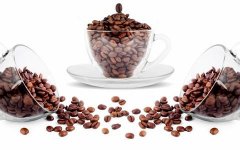
Common coffee beans are classified according to their sense of taste. Sweet and sour coffee flavor.
Sour taste: mocha, Hawaiian sour coffee, Mexico, Guatemala, Costa Rica high real estate, Gillimanjaro, Colombia, Zimbabwe, El Salvador, Western Hemisphere washable high-grade new beans. Bitter: all kinds of old beans from Java, Mantenin, Bogota, Angola, Congo, Uganda. Sweetness: Colombian Maitenin, Venezuelan old beans, Blue Mountain, Kyrgyzstan
2015-04-11 Common coffee beans taste classification sour mellow coffee flavor mocha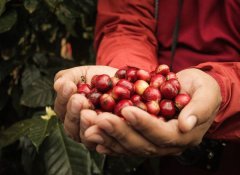
Kenyan coffee beans graded boutique coffee beans classified Kenyan coffee flavor
According to botanists in SL laboratory, SL28 and SL34 are genetic variants. Among them, SL28 has a mixed pedigree of French missionaries, mochas and Yemens Tibica. The goal of cultivating SL28 was to mass produce coffee beans with high quality and resistance to diseases and insect pests. Although the later production of SL28 was not as large as expected, copper leaves and broad bean-shaped beans were very popular.
2016-05-07 Kenya coffee beans grading boutique coffee flavor according to
Knowledge of boutique coffee beans is classified according to taste.
The so-called taste characteristics refers to the personality of all kinds of coffee beans in the style of the coffee beans after being roasted most appropriately. Taste classification of coffee beans: sour mocha, Hawaiian sour coffee, Mexico, Guatemala, Costa rica Highlands, Gilimanjaro, Colombia, Zimbabwe, El Salvador, Western Hemisphere washable premium new beans
2015-01-26 Boutique coffee beans knowledge taste classification the so-called taste characteristics refers to all kinds of
Coffee beans are classified as coffee semi-washed
Coffee was the first product to be labeled Fair Trade, and coffee farmers got a real benefit from it. Chilean FLO compliant producers sold coffee beans last year for $1.26 a pound, compared with 47.35 cents a pound on the New York Futures Market. However, FLO does not pay directly for products, but rather promotes fairness through
2016-06-08 coffee beans type classification coffee one kind label fair trade logo product