“classify” search results (2967)
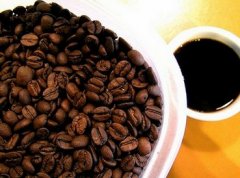
Brazilian coffee has a low sour taste.
Brazilian coffee generally refers to coffee produced in Brazil. There is a wide variety of Brazilian coffee, the vast majority of which are unwashed and sun-dried, classified according to the name of the state of origin and the port of transport. Brazil has 21 states and 17 states produce coffee, but four of them produce the largest, accounting for 98% of the country's total output. Brazilian coffee has a low sour taste, which goes well with coffee.
2015-09-14 Brazil coffee taste with low sour generally refers to produced in
Introduction to the characteristics of Rwanda Coffee Bean Flavor Manor producing area Coffee growing Environment in Rwanda
Rwandans have been growing coffee since colonial times, but until 1999, its products were still classified as below Class C and were not popular in the global market. The reason for the poor quality is that farmers do not have a fixed procedure for washing coffee beans and do not process coffee fruits according to specifications in time. Buyers buy coffee beans at $0.33 per kilogram, and farmers keep warm by the meagre profits earned at low prices.
2016-08-04 Rwanda coffee beans flavor taste manor producing area characteristics introduction coffee species
Introduction to boutique coffee basic knowledge of Brazilian coffee
Brazilian coffee generally refers to coffee produced in Brazil. There is a wide variety of Brazilian coffee, the vast majority of which are unwashed and sun-dried, classified according to the name of the state of origin and the port of transport. Brazil has 21 states and 17 states produce coffee, but four of them produce the largest, accounting for 98% of the country's total output. Brazilian coffee has a low sour taste, which goes well with coffee.
2014-11-17 Coffee knowledge coffee knowledge Brazilian coffee knowledge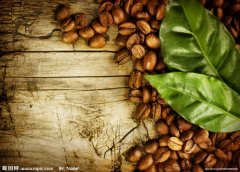
Introduction to Brazilian Coffee by producing countries of Fine Coffee beans
Brazilian coffee Brazils to distinguish it from Milds coffee. The vast majority of Brazilian coffee is unwashed and sun-dried and is classified according to the name of the state of origin and port of transport. Brazil has 21 states and 17 states produce coffee, but four of them produce the largest, accounting for 98% of Brazil's total output. They are: Parana, SaoPaulo and rice.
2014-12-29 Boutique coffee beans producing countries introduction recognition Brazil coffee B
Know the coffee bean producing countries of the coffee football kingdom of Brazil
Brazilian coffee Brazils to distinguish it from Milds coffee. The vast majority of Brazilian coffee is unwashed and sun-dried and is classified according to the name of the state of origin and port of transport. Brazil has 21 states and 17 states produce coffee, but four of them produce the largest, accounting for 98% of Brazil's total output. They are: Parana and SaoPaulo.
2015-10-14 Recognition Brazil Coffee Football Kingdom Coffee beans producing countries Br
Introduction to the grinding scale of taste treatment method for the characteristics of Ecuadorian coffee flavor varieties
People always habitually look at things in dichotomy, good and bad, good and evil, good and bad. The same is true in the world of coffee. Arabica coffee beans are always classified as good, while its distant relative, Robusta, is often classified as bad. We might describe it this way, if Arabica is an angel.
2016-10-17 Ecuador coffee flavor variety characteristics producing area taste treatment grinding engraving
Brazilian coffee generally refers to coffee produced in Brazil.
Brazilian coffee generally refers to coffee produced in Brazil. There is a wide variety of Brazilian coffee, the vast majority of which are unwashed and sun-dried, classified according to the name of the state of origin and the port of transport. Brazil has 21 states and 17 states produce coffee, but four of them produce the largest, accounting for 98% of the country's total output. Brazilian coffee has a low sour taste, which goes well with coffee.
2015-06-09 Brazil coffee generally refers to produced in Brazil produced in a wide variety of absolutely
Kenyan Kenya AA Coffee Kenyan Coffee beans mocha Coffee
This classification method is based on a variety of perforated screen classification, the screen has a variety of specifications, identified by the number, the number is associated with the mesh. The size of the mesh-1 stroke 64 inches is the unit of calculation. If the diameter of the mesh is 18 stroke 64 inches, the number of the screen is 18; if the diameter of the mesh is 17 inch 64 inches, the number of the screen is 17. And so on, there are 19, 16, 15, 1
2016-05-03 Kenya coffee coffee beans characteristics mocha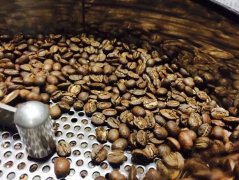
How is the coffee graded? who is in charge of grading? How is it graded?
Select coffee is usually the top coffee, but what does the top coffee represent? Who is in charge of grading? How is it graded? Although grade is not the only criterion for distinguishing flavor, it is still a quite objective index. First, why there are different ways of managing the origin of graded coffee, some are composed of large and small farmers, and some are dominated by specialized enterprises. Even if the coffee in the same place
2015-11-03 Coffee how grading who is in charge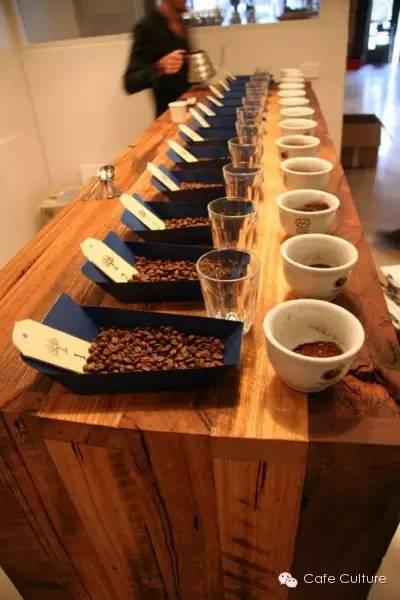
Professional skills in Coffee Operation | the correct way to taste coffee
After years of accumulation and precipitation, the coffee industry has finally formed a set of coffee tasting standards and systems similar to red wine tasting. But in real life, how many people really know how to taste coffee? As far as I know, nowadays many coffee roasters and growers are keen to participate in coffee tasting related training. But they can really taste the same as wine tasters.
2015-11-30 Professional technical tasting coffee correct method too much years accumulation
Explanation of some Coffee terms (2)
Defective beans: defective coffee beans mixed with raw beans, including moldy beans, dead beans, black beans, immature beans, fermented beans and so on. If the defective beans are not hand-picked before and after baking, it will destroy the taste of the coffee. Colombian fresh and bright coffee: this is one of the four categories of coffee classified by the New York Futures Exchange according to the origin of coffee. It is Colombian, Kenyan and Tanzanian coffee.
2014-08-22 Coffee knowledge coffee words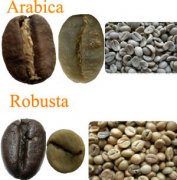
Robusta, which you don't know, is also a good bean.
Coffee training knowledge: people always habitually look at things in dichotomy, good and bad, good and bad, good and bad. The same is true in the world of coffee. Arabica coffee beans are always classified as good, while its distant relative, Robusta, is often classified as bad. Why is Robusta so notorious? Round in appearance
2015-10-15 You don't know Rob Booth too good beans coffee training knowledge people.
Boutique coffee Panamanian coffee category Panamanian coffee flavor Panamanian coffee taste
Panama Coffee growing Environment Panama is a small country located in the center of the American continent. The waters of the Atlantic and Pacific oceans flood its beaches. Panama is located at 9 degrees north latitude, the meeting point of the Central Mountains, where Mount Baru, one of the highest volcanoes in Central America, is located. The Baru volcano has an altitude of more than 11400 feet, and the land around it is rich in nutrients and fertile
2016-05-22 Boutique coffee Panama variety flavor taste planting ring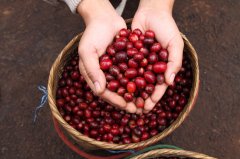
Classification and causes of defective beans in Fine Coffee SCAA
The growth environment of boutique coffee beans also has higher requirements. Generally grow at an altitude of 1500 meters or even more than 2000 meters above sea level, with appropriate precipitation, sunshine, temperature and soil conditions. Some world-famous coffee beans also have a special geographical environment, such as the alpine clouds in the Blue Mountains, the free shade provided by the afternoon clouds in Kona, and the volcanic ash soil in Antigua.
2016-05-31 Boutique coffee SCAA defects classification reasons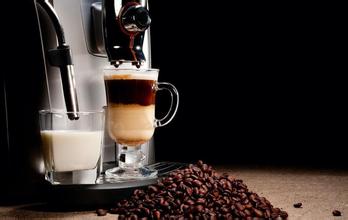
Boutique coffee Rwanda coffee origin Rwanda coffee practice
Rwandans have been growing coffee since colonial times, but until 1999, its products were still classified as below Class C and were not popular in the global market. The reason for the poor quality is that farmers do not have a fixed procedure for washing coffee beans and do not process coffee fruits according to specifications in time. Buyers buy coffee beans at $0.33 per kilogram, and farmers keep warm by the meagre profits earned at low prices.
2016-05-15 Boutique Coffee Rwanda Origin practice Renzi colonization Times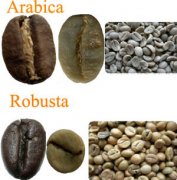
Coffee training knowledge: Robusta you don't know
Coffee training knowledge: people always habitually look at things in dichotomy, good and bad, good and bad, good and bad. The same is true in the world of coffee. Arabica coffee beans are always classified as good, while its distant relative, Robusta, is often classified as bad. Why is Robusta so notorious? Round in appearance
2014-10-08 Coffee knowledge Coffee Encyclopedia Robusta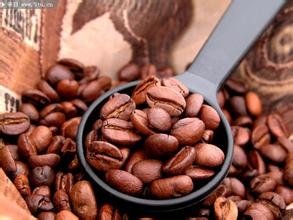
Rwandan coffee is the best coffee in Rwanda.
Rwandans have been growing coffee since colonial times, but until 1999, the product was classified as below grade C and was not available on the global market. The reason for the poor quality is that farmers do not have a fixed procedure for cleaning coffee beans, and they do not process coffee fruits according to specifications in time. Buyers pay $0.33 a kilo for coffee beans, farmers keep warm on meager profits from low prices
2016-05-15 boutique coffee rwanda characteristics presentation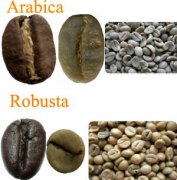
The basic knowledge of Robusta in boutique coffee
Coffee training knowledge: people always habitually look at things in dichotomy, good and bad, good and bad, good and bad. The same is true in the world of coffee. Arabica coffee beans are always classified as good, while its distant relative, Robusta, is often classified as bad. Why is Robusta so notorious? Round in appearance
2014-11-22 Coffee knowledge boutique coffee science Robusta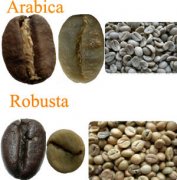
Types of coffee beans Robusta coffee beans
Coffee training knowledge: people always habitually look at things in dichotomy, good and bad, good and bad, good and bad. The same is true in the world of coffee. Arabica coffee beans are always classified as good, while its distant relative, Robusta, is often classified as bad. Why is Robusta so notorious? Round in appearance
2014-12-30 Coffee beans types Robes Booth Coffee training knowledge people always Xi
Fine coffee Rwanda Coffee characteristics introduction to Rwanda Coffee
Rwandans have been growing coffee since colonial times, but until 1999, its products were still classified as below Class C and were not popular in the global market. The reason for the poor quality is that farmers do not have a fixed procedure for washing coffee beans and do not process coffee fruits according to specifications in time. Buyers buy coffee beans at $0.33 per kilogram, and farmers keep warm by the meagre profits earned at low prices.
2016-05-15 Boutique coffee Rwanda characteristics introduction Renzi colonization times from