“AASL28SL34” search results (3000)
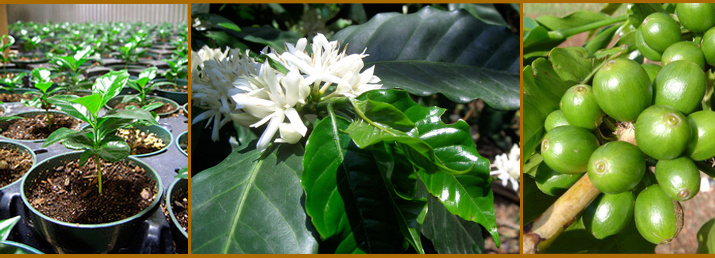
Kenyan Coffee AASL 28, SL 34 washing Pearl Bean in Ambuyala Manor
Kenya grade: AA producing area: central province, Qianbu town baking degree: shallow baking altitude: 1732 m annual rainfall: 988~1300mm treatment method: washing varieties: SL 28, SL 34 producer: Yala manor soil: crimson soil with good drainage
2016-04-11 Kenya Coffee AASL Kenyan Ambu Yala Manor Pearl Bean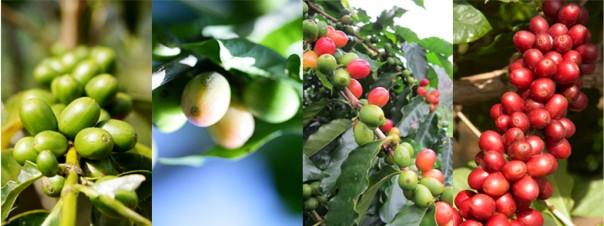
Where can I buy coffee beans? how much is a kilo of Kenyan coffee AASL28SL34 Yala Manor Coffee?
Coffee seeds cannot be grown directly with coffee fruits picked from coffee trees. Peeling coffee fruits is like planting peanuts. If you plant a peanut with a shell in the soil, it cannot sprout. You must plant peanuts. It is the same with medium coffee. If you have coffee fruit in your hand, you can first bask it in the sun and shake it until it is shaken inside.
2016-04-15 Coffee beans where less money one jin Kenya coffee AASL28SL34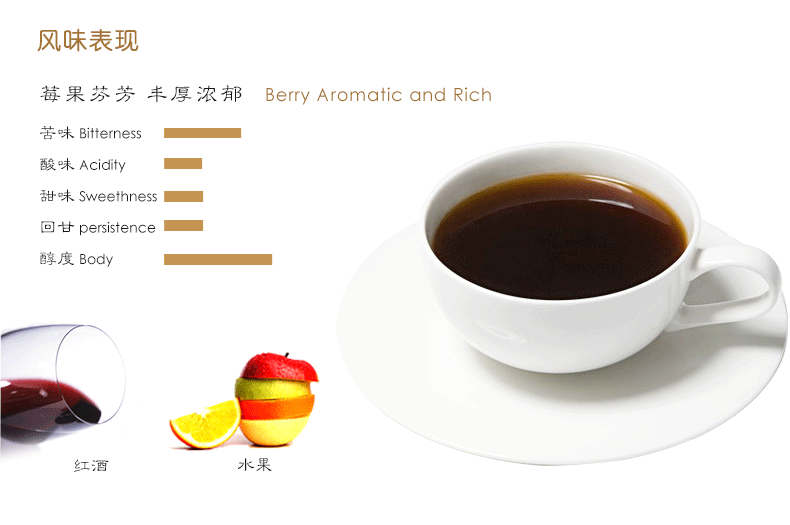
Where can I buy coffee beans online? Where can I buy coffee beans? Kenya Coffee Yala Manor AASL 28
1. When buying beans online, you should pay attention to the production date, shelf life, packaging and sealing, the roasting degree of coffee beans, the types of coffee beans, and your utensils to determine what kind of beans you want. If you use blue mountain beans to make ESP, it is indeed a maverick way, but it is also too unprofessional and expensive, and the taste is not very good. The production date must be at least
2016-04-23 Online how can I buy coffee beans where to go buy good Kenya coffee Yala Zhuang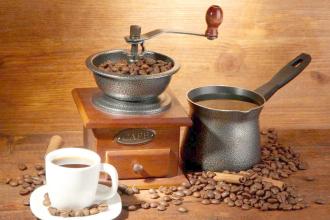
Kenyan Jinchu Coffee
The Kenyan coffee variety was first brought to Kenya to be planted in Bourbon bourbon. In the 1950s, through unremitting efforts, the then agricultural research institution ScottLaboratory selected two excellent hybrids, SL-28 and SL-34, subverting the long-standing prejudice that artificial breeding varieties are not excellent natural varieties. SL-28 and SL-34 help Kenyan coffee
2016-08-30 Kenya Jinchu coffee variety originally brought to planted B.![Kenya [SL28] and [SL34]](https://www.coffeesearch.net/static/assets/images/nopic.gif)
Kenya [SL28] and [SL34]
Kenya [SL28] and [SL34]: French and British missionaries and researchers sifted in Kenya at the beginning of the 20th century
2014-06-28 Kenya coffee varieties coffee tree cultivation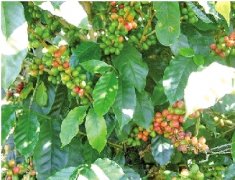
Kenyan boutique coffee Jiatugi processing plant in Kenya Nyeri producing area
There are many producing areas in Kenya that strive to preserve the native forest ecosystem, protect the natural gene pool, support the reproduction of wild coffee varieties and breed a variety of coffee trees. In 1930, the unique varieties of SL28 and SL34 in Kenya, which were cultivated and named by Scott Laboratories laboratory, were born in such a good environment. According to botanists in SL laboratory, SL28 and SL34 are
2016-05-14 Kenya boutique coffee Nyeri producing area home Tuji Gatugi
Characteristics of Kenyan Coffee beans sl28sl34AA characteristic Flavor description Manor introduction
Kenyan coffee has an irresistible aroma, and the best Kenyan coffee has strong acidity, reminiscent of ripe blackcurrants, oranges or cherries. At the same time, Kenya coffee has a strong raspberry aroma, such as blueberry, often with rose fruit, passion fruit and floral aroma, with a BlackBerry and grapefruit flavor, is a lot of coffee old
2016-10-24 Kenya coffee beans characteristics sl28sl34AA flavor description manor
Categories of Kenyan coffee classification of Kenyan coffee
Bourbon Bourbon was first brought to Kenya for planting. In the 1950s, the then agricultural research institution ScottLaboratory selected two excellent hybrids, SL-28 and SL-34, through unremitting efforts, subverting the long-standing prejudice of artificial breeding without excellent natural varieties. SL-28 and SL-34 helped Kenyan coffee form its own independence.
2016-05-25 Kenya Coffee Category Classification initially brought to Kenya planting Bour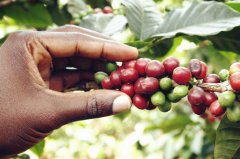
Washing AA quality coffee beans from Jiatugi treatment plant in Nyeri production area of Kenya
KenyaNyeri Gatugi AA country: Kenya Grade: AA producing area: Nyeri Central Mountain area altitude: 1600-2300 m soil: volcanic Clay treatment: washing varieties: SL 28, SL 34 processing Plant: Gatugi processing Plant producer: small Coffee Flavor Flavor: floral, blackcurrant, cranberry located in East Africa Kenya is one of the major coffee producing countries
2016-05-05 Kenya Nyeri producing area home Tuji Gatugi treatment plant washing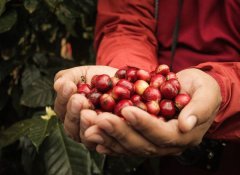
Kenyan coffee beans graded boutique coffee beans classified Kenyan coffee flavor
According to botanists in SL laboratory, SL28 and SL34 are genetic variants. Among them, SL28 has a mixed pedigree of French missionaries, mochas and Yemens Tibica. The goal of cultivating SL28 was to mass produce coffee beans with high quality and resistance to diseases and insect pests. Although the later production of SL28 was not as large as expected, copper leaves and broad bean-shaped beans were very popular.
2016-05-07 Kenya coffee beans grading boutique coffee flavor according to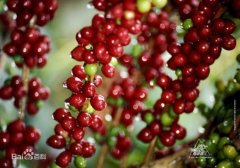
Kenya Nyeri producing area Jia Tuji Gatugi processing plant African coffee flavor
According to SL Laboratory botanists, SL28 and SL34 are genetic variants. Among them, SL28 has a mixed lineage of French missionaries, mocha and Yemeni tibica. SL28 was bred to produce high quality, pest resistant coffee beans in large quantities. Although SL28 did not yield as much as expected, copper leaf color and broad bean-like beans were very good.
2016-06-15 Kenya Nyeri Producing Area Home Tugi Gatugi Processing Plant Africa
Introduction to the characteristics of high-quality coffee beans in the producing area of coffee flavor varieties in Jinchu Valley, Kenya
Bourbon Bourbon was first brought to Kenya for planting. In the 1950s, the then agricultural research institution ScottLaboratory selected two excellent hybrids, SL-28 and SL-34, through unremitting efforts, subverting the long-standing prejudice of artificial breeding without excellent natural varieties. SL-28 and SL-34 helped Kenyan coffee form its own independence.
2016-09-21 Kenya Jinchu coffee flavor taste variety producing area characteristics boutique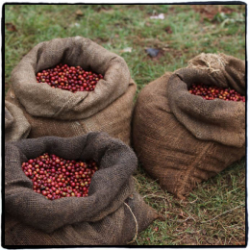
Kenya AA coffee beans Nyeri Jiatugi processing plant African boutique coffee beans
According to botanists in SL laboratory, SL28 and SL34 are genetic variants. Among them, SL28 has a mixed pedigree of French missionaries, mochas and Yemens Tibica. The goal of cultivating SL28 was to mass produce coffee beans with high quality and resistance to diseases and insect pests. Although the later production of SL28 was not as large as expected, copper leaves and broad bean-shaped beans were very popular.
2016-07-19 Kenya coffee beans Nyeri Tuji Gatugi processing plant Africa
Kenyan National Coffee Fruit Sour Coffee Fruit Coffee AA AB Grade Coffee
According to botanists in SL laboratory, SL28 and SL34 are genetic variants. Among them, SL28 has a mixed pedigree of French missionaries, mochas and Yemens Tibica. The goal of cultivating SL28 was to mass produce coffee beans with high quality and resistance to diseases and insect pests. Although the later production of SL28 was not as large as expected, copper leaves and broad bean-shaped beans were very popular.
2016-04-16 Kenya country Coffee Flavor Fruit Acid Fruit Type Black Coffee Grade basis Real
Water washing grade AA of Jiatugi treatment plant in Nyeri production area of Kenya
According to botanists in SL laboratory, SL28 and SL34 are genetic variants. Among them, SL28 has a mixed pedigree of French missionaries, mochas and Yemens Tibica. The goal of cultivating SL28 was to mass produce coffee beans with high quality and resistance to diseases and insect pests. Although the later production of SL28 was not as large as expected, copper leaves and broad bean-shaped beans were very popular.
2016-06-20 Kenya Nyeri production area Tuji Gatugi treatment plant washing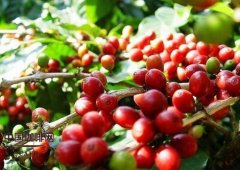
Kenyan Coffee Flavor of Jiatugi processing Plant in Nyeri production area of Kenya
According to botanists in SL laboratory, SL28 and SL34 are genetic variants. Among them, SL28 has a mixed pedigree of French missionaries, mochas and Yemens Tibica. The goal of cultivating SL28 was to mass produce coffee beans with high quality and resistance to diseases and insect pests. Although the later production of SL28 was not as large as expected, copper leaves and broad bean-shaped beans were very popular.
2016-05-18 Kenya Nyeri producing area Home Tuji Gatugi processing Plant Coffee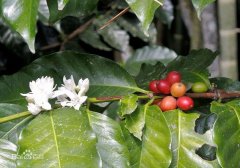
Nyeri Central Dashan area of Jiatugi processing Plant in Nyeri production area of Kenya
According to botanists in SL laboratory, SL28 and SL34 are genetic variants. Among them, SL28 has a mixed pedigree of French missionaries, mochas and Yemens Tibica. The goal of cultivating SL28 was to mass produce coffee beans with high quality and resistance to diseases and insect pests. Although the later production of SL28 was not as large as expected, copper leaves and broad bean-shaped beans were very popular.
2016-07-08 Kenya Nyeri producing area home Tuji Gatugi processing plant central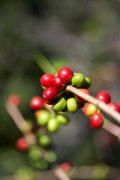
Washing AA quality coffee beans from Jiatugi treatment plant in Nyeri production area of Kenya
According to botanists in SL laboratory, SL28 and SL34 are genetic variants. Among them, SL28 has a mixed pedigree of French missionaries, mochas and Yemens Tibica. The goal of cultivating SL28 was to mass produce coffee beans with high quality and resistance to diseases and insect pests. Although the later production of SL28 was not as large as expected, copper leaves and broad bean-shaped beans were very popular.
2016-05-10 Kenya Nyeri producing area home Tuji Gatugi treatment plant washing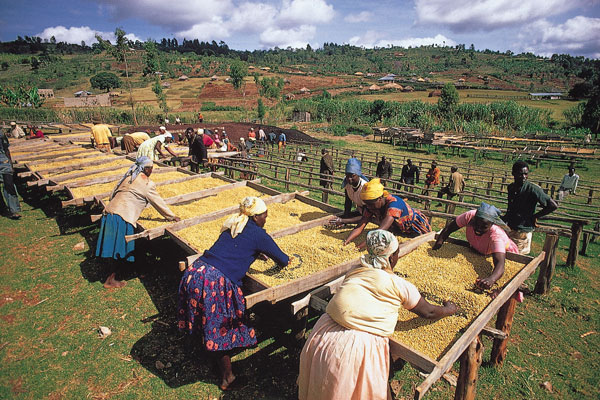
Kenyan Coffee Kenya kenya Coffee Manor Kenyan Coffee varieties Kenyan Coffee growing area
Kenyan coffee has many followers in the boutique coffee industry, and Kenyan AA has an extraordinary popularity. Kenyan coffee, known as the Cup of connoisseurs (ConnoisseursCup), is famous in the coffee industry for its rich aroma, bright and vibrant acidity, full and elegant mellowness and red wine flavor. Caffeine in different producing areas has its own fine due to the difference of microclimate.
2016-04-01 Kenya coffee kenya manor variety growing area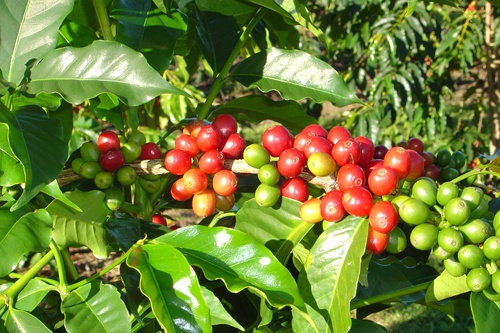
African coffee Kenya Nyeri producing area Jia Tuji Gatugi processing plant washed AA cranberries
Kenya in East Africa is one of the major coffee producers, with more than six million people engaged in the coffee industry, mostly in the form of a combination of small farmers and cooperatives. Coffee trees in Kenya are mostly grown at altitudes of 1400 m to 2000 m and grow in areas including Ruiri, Thika, Kirinyaga, Mt. Kenya West, Nyeri, Kiambu and Muranga. Kenya and Aber
2016-03-26 Africa Coffee Kenya Nyeri Producing Home Tugi Gatugi