“water vapor” search results (400)

The coffee that fascinates countless people has a variety of flavors.
Coffee is a magical drink that fascinates millions of people. Its bitter, astringent, salty, spicy, sweet and other flavors, so that the tip of the tongue and smell perfectly reflect the taste of coffee, the sharp edge of the tongue can feel this ever-changing taste of coffee. The strong aroma of coffee when coffee beans are ground, their fibers are heated and broken, releasing carbon dioxide. Carbon dioxide
2015-08-18 Make no several people for it fascinated coffee variety taste one kind make no
Fancy coffee formula: iced coffee
(1) fill the glass with ice cubes and remove water vapor; (2) put the extracted coffee directly into the glass and stir; (3) add milk and syrup
2014-07-10 Iced coffee fancy coffee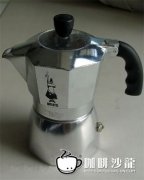
Mocha pot what is a mocha pot? how to use a mocha pot?
Introduction: it is divided into two parts: the water is put in the lower part to boil to produce vapor pressure; the boiling water rises and passes through the upper half of the filter pot containing coffee powder; when the coffee flows to the upper half, turn off the fire
2016-05-20 Mocha pot what how use mocha kettle
Coffee family
Italian coffee: Italian coffee is usually brewed at home using a mocha pot invented in Italy, which also uses the principle of vapor pressure to quench coffee (another Watt's apprentice). The mocha pot can make the pressurized vapor pass directly through the coffee powder, let the steam pass through the cell wall of the coffee powder (or Hook's apprentice), and quench the inner essence of coffee.
2014-05-22 Coffee culture coffee family
Steam pressurized coffee maker steps for making coffee in an Italian coffee machine
1. Features: use the pressure caused by steam contraction to draw out the coffee liquid quickly. two。 Preparation: (1) press the coffee powder hard to prevent the powder from being sucked out. The top pot should be tightly covered to prevent water vapor from leaking. (2) in order to avoid insufficient extraction of liquids, containers that are larger than expected consumption should be selected. 3. The brewing method (1) pour the required amount of boiling water into the bag below, but
2015-10-21 Steam pressurized coffee Italian coffee machine steps features utilization steam shrinkage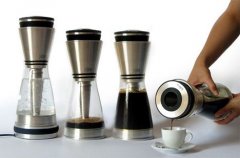
Magic coffee pot
The Kahva coffee maker designed by Lina Fischer is made of glass and metal and looks like an hourglass. His whole coffee-making process is magical. First of all, pull out the inner core and add the right amount of water to the glass pot, and then insert the inner core of the coffee powder. Plug in the electricity and the water in the kettle gradually boils. You will find that the water level keeps falling until most of it
2014-07-28 Coffee pot coffee pot use skills coffee utensils
Know the general category of coffee
Italian coffee: Italian coffee is usually brewed at home using a mocha pot invented in Italy, which also uses the principle of vapor pressure to quench coffee (another Watt's apprentice). The mocha pot can make the pressurized vapor pass directly through the coffee powder, let the steam pass through the cell wall of the coffee powder (or Hook's apprentice), and quench the inner essence of coffee.
2014-09-04 General category of coffee
Classification of coffee Italian coffee
Classification of coffee (cup type) Italian coffee: Italian coffee is usually brewed at home using a mocha pot invented in Italy, which also uses the principle of vapor pressure to quench coffee (another Watt's apprentice). The mocha pot can make the pressurized vapor pass directly through the coffee powder and let the steam pass through the cell wall of the coffee powder (or Hook's apprentice).
2015-05-23 Coffee classification Italy coffee cup type general home brew
Coffee common sense how instant coffee is made
How is instant coffee made? The lure of mellow coffee is irresistible to many people. The invention of instant coffee has brought convenience to coffee lovers, so that people can taste strong coffee anytime and anywhere. However, the process of making instant coffee is quite troublesome. In the case of powdered coffee, first soak the selected coffee beans in a large pot, from one pot to another.
2015-03-03 Coffee common sense instant how out coffee come out mellow
Some suggestions on the preservation of raw beans in Coffee Encyclopedia
The preservation of raw coffee beans is generally affected by the following: 1) the water content of raw coffee beans, 2) the temperature of the surrounding environment, 3) relative humidity, the water content of the coffee bean itself: about 10-11% water content is our general understanding of a batch of good raw beans, but where does this number come from? What is its credibility? Kenya did an experiment on this, in a room of 10-35 degrees Celsius.
2014-09-28 Coffee knowledge coffee raw beans coffee beans preservation
Introduction to the varieties of Italian Coffee
Italian coffee: Italian coffee is usually brewed at home using a mocha pot invented in Italy, which also uses the principle of vapor pressure to quench coffee (another Watt's apprentice). The mocha pot can make the pressurized vapor pass directly through the coffee powder, let the steam pass through the cell wall of the coffee powder (or Hook's apprentice), and quench the inner essence of coffee.
2015-01-19 Italian style Coffee Type style Variety introduction Italian General Home
Classification of coffee (cup type) cappuccino? Cafe Latte
Classification of coffee (cup type) Italian coffee: Italian coffee is usually brewed at home using a mocha pot invented in Italy, which also uses the principle of vapor pressure to quench coffee (another Watt's apprentice). The mocha pot can make the pressurized vapor pass directly through the coffee powder and let the steam pass through the cell wall of the coffee powder (or Hook's apprentice).
2015-11-12 Coffee Classification Cup Cabo Chino Latte Italy
Basic knowledge of Italian Coffee in Coffee Family
Italian coffee: Italian coffee is usually brewed at home using a mocha pot invented in Italy, which also uses the principle of vapor pressure to quench coffee (another Watt's apprentice). The mocha pot can make the pressurized vapor pass directly through the coffee powder, let the steam pass through the cell wall of the coffee powder (or Hook's apprentice), and quench the inner essence of coffee.
2015-06-13 Coffee Family Italy Basics Common sense General Home Chong
Coffee common sense some suggestions on the preservation of raw coffee beans
The preservation of raw coffee beans is generally affected by the following: 1) the water content of raw coffee beans, 2) the temperature of the surrounding environment, 3) relative humidity, the water content of the coffee bean itself: about 10-11% water content is our general understanding of a batch of good raw beans, but where does this number come from? What is its credibility? Kenya did an experiment on this, in a room of 10-35 degrees Celsius.
2014-11-19 Coffee knowledge coffee common sense coffee raw beans coffee beans preservation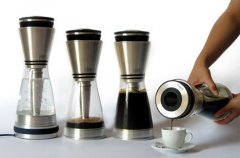
Magic coffee pot Kahva coffee pot
The Kahva coffee maker designed by Lina Fischer is made of glass and metal and looks like an hourglass. His whole coffee-making process is magical. First of all, pull out the inner core and add the right amount of water to the glass pot, and then insert the inner core of the coffee powder. Plug in the electricity and the water in the kettle gradually boils. You will find that the water level keeps falling until most of it
2015-07-15 Magic coffee maker Kahva Lina Fischer design this
Detailed introduction of coffee varieties from all over the world
Italian coffee: Italian coffee is usually brewed at home using a mocha pot invented in Italy, which also uses the principle of vapor pressure to quench coffee (another Watt's apprentice). The mocha pot can make the pressurized vapor pass directly through the coffee powder, and let the steam pass through the cell wall of the coffee powder (or Hook's apprentice) in an instant, thus turning the inner essence of coffee.
2016-09-30 Countries all over the world coffee variety details introduction Italy general home
Detailed introduction of coffee varieties from all over the world
Italian coffee: Italian coffee is usually brewed at home using a mocha pot invented in Italy, which also uses the principle of vapor pressure to quench coffee (another Watt's apprentice). The mocha pot can make the pressurized vapor pass directly through the coffee powder, and let the steam pass through the cell wall of the coffee powder (or Hook's apprentice) in an instant, thus turning the inner essence of coffee.
2016-10-11 Countries all over the world coffee variety details introduction Italy general home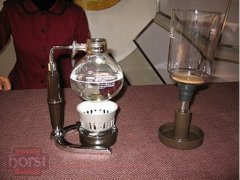
Siphon pot Japanese coffee utensils what is the siphon principle of siphon pot
Introduction: siphon pot (Syphon), commonly known as "glass ball" or "siphon", is a simple and easy-to-use coffee brewing method, and it is also one of the most popular coffee brewing methods in cafes. Although the siphon pot has the nickname of "plug wind type", it has nothing to do with the siphon principle, but uses water heating to produce water vapor, resulting in the principle of thermal expansion and cold contraction, pushing the hot water from the lower sphere to the upper pot, waiting for the next pot.
2016-05-20 Siphon Japan coffee utensils what principle introduction siphon Syphon
Classification of fancy coffee introduction to the types of cup coffee
Classification of coffee (cup type) Italian coffee: Italian coffee is usually brewed at home using a mocha pot invented in Italy, which also uses the principle of vapor pressure to quench coffee (another Watt's apprentice). The mocha pot can make the pressurized vapor pass directly through the coffee powder and let the steam pass through the cell wall of the coffee powder (or Hook's apprentice).
2015-02-27 Fancy Coffee Classification Cup Type introduction Italy
Some suggestions on the preservation of raw beans in the common sense of fine coffee
The preservation of raw coffee beans is generally affected by the following: 1) the water content of raw coffee beans, 2) the temperature of the surrounding environment, 3) relative humidity, the water content of the coffee bean itself: about 10-11% water content is our general understanding of a batch of good raw beans, but where does this number come from? What is its credibility? Kenya did an experiment on this, in a room of 10-35 degrees Celsius.
2014-12-26 Boutique coffee common sense about raw beans preservation a little bit suggestions