“usually” search results (17000)

Why do you mix coffee? coffee usually doesn't mix at 1:1.
Blended coffee usually does not take the 1:1 blending ratio, because this may suppress each other's unique flavor, so the blending must be primary and secondary in order to produce a better taste than a single coffee. If you want the coffee to taste complex and changeable, you can reduce the proportion of raw beans, and vice versa. Blending coffee depends on constantly trying to test the cup, so before blending
2016-06-22 Coffee why carry out blending general take proportion coffee
Coffee tasting terms coffee taste to understand the characteristics of coffee beans in different places
Before you begin to understand the characteristics of coffee beans in different places, you must know the following taste words in order to know the characteristics and flavor of coffee beans in various producing areas. Body (consistency) has been translated as mellow, the correct taste should be to feel the coffee after the entrance of the thick, thick texture. The tactile impression and consistency of the tongue in terms of weight and quality are as light as water.
2015-09-16 Coffee tasting language coffee taste understanding everywhere
The use of coffee cups and saucers
The cups and saucers for coffee are specially made. An one is the Italian espresso cup, the general 90ML, the amount of coffee should be 60ML. That's what we often call ESPRESSO. B commonly used coffee cup 150ML, coffee quantity is usually 120ML, we go to coffee shops and cafes usually use this kind of coffee cup. C there is also a cup and saucer used to make hot fancy coffee, usually 180ML
2015-07-20 Coffee cups use boutique coffee common sense blooming cups and saucers all specially made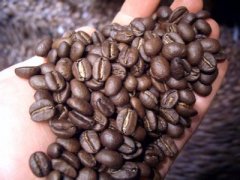
Basic knowledge of boutique coffee the taste of coffee
Coffee trees are very similar to laurel and usually grow between the Tropic of Cancer and the Tropic of Cancer. A coffee tree usually grows for about three to four years before it begins to bear fruit. The fruit is a red berry, which is dried and the pulp is removed to separate the coffee beans. There are shadows of coffee beans all over the world, and they can grow as usual as long as the climate is right. These are suitable for cultivating coffee.
2015-01-17 Boutique coffee basics common sense taste laurel extremely similar evergreen
The roasting method of professional coffee is usually divided into the following eight stages
The roasting method of professional coffee is usually divided into the following eight stages. 1. Very shallow baking (LIGHTRoast): the degree of baking; very shallow baking, also known as shallow baking. The lightest roasting degree of all roasting stages, the surface of the coffee beans is a light cinnamon color, its taste and aroma are insufficient, this state is almost undrinkable. It is generally used for testing and seldom for tasting. 2. Shallow baking (C
2014-05-15 Coffee knowledge roasting method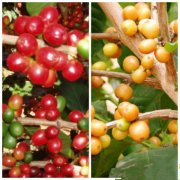
Coffee picking coffee trees usually blossom for 3 or 4 years.
Coffee trees usually blossom in 3-4 years, about 2-3 months a year, and their appearance and smell are similar to those of jasmine. when they bloom, they grow in clusters on the branches and bloom for 3-5 days. After the flowers bloom, they bear small green fruits, which ripen and turn red into ripe fruits that can be picked after a few months. The skin of ripe fruit is red. Because its shape and color are similar to cherries, ripe coffee fruit is called coffee cherry in many places.
2015-09-15 Coffee picking general 4 years blossom
Roasting defects Fast baking freshly baked coffee beans coffee quality coffee raw beans
When we talk about boutique coffee, every step presented in the coffee supply chain is critical to the final coffee product presented to us. So a very important step in the supply chain of coffee from seed to cup is roasting. When it comes to specialty coffee, every step in the supply chain becomes extremel
2016-06-24 Roasting defects fast fresh coffee beans coffee quality raw beans we talk about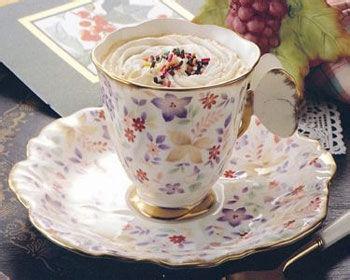
Fancy coffee layering Basic method of coffee layering
When we make layered coffee, we first need to figure out the order of each level, or the proportion of each ingredient. The heavier ones are generally divided into the lower layers, and the lighter ones are divided into the upper layers. Whether it is a cocktail or a layered coffee, the principle is the same. Below I will briefly discuss the usual hierarchical arrangement method, which may be different varieties of the original
2015-02-27 fancy coffee layering arrangement basic method we doing
Origin and Flavor characteristics of Coffee
The category of coffee is freshly ground coffee: usually large cans with beans of different sizes, oval Arabica and round Robusta. Baking color uniformity varies greatly, not full, caffeine beans can see the traces of dry crack, not glossy! It smells like a faint aroma of coffee. If you grind it on the spot, it usually has a momentary aroma.
2014-08-15 Coffee knowledge coffee origin coffee flavor coffee encyclopedia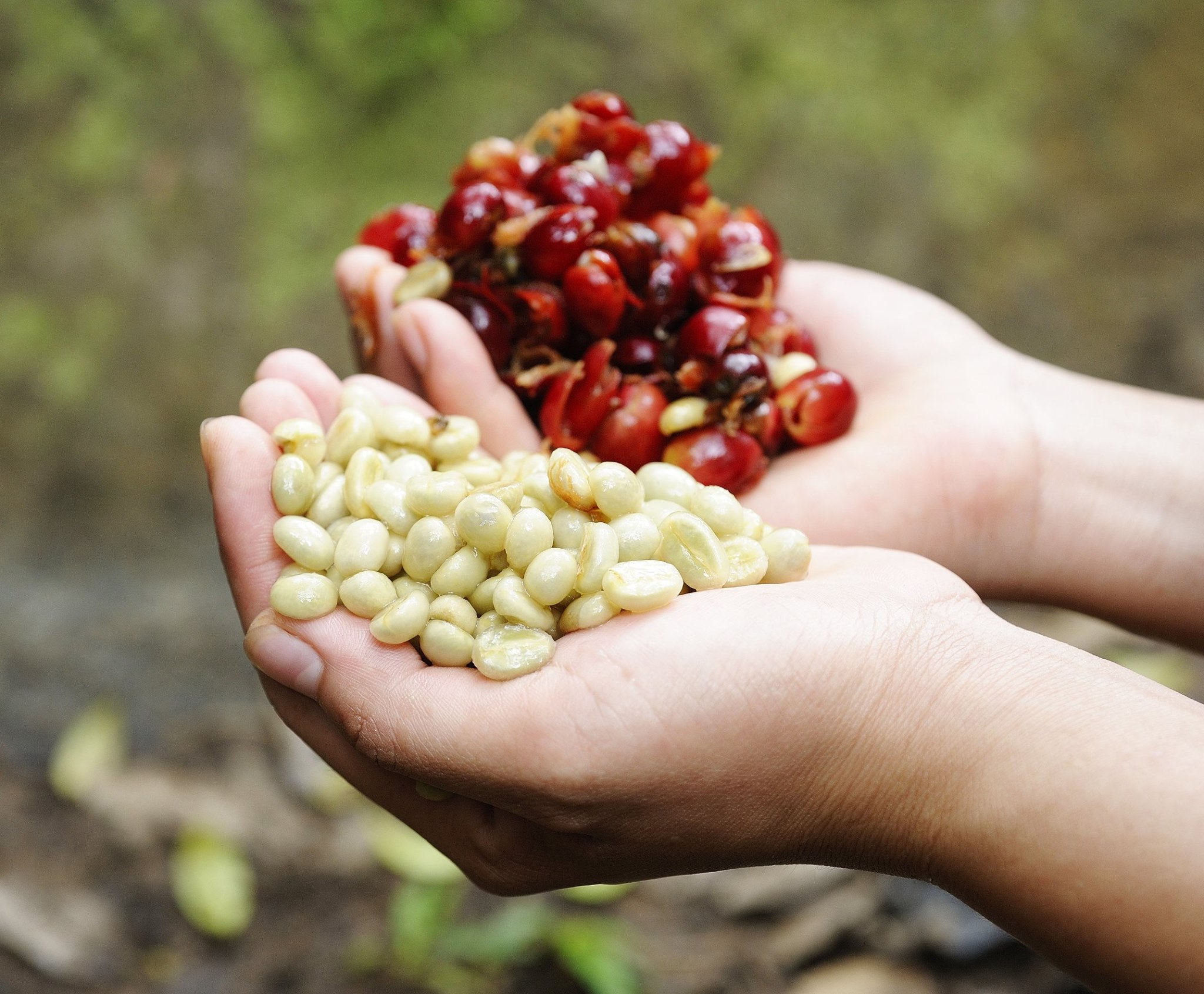
Bean appearance and grading of Ethiopian coffee
The category of coffee is freshly ground coffee: usually large cans with beans of different sizes, oval Arabica and round Robusta. Baking color uniformity varies greatly, not full, caffeine beans can see the traces of dry crack, not glossy! It smells like a faint aroma of coffee. If you grind it on the spot, it usually has a momentary aroma.
2016-07-21 Ethiopia Coffee Concord grading
The Origin and Flavor of Coffee
The category of coffee is freshly ground coffee: usually large cans with beans of different sizes, oval Arabica and round Robusta. Baking color uniformity varies greatly, not full, caffeine beans can see the traces of dry crack, not glossy! It smells like a faint aroma of coffee. If you grind it on the spot, it usually has a momentary aroma.
2015-01-27 Coffee origin flavor characteristics boutique coffee category fresh mill general canned
The Origin and Flavor characteristics of Coffee
The category of coffee is freshly ground coffee: usually large cans with beans of different sizes, oval Arabica and round Robusta. Baking color uniformity varies greatly, not full, caffeine beans can see the traces of dry crack, not glossy! It smells like a faint aroma of coffee. If you grind it on the spot, it usually has a momentary aroma.
2015-04-14 Coffee basics common sense origin flavor characteristics
Coffee trees grow basic coffee trees usually take three to four years to blossom
Coffee trees usually blossom in 3-4 years, about 2-3 months a year, and their appearance and smell are similar to those of jasmine. when they bloom, they grow in clusters on the branches and bloom for 3-5 days. After the flowers bloom, they bear small green fruits, which ripen and turn red into ripe fruits that can be picked after a few months. The skin of ripe fruit is red. Because its shape and color are similar to cherries, ripe coffee fruit is called coffee cherry in many places.
2015-10-15 Coffee planting basic general 4 years flowering
The method of coffee layering remember the order of each level.
The proportion of each ingredient is different, and its position in a cup of coffee will be different. Those with a large proportion are generally divided into the lower layer, and those with a small proportion are divided into the upper layer, which is the same as the seven-color rainbow principle of cocktails. The following is a brief description of the usual hierarchical arrangement method. Different kinds of raw materials, hot drinks and ice drinks may cause some differences, but if you master the principle, you will find ten thousand.
2014-07-16 Coffee layering coffee decoration coffee brewing
The method of coffee layering. The order of coffee levels.
The proportion of each ingredient is different, and its position in a cup of coffee will be different. Those with a large proportion are generally divided into the lower layer, and those with a small proportion are divided into the upper layer, which is the same as the seven-color rainbow principle of cocktails. The following is a brief description of the usual hierarchical arrangement method. Different kinds of raw materials, hot drinks and ice drinks may cause some differences, but if you master the principle, you will find ten thousand.
2015-03-20 Coffee layering method hierarchy arrangement order each kind raw material specific gravity different
The basic method of coffee stratification the arrangement of levels
When making layered coffee, we first need to figure out the up and down order of each level, or the proportion of each ingredient. Those with a large proportion are generally divided into the lower layer, and those with a small proportion are divided into the upper layer. Whether it is to make cocktails or layered coffee, the principle is the same. Next, I will briefly discuss the usual method of hierarchical arrangement, which may be the origin of different varieties.
2014-07-12 Coffee layering hierarchical arrangement layered coffee
The origin and flavor characteristics of coffee common sense of all kinds of coffee
The category of coffee is freshly ground coffee: usually large cans with beans of different sizes, oval Arabica and round Robusta. Baking color uniformity varies greatly, not full, caffeine beans can see the traces of dry crack, not glossy! It smells like a faint aroma of coffee. If you grind it on the spot, it usually has a momentary aroma.
2015-10-27 Coffee origin flavor characteristics types common sense
Three baking processes: drying, high temperature decomposition and cooling
Newly imported coffee beans usually contain about 12% moisture, and when the coffee beans are roasted at a high baking temperature from 500 to 800 degrees Fahrenheit, when the coffee beans heat up, the water evaporates. Most of the moisture is released in the first few minutes of the baking process, although the baking time in the United States is usually about 15 minutes, which may be 5 minutes or as long as an hour. At 8
2015-03-05 Three baking process drying high temperature decomposition cooling import coffee beans usually
Three baking processes: drying, high temperature decomposition and cooling
Newly imported coffee beans usually contain about 12% moisture, and when the coffee beans are roasted at a high baking temperature from 500 to 800 degrees Fahrenheit, when the coffee beans heat up, the water evaporates. Most of the moisture is released in the first few minutes of the baking process, although the baking time in the United States is usually about 15 minutes, which may be 5 minutes or as long as an hour. At 8
2015-04-14 Three baking process drying high temperature decomposition cooling import coffee beans usually
Three baking processes: drying, high temperature decomposition and cooling
Newly imported coffee beans usually contain about 12% moisture, and when the coffee beans are roasted at a high baking temperature from 500 to 800 degrees Fahrenheit, when the coffee beans heat up, the water evaporates. Most of the moisture is released in the first few minutes of the baking process, although the baking time in the United States is usually about 15 minutes, which may be 5 minutes or as long as an hour. At 8
2016-04-26 Three baking process drying high temperature decomposition cooling import coffee beans usually