“tannins” search results (1415)
The main ingredients of coffee Fine coffee Learn coffee Basic knowledge
Caffeine has a particularly bitter taste and stimulates the central nervous system, heart and respiratory system. Moderate caffeine can also reduce muscle fatigue and promote digestive secretion. Because it promotes kidney function, it has a diuretic effect and helps the body expel excess sodium ions from the body. Too much caffeine can lead to caffeine poisoning. 3.2 Boiled tannin.
2015-09-09 coffee main ingredients fine basic common sense 3.1
How to reduce the astringency and sweetness of coffee
Second: how does the astringency of coffee come into being? Third: what is the way to reduce or avoid astringency? With these myths to check some data, although it does not completely solve the problem, but the theoretical explanation of astringency does verify some problems in the operation. First of all: astringency is a kind of taste, not taste. American Society for testing and Materials (ASTM) determination of astringency
2016-06-05 How coffee astringent taste weakening and sweetness up way
How should coffee hipsters choose wine?
If you like bitter and strong coffee, then wine with tight tannins and full-bodied wine may be your first choice; if you like sweet and supple coffee, then the wine with rich fruit and ripe taste should be your favorite. Let's take a look at the characteristics of hipsters with different coffee preferences in their choice of wine. Your coffee preference can reflect
2015-09-22 Coffee hipster should how choose wine if like bitter strong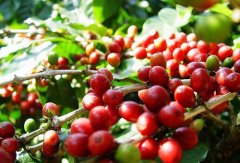
Coffee Nutrition composition Table the benefits of drinking Coffee
Coffee nutrition composition table contains 2.2 grams of moisture, 12.6 grams of protein, 16 grams of fat, 46.7 grams of sugar, 9 grams of cellulose, 4.2 grams of ash, 120 milligrams of calcium, 170 milligrams of phosphorus, 42 milligrams of iron, 3 milligrams of sodium, 20.12 grams of vitamin B20.12 grams, 3.5 milligrams of nicotinic acid, 1.3 grams of caffeine and 8 grams of tannins. Every 100 grams of coffee extract contains 99.5 grams of water, 0.2 grams of protein,
2016-05-31 Coffee nurturance sub-meter benefits coffee 100 grams coffee beans
Main components of coffee
Caffeine: has a particularly strong bitter taste and stimulates the central nervous system, heart and respiratory system. Moderate caffeine can also reduce muscle fatigue and promote digestive secretion. Because it promotes kidney function, it has a diuretic effect and helps the body expel excess sodium ions from the body. Too much caffeine can lead to caffeine poisoning. Tannin: Boiled tannin decomposes into pyrolytic acid,
2014-08-07 Coffee knowledge Coffee main ingredients Coffee encyclopedia
The ingredients in coffee
1. Caffeine has a particularly bitter taste, stimulating the central nervous system, heart and respiratory system. Moderate caffeine can also reduce muscle fatigue and promote digestive secretion. Because it promotes kidney function, it has a diuretic effect and helps the body expel excess sodium ions from the body. Too much caffeine can lead to caffeine poisoning. 2. Tannin When boiled, tannins decompose into pyrolytic acid.
2014-07-16 Coffee knowledge Coffee ingredients Coffee encyclopedia
The difference between ice drop (ice brewed) coffee and hot coffee with ice-coffee worm
There is an essential difference between ice-drop coffee and ice-cold coffee. Ice-drop (or ice-brewed) coffee and ice-cold or ice-cold coffee seem to be different in one word, but the two are essentially different in extraction and should not be confused. Ice drop (also known as ice brew) coffee is a coffee beverage extracted by soaking in water below 5 degrees Celsius for a long time at a low temperature. Iced coffee or iced coffee refers to quick extraction with hot water
2016-04-30 Ice drop ice brew coffee with ice difference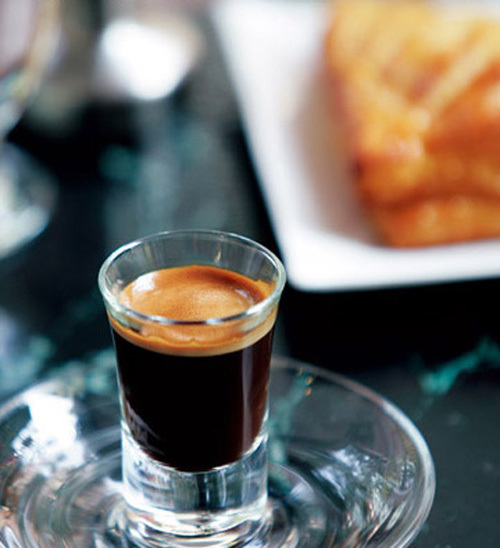
The Myth about the taste of Coffee-- discussion on the astringency in Coffee
The acidity of the cups made by the students is somewhat strong, and the acidity seems to be dissociated from the bitter taste, and the overall balance is greatly reduced, and it is mainly strong bitterness after the acid. At this time the problem came out several cups she felt obviously astringent taste, and I always think that this is not astringent taste but a combination of strong acid and bitter taste of a sour thorn. Explain for a long time, but I still can't.
2016-01-04 About coffee taste myth astringency discussion medium how
Coffee and Nutrition
Coffee contains a small amount of nutrients. Every 100 grams of coffee beans contain 2.2 grams of moisture, 12.6 grams of protein, 16 grams of fat, 46.7 grams of sugar, 9 grams of cellulose, 4.2 grams of ash, 120 milligrams of calcium, 170 milligrams of phosphorus, 42 milligrams of iron, 3 milligrams of sodium, 0.12 grams of vitamin B2, 3.5 milligrams of nicotinic acid, 1.3 grams of caffeine and 8 grams of tannins.
2014-08-15 Coffee knowledge Coffee and Nutrition Coffee Health
Coffee composition analysis, let you know more about coffee!
"Coffee composition analysis" 1."Caffeine": strong bitter taste. Stimulates the central nervous system, heart and respiratory system. Appropriate amount can reduce muscle fatigue, promote digestive juice secretion, promote kidney function, diuresis, discharge excess sodium ions in the body. A normal person's scientific daily coffee intake will not lead to excessive caffeine intake affecting normal life phenomenon! 2."Tannin acid": after boiling
2014-09-23 Coffee knowledge Coffee ingredients Understanding coffee
Coffee Common Sense The main ingredients of coffee
Caffeine: has a particularly strong bitter taste and stimulates the central nervous system, heart and respiratory system. Moderate caffeine can also reduce muscle fatigue and promote digestive secretion. Because it promotes kidney function, it has a diuretic effect and helps the body expel excess sodium ions from the body. Too much caffeine can lead to caffeine poisoning. Tannin: Boiled tannin decomposes into pyrolytic acid,
2014-09-17 Coffee knowledge coffee knowledge coffee ingredients coffee attention ingredients
The main ingredients of coffee basic knowledge of fine coffee
Caffeine: it has a particularly strong bitter taste and stimulates the central nervous system, heart and respiratory system. Appropriate amount of caffeine can also reduce muscle fatigue and promote digestive juice secretion. Because it promotes kidney function, it is diuretic and helps the body to expel excess sodium ions from the body. But eating too much can lead to caffeine poisoning. Tannic acid: boiled tannic acid will be decomposed into pyrouric acid
2015-10-22 Coffee main ingredients boutique basics common sense caffeine special strong bitter taste
Roasting baking
The average chemical composition of raw coffee beans is as follows: water 12%, nitrogen 12%, fat 12%, sugar and dextrin (dextrine) 10%, other non-nitrogen substances 18%, dust 4%, tannin 6.7%, caffeine 1.2%, coffee essential oil 0.1%. Of course, these data are not fixed, and the quantity of some of these ingredients varies greatly, which is why each kind of coffee is so different.
2014-07-04 Roasted coffee beans primitive coffee beans common sense of coffee beans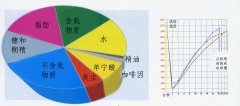
About baking
The average chemical composition of raw coffee beans is as follows: water 12%, nitrogen 12%, fat 12%, sugar and dextrin (dextrine) 10%, other non-nitrogen substances 18%, dust 4%, tannin 6.7%, caffeine 1.2%, coffee essential oil 0.1%. Of course, these data are not fixed, and the quantity of some of these ingredients varies greatly, which is why each kind of coffee is so different.
2014-08-04 Coffee knowledge coffee roasting coffee encyclopedia
Roasting roasted coffee
The average chemical composition of raw coffee beans is as follows: water 12%, nitrogen 12%, fat 12%, sugar and dextrin (dextrine) 10%, other non-nitrogen substances 18%, dust 4%, tannin 6.7%, caffeine 1.2%, coffee essential oil 0.1%. Of course, these data are not fixed, and the quantity of some of these ingredients varies greatly, which is why each kind of coffee is so different.
2014-09-28 Roasted coffee of coffee roasted coffee beans
The myth about the taste of coffee-- astringency
Today, the trainees were trained with Colombia, which was baked three days ago. These Colombians are beans grown in the Andes at an altitude of 1850 meters above sea level. Moderate baking gives full play to her balanced, soft taste and deep aroma, especially her acidity, which is a very tasteful acid. why is it tasteful? Because of
2014-09-11 Coffee knowledge coffee taste astringency
Arabica Coffee Filter Pot Kalita Filter Cup Coffee Cherry
Specialty coffee is also known as specialty coffee. It refers to coffee made from green beans with excellent taste characteristics grown in a few extremely ideal geographical environments. Depending on the particular soil and climatic conditions in which they are grown, they have outstanding flavors. This type of coffee is carefully selected and graded for its hard texture, rich taste and wind.
2016-06-28 coffee specialty noun introduction rabbi colander cali tower colander cup cherry
The active ingredient of coffee-- the secret that must be known.
Caffeine has a particularly bitter taste and stimulates the central nervous system, heart and respiratory system.
2014-08-29 Coffee knowledge coffee ingredients coffee active ingredients
Coffee beans roasting knowledge
The average chemical composition of raw coffee beans is as follows: water 12%, nitrogen 12%, fat 12%, sugar and dextrin 10%, other non-nitrogen 18%, dust 4%, tannin 6.7%, caffeine 1.2%, coffee essential oil 0.1%. Of course, these data are not fixed, and the amount of some ingredients varies considerably, which is why each coffee is so different.
2014-12-10 boutique coffee detail coffee beans roast knowledge original average
The production process and main ingredients of coffee
The coffee production process from the coffee fruit to the coffee in the cup requires a complex processing process. Coffee beans: peel the coffee beans from the coffee fruit. Roasting: is to cultivate the taste of coffee beans and mellow processing. The excellent roasting process allows the coffee beans to completely volatilize their unique taste and aroma. Grinding: grind roasted coffee beans into particles. Extract
2016-10-17 Coffee production process main ingredients coffee need