“tan” search results (1166)
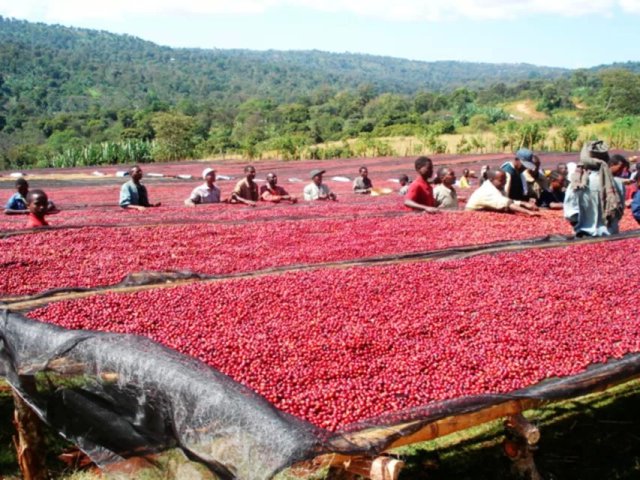
Treatment and cleaning of native coffee raw beans and roasted beans (sun, honey treatment) coffee beans
Tanning is a traditional method for the initial processing of coffee beans, and at present, almost all coffee-growing countries such as Ethiopia and Yemen still use solarization to treat raw beans. Sun treatment will first identify sunken beans in the sink, that is, ripe or half-ripe beans are spread in the drying farm for natural drying. The specific time depends on the local climatic conditions, which usually takes two to four weeks.
2016-04-25 Native coffee raw beans roasting solarization processing coffee beans cleaning tradition
High-quality coffee bean treatment method coffee raw bean Ethiopia Yega Xuefei coffee raw bean (in the sun
Tanning is a traditional method for the initial processing of coffee beans, and at present, almost all coffee-growing countries such as Ethiopia and Yemen still use solarization to treat raw beans. Sun treatment will first identify sunken beans in the sink, that is, ripe or half-ripe beans are spread in the drying farm for natural drying. The specific time depends on the local climatic conditions, which usually takes two to four weeks.
2016-04-25 Boutique coffee beans processing methods coffee raw beans Ethiopia Yega Sheffield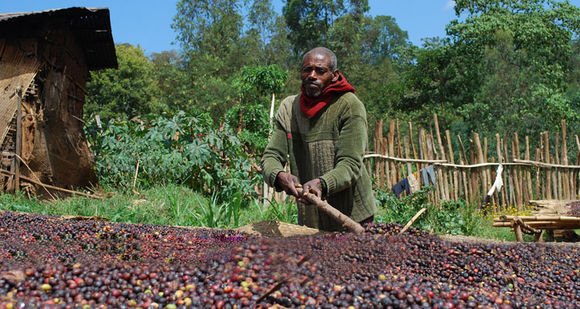
The first processing method of fine coffee sun water honey treatment coffee raw bean treatment what is sun water washing
Tanning is a traditional method for the initial processing of coffee beans, and at present, almost all coffee-growing countries such as Ethiopia and Yemen still use solarization to treat raw beans. Sun treatment will first identify sunken beans in the sink, that is, ripe or half-ripe beans are spread in the drying farm for natural drying. The specific time depends on the local climatic conditions, which usually takes two to four weeks.
2016-04-25 Boutique coffee primary processing method solarization washing treatment raw beans what
The first processing of coffee-- insolation
This is Costa Rica drying coffee beans on a tanning bed.
2014-05-27 Coffee knowledge Coffee Encyclopedia
Japanese cafes are full of tricks to cope with fierce competition
For Japanese comic book fans, the comic book cafe should be the best hideout.
2014-06-05 Coffee News Japanese Cafe Japanese Coffee Market
The origin of coffee trees basic knowledge of coffee
The earliest origin of coffee trees is recognized by botanists and the industry as Kaffa province in Ethiopia. Ethiopia is located in the landlocked country of northeast Africa, with many lakes, rivers and rich water resources, which is called the East African Water Tower. The name of the country comes from the Greek word for tanned faces and land inhabited by suntanned people.
2015-04-23 Coffee origin basics common sense coffee tree earliest botanist karma
Coffee processing sun-dried bean flavor Ethiopia Sidamo Sidamo Guji Shaqi
Tanning is a traditional method for the initial processing of coffee beans, and at present, almost all coffee-growing countries such as Ethiopia and Yemen still use solarization to treat raw beans. Sun treatment will first identify sunken beans in the sink, that is, ripe or half-ripe beans are spread in the drying farm for natural drying. The specific time depends on the local climatic conditions, which usually takes two to four weeks.
2016-04-14 Coffee processing way Solar beans Flavor Ethiopia Dharma Sid
The Prairie Elf of Ethiopia-Yirgacheffee
The Ethiopian prairie elf, Yirgacheffee, is located in Ethiopia in East Africa, which means the land inhabited by people tanned by the sun in ancient Greek. Ethiopia's unique cultural tradition, spectacular scenery, pleasant climate, rich animal and plant resources, important places of interest, hospitality and friendly people make it the main tourist destination in Africa.
2016-05-17 Ethiopia Prairie Elves Yega Chefe Yirgacheffee
FST Santa Teresa Manor Coffee Fine Coffee FST St. Teresa Manor Coffee production area
Do you remember the last issue of the tanning / wine-treated Panama of Hartman Manor? At that time, when we introduced Hartman Manor, we also mentioned St. Teresa Manor near Hartman Manor. And then this issue just happens to have a chance for us to get this washed bean from St. Teresa's Manor!
2016-05-27 FST Saint Resa Manor Coffee boutique producing area everyone first issue
Esmeralda, the famous Emerald Manor of Panama
This bean comes from Esmeralda, the very famous Panamanian emerald estate, which, yes, appears most frequently before the name of the Panamanian rose summer, while this tanned Blue Sapphire grows on the outskirts of Canastis and Haramilokat, 1400 meters on the Panamanian plateau. The very rich volcanic soil in this area is naturally used to grow this beauty.
2016-08-03 Famous Panama Emerald Manor Ace Mela beans from very famous
The method of taking beans and sun treatment in the primary processing of coffee beans
Tanning is a traditional method for the initial processing of coffee beans, and at present, almost all coffee-growing countries such as Ethiopia and Yemen still use solarization to treat raw beans.
2014-06-18 Coffee knowledge coffee bean processing sun treatment
Yega Xuefei G1
English name: Ethiopia, Wote Konga, Natural Yirgacheffe G.1 Commodity Specification: 227g Coffee country: Ethiopian Coffee producing area: Konga Wote growing altitude: above 1850m Coffee Variety: traditional Yega native species Coffee Grade: Grade 1 treatment method:
2014-08-14 Yega Xuefei G1 boutique Yega Xuefei Yega Xuefei G1 coffee beans
Coffee sun treatment which kinds of coffee beans are suitable for sun treatment
A brief introduction to the treatment of raw coffee beans solarization is a traditional method of primary processing of coffee beans. at present, almost all coffee beans are treated by solarization in ancient coffee-growing countries such as Ethiopia and Yemen. Sun treatment will first identify sunken beans in the sink, that is, ripe or half-ripe beans are spread in the drying farm for natural drying. The specific time depends on the local climatic conditions
2016-07-22 Coffee sun treatment which coffee beans type suitable use method coffee
Cta Amber Coffee
Cta Amber Coffee is the most famous coffee in Cuba.
2014-06-18 Coffee knowledge Amber Coffee Coffee Encyclopedia
Rich citrus and pulp in Tchembe N2 L7Yirgacheffe (Yega Snow) producing area
Origin of the name: although the 2013 Tchembe is made from Yega Chet, it is named after haricho and bolo coffee from the Amaro Mountains, which are tanned with carob and banana flavors. Tchembe coffee has a thick feel similar to clay and chocolate, as well as rich layers of citrus and berry flavors. Ninety of origin + Ethiopia
2016-07-12 Clinique Tchembe L7Yirgacheffe Yega Snow
The History and Culture of Cuban Coffee
In 1748, coffee was introduced into Cuba from Dominica, and Cuba began to grow coffee ever since.
2014-06-12 Coffee Culture Cuban Coffee History Coffee Encyclopedia
Introduction to the characteristics of Yega Xuefei Fine Coffee Bean Flavor Manor
The traditional way of tanning in Ethiopia is rough and smelly, so it is popular.
2016-08-16 Yuyun Sweet Yega Chevy Fine goods Coffee beans Flavor Taste Manor producing area
Introduction to the flavor and taste characteristics of Yejasuffi Coffee Manor in Yuyun
The traditional way of tanning in Ethiopia is rough and smelly, so it is popular.
2016-08-08 Yuyun Sweet Yega Chevy Coffee Manor producing area Flavor palate characteristics
Cuban Crystal Coffee with Coffee beans treated in two ways
In Cuba, the vast majority of coffee beans are picked by hand. Coffee beans are picked about every half a month during the ripening period. During or after picking, coffee beans are classified and those immature and bad beans are removed to ensure the quality of the coffee. Cubans usually deal with coffee beans in two ways: sun exposure and water washing. Sunbathing is the simplest and most.
2016-07-02 Use two ways treatment coffee beans Cuba crystal coffee introduction boutique
Clean and meticulous Cuban crystal coffee introduces boutique coffee beans
In Cuba, the vast majority of coffee beans are picked by hand. Coffee beans are picked about every half a month during the ripening period. During or after picking, coffee beans are classified and those immature and bad beans are removed to ensure the quality of the coffee. Cubans usually deal with coffee beans in two ways: sun exposure and water washing. Sunbathing is the simplest and most.
2016-07-04 Taste clean meticulous boutique Cuba crystal coffee introduction coffee beans