“sun” search results (9750)

Ethiopian coffee producing area of Sidamo
According to the above four different modes of production, Ethiopian coffee can be divided into nine major coffee producing areas, including five boutique coffee areas: Sidamo, Yegashefi, Harald, Lim and Lekampu. and four general commercial bean producing areas: Gemma, Irugbo, Tibby and Bekaa. The sun or water washing methods are used in each district, and different treatment methods also affect the flavor.
2015-10-22 Ethiopia Coffee Xida producing areas according to the above
Today, coffee prices are free across the country. Ethiopia Sun Yega Chefe aricha Yejia Xuefei G1
Ethiopian Yirgacheffe Aricha G1 country: Ethiopia grade: G1 production area: Gediyo altitude: 1900-2100 m treatment: sun varieties: original species producer: Kebel Aricha flavor: light fermented wine, sweet tangerine, spices, honey sweet this batch of Yega Xuefei is produced in the Kebel Aricha treatment plant, there are about 650-70 nearby
2016-04-21 Today coffee price national free delivery Ethiopia sun Yega Sheffield
The so-called 'yejia sherry' refers to the rich jasmine flowers, lemon and peach, almond sweet
Sun-baked yeka coffee, beans are small and neat short round shape, Ethiopian sun-baked beans are generally G3-G5, but this bean is G2, equal to the grade of washed beans, although there are still a few defective beans, but compared with Harald and Sidama sun-baked beans, is valuable. 2015 Sun-baked yeja sherphine, already G1 grade, exceeds G1 wash in quality and appearance. This bean is baked
2016-09-01 the so-called yega and sherphine refer to rich jasmine floral lemon and peach.
[boutique Coffee] the taste of Ariga Aricha G1 first love in Ethiopia Yega Xuefei sun
Recently, the most popular Yega Xuefei is the blue Nile G1 found by Maoye. Maoye remembers that it arrived on August 1. As a result, it took only half a month to place an order with Taiwan. Unfortunately, there is no more stock in Taiwan, and now there is almost nothing left in the hands of the Blue Nile Cat, which makes him feel very lost, just like the United States.
2014-06-06 Fine coffee tasting coffee gourmet food
Ethiopian Sun Yega Chuefei boutique Coffee G1 Yega Snow Coffee aricha Coffee introduction Coffee
Yega Xuefei is produced at the Kebel Aricha processing plant, where there are about 650,700 small coffee farmers who send ripe coffee berries here for processing in exchange for cash. After the treatment plant selects the available berries, they are directly exposed to the sun on the scaffolding and are turned every 2-3 hours in the first few days to prevent overfermentation. After four to six weeks of sun exposure, workers will look at the weather and temperature.
2016-03-30 Ethiopia Sunshine Yega Sheffield Fine goods Coffee Grade Ye Jiaxue ari
Xidamo producing area Coffee in China Coffee Network
According to the above four different modes of production, Ethiopian coffee can be divided into nine major coffee producing areas, including five boutique coffee areas: Sidamo, Yegashefi, Harald, Lim and Lekampu. and four general commercial bean producing areas: Gemma, Irugbo, Tibby and Bekaa. Sun or water washing methods are used in each district, and different treatment methods also affect
2016-04-20 Xida producing area China Coffee Fruit Acid Ethiopia according to the above
Where was the sun-dried bean coffee first discovered in Elida Manor, Panama?
At present, in addition to Catuai, Typica and Bourbon, the Lamastus family also began to plant Geisha varieties a few years ago. In spite of this, Elida Manor used Catuai in all the batches of the Best of Panama competition, but achieved good results again and again, which shows the excellent quality and special flavor of coffee brought by its geographical environment and excellent postharvest treatment technology. This batch
2016-06-13 Panama Elida Manor Sun Coffee earliest which country found at present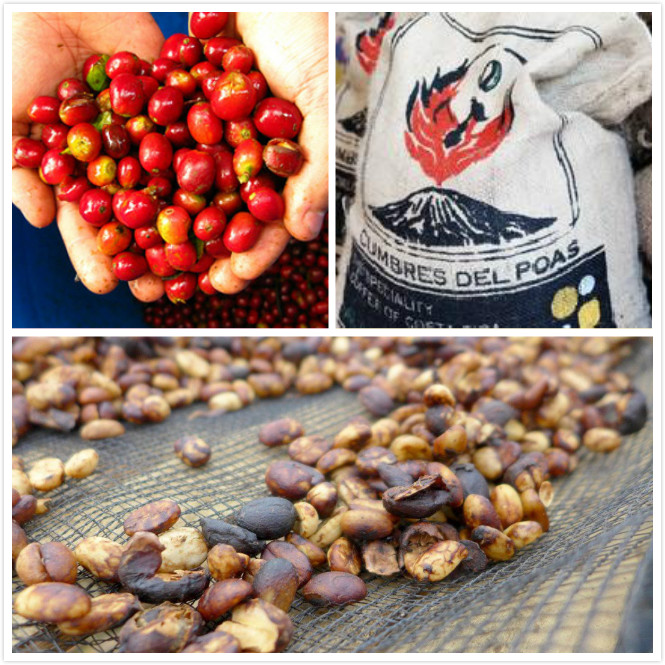
How to treat green coffee beans? Sunlight treatment Ethiopia Sunlight Ye Jia Xue Fei Ye Jia Xue Fei G1
Solarization is a traditional method of primary processing of coffee beans, and ancient coffee growing countries such as Ethiopia and Yemen still use solarization almost exclusively for raw beans. Sun-drying begins by spreading tank-identified beans, ripe or semi-ripe, on a drying ground. The exact time depends on local climatic conditions, and generally takes two weeks to four weeks.
2016-04-25 coffee green beans processing method sun ethiopia yega sherry
Sun Yega Shifeiwaka Coffee is the native species of which country-flavor description
Yega Xuefei uses the oldest sun treatment method, but in 1972, Ethiopia introduced Central and South American water washing technology to improve its quality, which made its jasmine and citrus fragrance clearer and more refined, and became one of the best beans in the world. Superb washing technology played an important role. After the 1970s, it was basically washed by water. However, in the past two years, Yega Snow has been out of order.
2016-09-19 Sun Yega Sheffield Waka Coffee which country of production Native Flavor description
Sidamo Sun Lion King Ethiopian Coffee beans
Ethiopia is the country where coffee was first discovered. Today, there is still a lot of wild coffee for farmers to harvest in the primeval forest. Ethiopia is a country with poverty, drought and civil war, but it is still the most important coffee producer in terms of coffee quality and output, and it is also the best and top coffee producer in the past year or two. Ethiopian coffee can be divided into two treatments. Water washing
2016-05-14 Dharma Sun Lion King Ethiopia Coffee beans Yesso Pia Coffee most
What is the difference in the taste of exactly the same coffee beans between washing and tanning?
Tanning is a traditional method for the initial processing of coffee beans, and at present, almost all coffee-growing countries such as Ethiopia and Yemen still use solarization to treat raw beans. Sun treatment will first identify sunken beans in the sink, that is, ripe or half-ripe beans are spread in the drying farm for natural drying. The specific time depends on the local climatic conditions, which usually takes two to four weeks.
2016-04-25 Completely similarly coffee beans water washing treatment sun taste there will be how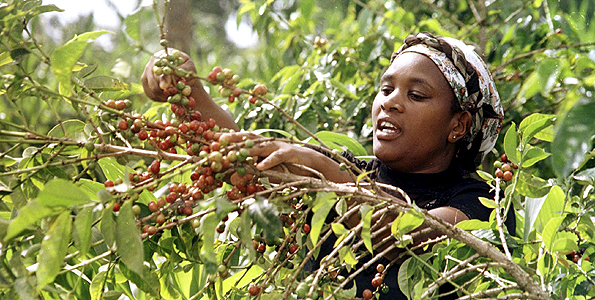
Ethiopian Sidamo Sun treatment Lion King Fine Coffee beans Ethiopian Sidama Black Coffee
The coffee flavor of Sidamo is very diverse, and the different soil types, microclimate and countless native coffee species make the coffee produced in each town have obvious differences and characteristics. In 2010-12, it won three consecutive high marks from coffee review 92 to 94, which shows the extraordinary value of raw beans in this area! Domestic horizontal
2016-03-28 Ethiopia Dharma tanning processing Lion King boutique coffee beans Yuso than
Where does Ethiopian coffee come from in Sidamo, Ethiopia? Ethiopia
According to the above four different modes of production, Ethiopian coffee can be divided into nine major coffee producing areas, including five boutique coffee areas: Sidamo, Yegashefi, Harald, Lim and Lekampu. and four general commercial bean producing areas: Gemma, Irugbo, Tibby and Bekaa. The sun or water washing methods are used in each district, and different treatment methods also affect the flavor.
2016-03-16 Ethiopia coffee Xida producing area from where
White grape juice, refreshing sun Yega Chuefeiwaka flavor, characteristics, taste and villa
The bean comes from a single farm, Ethiopia, and is processed by the Waka Cooperative (Worka cooperative). Alemayehu Alako Farm is a member of the Waka Cooperative. The Waka Cooperative, located in the south of Gedeb District, was founded in 2005 and joined the famous Yejia Sheffield Coffee Farmers Cooperative Union (YCFCU,Yirgacheffe Coffee Farmers Cooperati).
2016-08-31 Grape juice refreshing sun Yega Chevrolet Wauka flavor specialty taste this one
Introduction to the characteristics of Yega Shifeiwaka Coffee Flavor Coffee producing area
The beans are small, neat and round. Ethiopian sun beans are generally G3--G5, but the beans are G2, equal to the grade of washed beans. Although there are still a few defective beans, they are commendable compared to the sun beans of Harald and Sidamo. The 2015 sun Yega snow caffeine has appeared in the G1 grade, surpassing the G1 washing in terms of quality and sales. This bean is baked
2016-09-24 Yega Sheffield Wauka Coffee Flavor Variety producing area characteristics Fine goods Coffee beans
Introduction to the characteristics of fruity flavor varieties of Yega Chuefei Aduodo coffee
There is a strict standard for collecting red fruits (as a result of coffee trees). Before exposure to coffee fruits, unripe green fruits or defective fruits are removed manually, and damaged or moldy fruits are removed during the sun drying process. after two weeks, the flesh sugar and essence seeped into the coffee beans, the water content was reduced to 12%, and then scraped off the hardened pulp, pectin layer and pods with a planer to remove the coffee.
2016-09-18 Fruity full-bodied Yega Sheffield blossoming coffee flavor variety producing area characteristics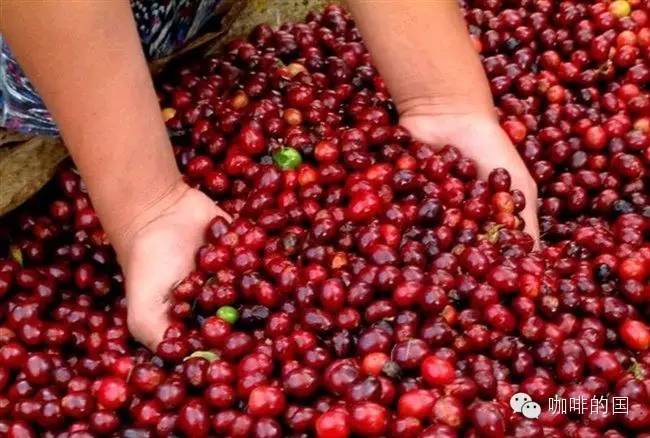
African Coffee Ethiopia Sidamo Sun treatment Lion King Ethiopia Sidama Black Coffee
Ethiopian Sidamo Lion King Natural country: Ethiopia level: G1 production area: Guji planting altitude: 1800-2000m soil species: volcanic laterite annual rainfall: 1100-1200 cm treatment method: sun varieties: local native species (Heirloom) treatment field: Sirsa cooperative bean specification: 17-18 mesh flavor: jasmine, honey, mandarin
2016-03-25 Africa Coffee Ethiopia Dharma Sun processing Lion King Esso Biya
Qianjie Cafe Ethiopia Ardi Yadi processing Plant Solar Sidamo G1
Coffee beans details: country: Sidamo, Ethiopia: G1 production area: Michicha, Kelenso Moconissa town, Guji micro production area, baking degree: light baking method: scaffolding sun varieties: Heirloom processing plant: Ardi flavor: berries, berries, jackfruit, white grape acidity, berry aftertaste [factory introduction] in Sidamo for several years
2015-02-13 Front Street Cafe Ethiopia Ardi Yadi processing Plant Sun Dharma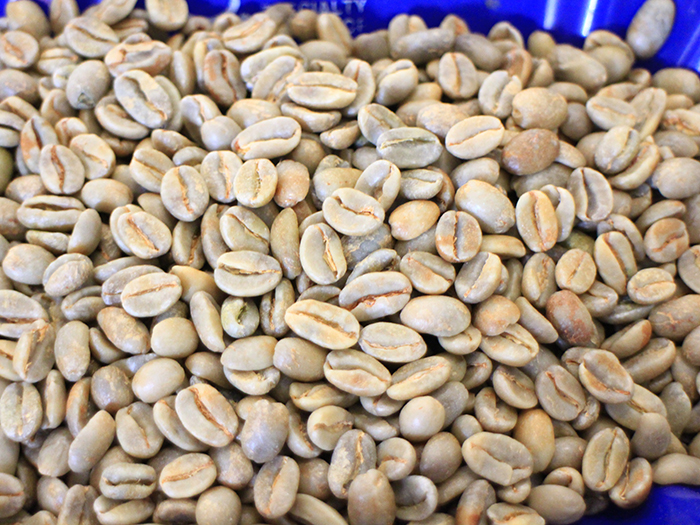
Ethiopia unbaked Yega Sheffield Erika boutique coffee raw beans sun-dried aricha2015 new beans
This batch is produced at the KebelAricha processing plant, where there are about 650,700 small coffee farmers who send ripe coffee berries here for processing in exchange for cash. After the treatment plant selects the available berries, they are directly exposed to the sun on the scaffolding and are turned every 2-3 hours in the first few days to prevent overfermentation. After four to six weeks of sun exposure, the workers will look at the weather
2016-04-13 Yesso Biya Baking Yega Sheffield Ari Fine goods Coffee Raw beans Solar
How should coffee beans be treated? coffee washing and tanning?
Coffee beans harvested in the sun must immediately enter the treatment process, otherwise they will begin to ferment and produce a peculiar smell. There are two methods of treatment, the sun method and the water washing method. The beans of the sun method have a complete natural mellow taste, and the coffee beans with gentle aroma and more glue must enter the treatment program immediately, otherwise they will begin to ferment and make the coffee beans smell peculiar.
2016-06-04 Coffee beans should how carry out processing coffee washing sun drying