“subspecies” search results (232)

What are the three primary coffee species?
Liberian: West Africa is the origin of Liberian coffee. It has strong adaptability to various environments such as high temperature or low temperature, humidity or dryness, etc., except for leaf rust resistance, and its flavor is worse than Arabica, so it is only traded domestically in some West African countries (Libya, Cote d'Ivoire, etc.) or planted for research. circulating in world markets
2016-06-15 Coffee Big Three Native
Introduction of coffee bean producing areas in other coffee producing areas of Ethiopia
Iron ratio to Bebeca: the iron ratio is 1000 to 1900 meters above sea level and 900 to 1200 meters above sea level. Located on the edge of the Kafa forest, these two areas are the lowest coffee-producing areas in Ethiopia, dominated by bulk commercial beans or formula beans. Tiebi also has a lot of wild coffee. Coffee in this area is seldom used as boutique or single bean. Kinby and Lekampi: Lim is heading northwest, but
2015-02-12 Ethiopia coffee other producing areas coffee beans introduction Tiebi Beibei Bei.
Introduction to the grading system of Yejiaxuefei Coffee beans the characteristics of G1 flavor and taste of Yejiaxuefei coffee beans
Yega Xuefei Coffee rating Plan can be divided into five levels: Ethiopian beans are easily recognizable. Most of the beans are small and pointed long beans, the so-called longberry, and often mixed with small oval-shaped short beans, the so-called shortberry, looks uneven in size and uneven in appearance
2022-08-30 Yega Chevy Coffee beans grading characteristics Coffee rating Planning
Grade analysis of Ethiopian coffee beans how to choose siphon coffee maker
Ethiopian coffee has the highest citrus aroma in the world. Whether instant coffee or freshly ground coffee, the aroma of orange or lemon can be smelled during extraction. The nose is characterized by strong floral, fruity, sour and sweet aromas, but the alcohol is slightly thicker or less dense. The biggest disadvantage is that it is easy to bake unevenly, especially sun-dried beans. Even the best Grade3 Harald sun-dried beans
2016-06-05 Ethiopia coffee beans grades analysis siphon coffee pot what Essiobi
Grade Analysis of Ethiopian Coffee beans
Ethiopian coffee beans are divided into five levels. The first and second stages are washed beans. Washed beans Grade1 represents 3 defective beans per 300g raw beans, and Grade2 represents 4 defective beans per 300g. Gradc1 grade water washed beans are very rare and are generally difficult to buy. At present, all the washed beans exported from Ethiopia are Grade2 grade. The quality of sun-dried beans is Grade3 and Grad in order.
2016-05-22 Ethiopia Yega Sheffield Coffee Coffee beans Grade Analysis
What are the main types of coffee trees?
The main species of coffee trees: Liberian species, namely large-grained species, native to Liberia in Africa, as well as Malaysia and other few countries. Its cultivation history is slightly shorter than the other two coffee trees. Liberian coffee trees are suitable for growing in lowlands. Its trunk is high and strong, it is 18 meters high, its leaves are large and tough, and its fruits and coffee beans are also very large. Its seed coat is close to the kernel.
2016-05-26 Coffee varieties which main species coffee major Libby subspecies
The three native species of coffee, the main varieties of Colombian coffee.
Varieties resistant to leaf rust found in Congo, Africa, teach Arabica species to be more resistant to the disease. People like to compare the robusta species to the Arabica species of coffee. In fact, the robusta species was originally a mutant of the Congolese species (scientific name Cofffea canephora), so it is the Congolese species that should be compared with the Arabica species. To this day, however, Robusta species
2016-05-27 Coffee three native Colombian major variety Africa Congo found tolerance
Introduction to the flavor and taste of Arabica coffee manor in Indonesia
Varieties resistant to leaf rust found in Congo, Africa, teach Arabica species to be more resistant to the disease. People like to compare the robusta species to the Arabica species of coffee. In fact, the robusta species was originally a mutant of the Congolese species (scientific name Cofffea canephora), so it is the Congolese species that should be compared with the Arabica species. To this day, however, Robusta species
2016-07-20 Indonesia Rabbi Coffee Manor producing area Flavor taste introduction Africa
Introduction to variety classification of Ethiopian coffee beans by description of taste and flavor
Ethiopian coffee classification Ethiopian beans are easy to recognize, mostly small and pointed long beans, known as longberry, and often mixed with small oval-shaped short beans, called shortberry, look uneven in size and appearance. The commercial bulk beans of Grade4 or Grade5 are mostly mixed with hundreds of different crystal seeds in different producing areas, so the bean phase
2016-10-24 Ethiopia coffee beans species taste flavor description treatment varieties classification
Fine coffee learn the production process of coffee beans
A coffee tree can harvest 3-5 kg of fruit, and raw coffee beans account for 1. 5% of the fruit quality. Going from fruit to raw coffee beans is really a time-consuming and laborious task. Arabian, Robusta and Librian Arabian coffee account for about 2% of the world's coffee production. The plant is not suitable for high temperature, low temperature, more rain and less rain. Coffee beans are oval flat and have a high height.
2014-11-27 Boutique coffee coffee beans production process one tree can harvest 3-5
The citrus flavor can be called the best Ethiopian coffee in the world.
Even the official research unit of Ethiopia does not know how many Arabica subspecies there are in Ethiopia. The coffee cooperatives in this mountain are certainly different from those planted in another mountain, and even small farmers in the same region grow different varieties of coffee. It has been estimated that there are at least 2000 varieties of Ethiopian coffee and even more than 4500 kinds of coffee. Compared to the southern neighbor Ken
2016-06-28 Citrus fragrance can be called the world's best Ethiopia coffee introduction boutique
Introduction to the Coffee Flavor description Variety characteristics of Citrus-flavored Coffee in Shaquiso, Ethiopia
Even the official research unit of Ethiopia does not know how many Arabica subspecies there are in Ethiopia. The coffee cooperatives in this mountain are certainly different from those planted in another mountain, and even small farmers in the same region grow different varieties of coffee. It has been estimated that there are at least 2000 varieties of Ethiopian coffee and even more than 4500 kinds of coffee. Compared to the southern neighbor
2016-10-07 Citrus aroma Ethiopia Shaquiso producing area coffee flavor description variety
Coffee Common sense Coffee Bean Grade Analysis in Ethiopia
Ethiopian coffee beans are divided into five levels. The first and second stages are washed beans. Washed beans Grade1 represents 3 defective beans per 300g raw beans, and Grade2 represents 4 defective beans per 300g. Gradc1 grade water washed beans are very rare and are generally difficult to buy. At present, all the washed beans exported from Ethiopia are Grade2 grade. The quality of sun-dried beans is Grade3 and Grade4 in order.
2015-02-11 Coffee common sense Ethiopia coffee beans grade analysis coffee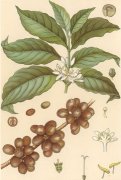
Boutique Coffee Wave: coffee lovers must master the common sense of coffee
Love coffee, let's get together. In plant taxonomy, coffee belongs to the Genus Coffea family of Rubiaceae, and there are at least a hundred varieties of coffee under it. The more common coffee is Arabica (Arabica, elegant flavor, is the main boutique coffee) and Robusta (or thick beans, rough flavor, high caffeine content, not boutique coffee)
2015-09-09 Boutique coffee tide enthusiast must master common sense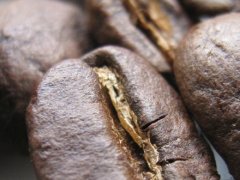
Three native species of coffee, Liberian species, Robusta species, Arabica species.
Coffee, we generally refer to the finished product: the coffee we drink, also refers to coffee beans. Coffee belongs to the evergreen shrub of the genus Coffee of Rubiaceae. Coffee has some medicinal effects, such as waking up the brain, strengthening the stomach, stopping bleeding, dissipating heat, strengthening the body, etc., hee hee, if anyone is blinded by love, have a cup of coffee to wake up! There are about 40 species of coffee plants, but they can produce commercially valuable
2015-06-05 Coffee three native Libby subspecies Robes Booth seed rabbi card species
An introduction to the Flavor description of the Manor in Xidamo Shachiso, Ethiopia
Ethiopian beans are easily recognizable, mostly small and pointed long beans, known as longberry, and often mixed with small oval-shaped short beans, called shortberry, which look uneven in size and appearance. The commercial bulk beans of Grade4 or Grade5 are mostly mixed with hundreds of different crystal seeds in different producing areas, so the phenomenon of uneven bean phase is the most obvious.
2016-10-09 Ethiopia Dharma Shaquiso producing area flavor description manor characteristics introduction
Description of Coffee Flavor in Xidamo Shaqiso, Ethiopia, introduction to the price of grinding degree and baking degree
Even the official research unit of Ethiopia does not know how many Arabica subspecies there are in Ethiopia. The coffee cooperatives in this mountain are certainly different from those planted in another mountain, and even small farmers in the same region grow different varieties of coffee. It has been estimated that there are at least 2000 varieties of Ethiopian coffee and even more than 4500 kinds of coffee. Compared to the southern neighbor
2016-10-15 Ethiopia Dharma Shaquiso producing area Coffee Flavor description Grinding Baking
Introduction of Ethiopian Coffee beans Grade Analysis of Ethiopian Coffee beans
Ethiopian coffee beans are divided into five levels. The first and second stages are washed beans. Washed beans Grade1 represents 3 defective beans per 300g raw beans, and Grade2 represents 4 defective beans per 300g. Gradc1 grade water washed beans are very rare and are generally difficult to buy. At present, all the washed beans exported from Ethiopia are Grade2 grade. The quality of sun-dried beans is Grade3 and Grad in order.
2016-04-30 Ethiopia coffee beans introduction grading analysis points
Introduction to Ethiopian coffee beans with mostly small grains and long, pointed beans
Ethiopian beans are easily recognizable, mostly small and pointed long beans, known as longberry, and often mixed with small oval-shaped short beans, called shortberry, which look uneven in size and appearance. The commercial bulk beans of Grade4 or Grade5 are mostly mixed with hundreds of different crystal seeds in different producing areas, so the phenomenon of uneven bean phase is the most obvious.
2016-06-21 Mostly smaller and mature thin pointed long Ethiopia coffee beans introduction
The three primary species of Ethiopian coffee
About 65% of coffee circulating in the world market is Arabica: according to ICO (International Coffee Organization) statistics, excluding the domestic transactions of coffee producing countries, about 65% of coffee circulating in the world market is Arabica and 35% is Robusta. Arabica is characterized by elongated and flattened particles, and Robusta coffee beans are rounded. But if you add a
2016-09-20 Ethiopia Coffee Big Three Origin Region Flavor Taste Introduction