“solarization” search results (960)

Brief introduction of main producing areas of Ethiopian Coffee
Hara (Harar) / Solar or dried (Sundried/Dry-Processed) Hara is located in the Eastern Highlands of Ethiopia (Harerge Province) and grows between 5000 and 7000 feet above sea level. It was still wild on slopes a century ago. Most of the raw beans are medium size and have long tips at both ends, with a yellowish or golden green color and strong chocolate when baking.
2016-04-30 Ethiopia Coffee main producing area profile Hara Harar Solar
Treatment of Coffee Fruit and Coffee beans
The solarization process can also be called a natural process, which is basically the oldest, simplest, and requires the least mechanical tools. The first step is to sort and clean it up first. Immature, overripe, damaged coffee fruits will be singled out first. At the same time, the branches, leaves, mud and stones mixed in the fruit will also be removed. Sieves are usually used to deal with this preliminary
2015-04-16 Coffee fruit coffee beans treatment sun exposure process also known as nature.
The processing method in coffee beans what is the Italian processing process and the special characteristics of the finished product flavor description?
Coffee treatment: let's analyze each raw bean treatment method one by one: 1. The process of natural solarization (Natural/Dried-in-the-Fruit) is the simplest. The fruit begins the process of sun drying without treatment after picking. This is the oldest method of treatment in existence. This method is still used in places such as Ethiopia and Brazil. Natural day
2016-10-19 Coffee beans medium processing solarization what is it Italian style process finished product wind
Two methods for the treatment of high-quality coffee beans
After harvest, the fruit must immediately enter the treatment process, otherwise it will begin to ferment, making coffee beans have a bad smell. There are two methods of treatment: solarization and water washing, which will cause different flavors. Sun-dried beans have a complete natural mellow flavor, gentle aroma and more gum; the washing law has a good mellow taste, a high aroma and a certain sour taste. The mellow taste is strong
2015-04-21 Boutique coffee beans two kinds treatment method harvest after fruit must immediately
What are the treatment methods of raw coffee beans?
The process of natural solarization is the simplest. The fruit begins the process of sun drying without treatment after picking. This is the oldest method of treatment in existence. This method is still used in places such as Ethiopia and Brazil. Natural solarization is most common in areas where water resources are scarce. The drying process usually lasts about 4 weeks. The way to deal with it must be very
2016-08-09 Coffee raw beans treatment methods which natural sun this method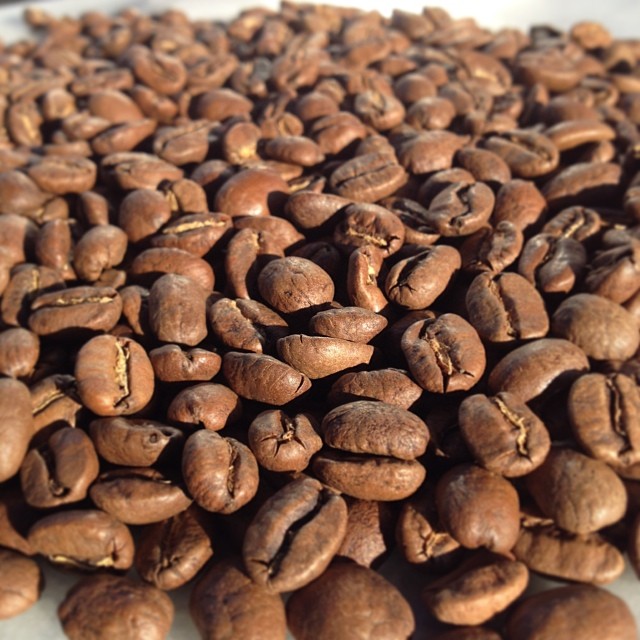
Natural fermentation and Solar Ethiopian Coffee Flavor, characteristics, texture and Manor introduction
Ethiopia has unique natural conditions suitable for growing all imaginable varieties of coffee. As a upland crop, Ethiopian coffee beans are mainly grown in areas between 1100 and 2300 meters above sea level, roughly distributed in southern Ethiopia. Deep soil, well drained soil, weakly acidic soil, laterite and soil are soft and contain
2016-08-30 Natural fermentation Solar Ethiopia Coffee Flavor characteristics Taste Manor
Variety characteristics of fermented Natural Solar Ethiopian Coffee introduction to Fine Coffee Bean in Manor
Ethiopia has unique natural conditions suitable for growing all imaginable varieties of coffee. As a upland crop, Ethiopian coffee beans are mainly grown in areas between 1100 and 2300 meters above sea level, roughly distributed in southern Ethiopia. Deep soil, well drained soil, weakly acidic soil, laterite and soil are soft and contain
2016-09-02 Fermentation Natural Solar Ethiopia Coffee varieties characteristics Taste Manor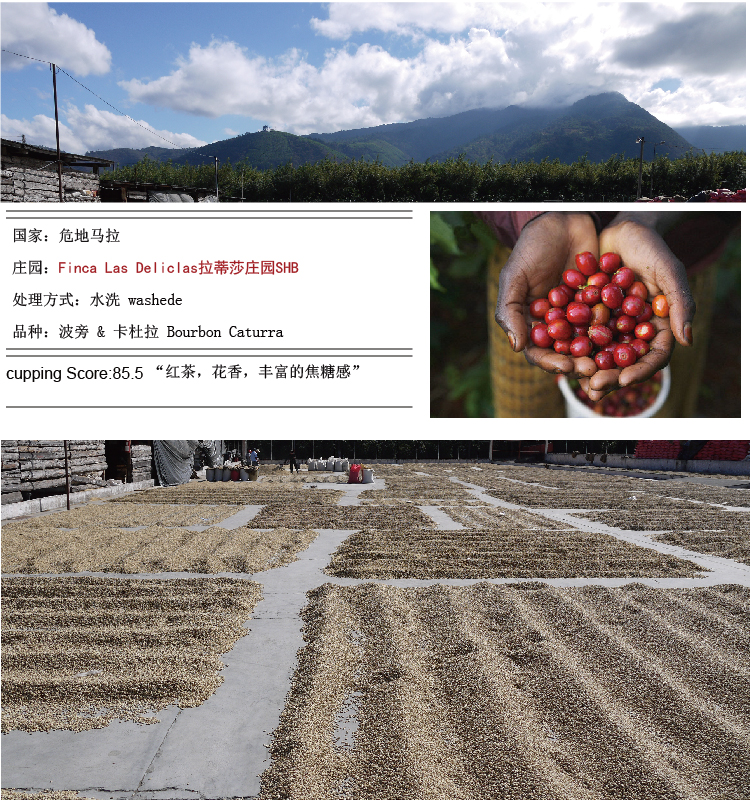
Please introduce the raw bean treatment method of coffee washing, semi-washing, sun drying and honey treatment.
The first is dry treatment (secado), also known as natural all-day exposure (natural). After the coffee fruit is actually picked, it is dried directly in the sun. According to the weather conditions, it is generally necessary to dry the coffee beans for 2 weeks to reduce the water content of the coffee beans to 10%, 12%, and then use a machine to remove the dried peel and pulp. The raw bean processing plant (beneficio) usually keeps the outside of the coffee beans when the raw beans are stored.
2016-04-14 Introduction Coffee Water washing Solar treatment Raw beans one secado
Dry treatment (natural full sun treatment), wet treatment (water washing and fermentation), semi-washing of coffee beans
Dry treatment (secado), also known as natural all-day exposure (natural). After the coffee fruit is actually picked, it is dried directly in the sun. According to the weather conditions, it is generally necessary to dry the coffee beans for 2 weeks to reduce the water content of the coffee beans to 10%, 12%, and then use a machine to remove the dried peel and pulp. The raw bean processing plant (beneficio) usually retains the parchment paper shell (par) on the outside of the coffee bean when the raw bean is stored.
2015-11-04 Coffee beans processed Natural Solar washed fermented treated secado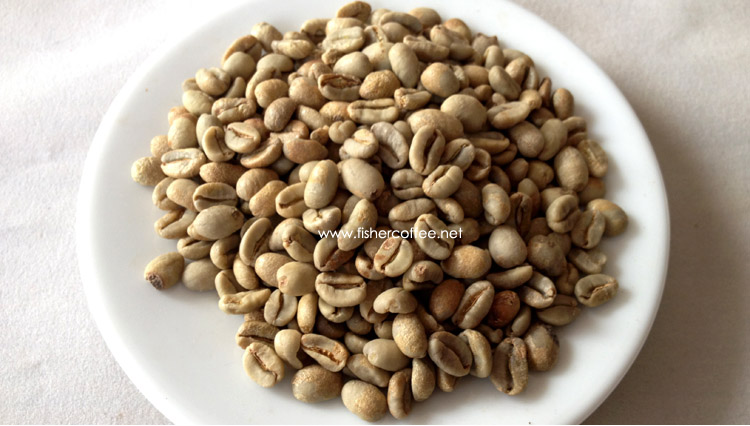
Production area and treatment method of Maggie Coffee Bean in Summer Banji, Ethiopia
English name: Ethiopia Banji Maggie Rose Summer Coffee beans English name: Ethiopia Bench Maji Gesha Estate Commodity Specification: 227g Coffee country: Ethiopian Coffee producing area: Bench Maji Coffee Farm: Gesha Estate growth altitude: 1450-1600 m Coffee beans: Gesha,Typica treatment: exquisite Solar (on the scaffolding)
2016-03-07 Ethiopia Bangui Maggie Solar Rose Summer Coffee beans producing areas processing
Treatment of coffee beans Coffee beans treated with honey
We know that the three treatment methods of raw coffee beans can be divided into three types. The distinction between each method is based on the fact that several layers of matter are removed from the fruit before the coffee is dried. The following is a list of the three major processing methods: 1. Natural sun treatment: retain all substances 2. Honey treatment: remove the peel and pulp and retain part or all of the mucous membrane (honey) 3. Washing method
2016-07-22 Coffee beans treatment methods white honey coffee raw beans three we
Introduction of Sidamo coffee beans growing in Ethiopia's southernmost Ethiopian plateau
Sidamo / Solar, Natural drying or washing (Sundried or Nature Dry-Processed and Washed) grows in the southernmost Ethiopian Plateau between 4600 and 7200 feet above sea level (Sidamo Province), southeast of Jima, just south of the capital, usually sweet and more popular, its annual output is about 225000bags/60kg, the bean body is smaller and greener than Longberry.
2016-06-23 Grow in Ethiopia South Yiso Biya Plateau Dharma Coffee beans introduction
Treatment of raw coffee beans: a detailed introduction of the method of taking beans from the primary processing of coffee beans in the sun
Tanning is a traditional method for the initial processing of coffee beans, and at present, almost all coffee-growing countries such as Ethiopia and Yemen still use solarization to treat raw beans. Sun treatment will first identify sunken beans in the sink, that is, ripe or half-ripe beans are spread in the drying farm for natural drying. The specific time depends on the local climatic conditions, which usually takes two to four weeks.
2015-12-22 Coffee raw beans treatment method coffee beans primary processing extraction solarization details introduction
The method of half-sun treatment for the primary processing of coffee beans
As the early Brazilian coffee was all treated by traditional solarization, the overall quality of Brazilian coffee was unstable and could only wander in the middle and lower grade. In order to improve the quality of coffee in Brazil, the Brazilian government has invented the half-sun method and vigorously promoted it. At present, almost all the high-quality coffee beans in Brazil use the half-sun method to treat raw beans, which can be said to be a successful half-sun method.
2015-03-20 Coffee beans primary processing extraction solarization treatment due to early Brazil coffee whole
The method of half-sun treatment for the primary processing of coffee beans
As the early Brazilian coffee was all treated by traditional solarization, the overall quality of Brazilian coffee was unstable and could only wander in the middle and lower grade. In order to improve the quality of coffee in Brazil, the Brazilian government has invented the half-sun method and vigorously promoted it. At present, almost all the high-quality coffee beans in Brazil use the half-sun method to treat raw beans, which can be said to be a successful half-sun method.
2015-09-14 Coffee beans primary processing extraction solarization treatment due to early Brazil coffee whole
What is the honey treatment of coffee? what are the characteristics of coffee beans treated with honey? what is the reason for coffee leucorrhea?
1. Natural solarization (Natural/Dried-in-the-Fruit): the process of this method is the simplest. The fruit begins the process of sun drying without treatment after picking. This is the oldest method of treatment in existence. This method is still used in places such as Ethiopia and Brazil. Natural solarization is most common in areas where water resources are scarce. The process of drying is usually
2016-10-18 Coffee white honey treatment what is it coffee beans characteristics coffee color leucorrhea reasons
Basic knowledge of fine coffee coffee tanning method
The coffee beans after harvest must enter the treatment program immediately, otherwise they will begin to ferment, making the coffee beans have a bad smell. There are two methods of treatment: solarization and water washing, which will cause different flavors. Sun-dried beans have a complete natural mellow flavor, gentle aroma and more gum; washing rules have a good mellow taste, high aroma and lively sour taste. The mellow taste is
2015-03-20 Boutique coffee basics common sense sun exposure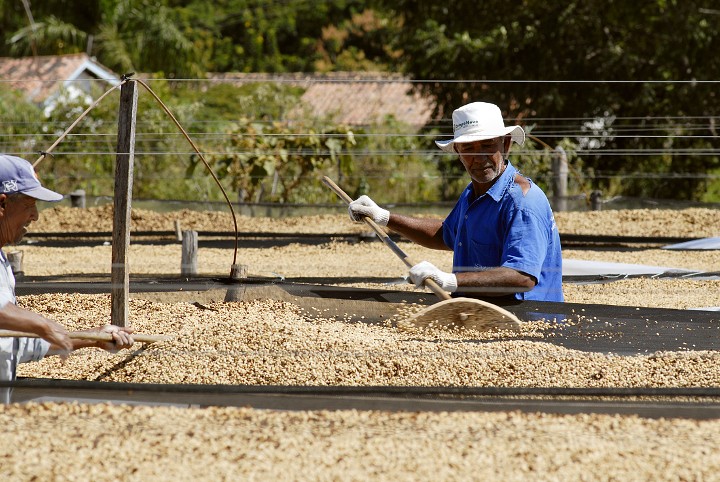
Half-sun treatment of coffee beans Brazilian coffee beans are treated by half-sun treatment.
As the early Brazilian coffee was all treated by traditional solarization, the overall quality of Brazilian coffee was unstable and could only wander in the middle and lower grade. In order to improve the quality of coffee in Brazil, the Brazilian government has invented the half-sun method and vigorously promoted it. At present, almost all the high-quality coffee beans in Brazil use the half-sun method to treat raw beans, which can be said to be a successful half-sun method.
2016-04-12 Coffee beans primary processing extraction solarization treatment Brazil adopted due to early
Coffee sun-dried beans have a complete natural mellow taste.
The coffee beans after harvest must enter the treatment program immediately, otherwise they will begin to ferment, making the coffee beans have a bad smell. There are two methods of treatment: solarization and water washing, which will cause different flavors. Sun-dried beans have a complete natural mellow flavor, gentle aroma and more gum; washing rules have a good mellow taste, high aroma and lively sour taste. The mellow taste is
2015-06-06 Coffee sun beans complete natural mellow taste
The harvest and processing process of coffee beans and two basic processing methods
Picking: due to climatic differences, the harvest season is usually from September to March in the Northern Hemisphere and from April to August in the Southern Hemisphere. When the coffee beans are ripe, they can be picked. In many alpine slopes, coffee must be picked manually. In relatively flat producing areas such as Brazil, Australia and Hawaii, they can be picked by machines. These two methods
2015-11-05 Coffee beans harvesting processing process and two basic treatment methods picking