“red cherry project” search results (80)
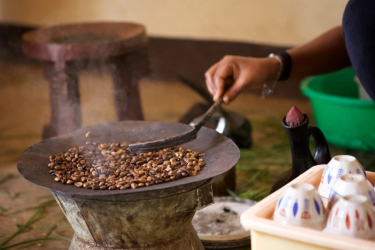
Introduction to the characteristics of classification, taste and flavor description of Ethiopian Yejasuefei coffee beans
The origin of Yirgacheffe coffee beans: although it is petite, it is gentle and delicate, sweet and lovely. As the hometown of coffee, thousands of years of planting history and processing tradition in Ethiopia have created high-quality washed Arabica beans. Shallow baking is unique.
2023-01-16 Coffee beans classification taste detailed explanation Yega Sheffield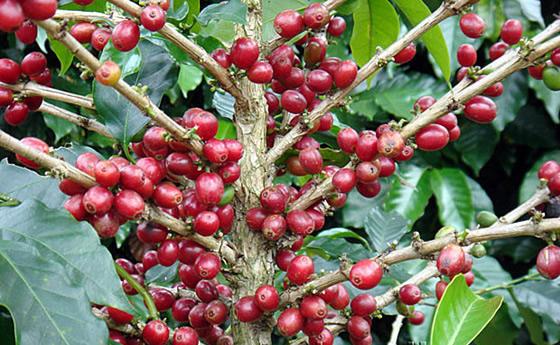
Boutique coffee beans: Ethiopian Sidamo Lion King sun-dried coffee beans
Coffee bean details: 1. Country: Ethiopia 2. Grade: G13. Production area: Guji 4. Planting altitude: 1800-2000m 5. Soil type: volcanic laterite 6. Annual rainfall: 1100-1200 cm 7. Treatment: insolation 8. Variety: native species (Heirloom) 9. Disposal site: Sirsa Cooperative 10. Raw bean specification: 17-18 items 11. Flavor: Jasmine, honey, orange
2015-12-05 Boutique coffee beans Ethiopia Dharma Lion King Sun details
2015 New Bean unbaked Coffee Raw Bean Sidamo Lion King of Ethiopia Sun-treated Raw Bean
Coffee bean details: 1. Country: Ethiopia 2. Grade: G13. Production area: Guji 4. Planting altitude: 1800-2000m 5. Soil type: volcanic laterite 6. Annual rainfall: 1100-1200 cm 7. Treatment: insolation 8. Variety: native species (Heirloom) 9. Disposal site: Sirsa Cooperative 10. Raw bean specification: 17-18 items 11. Flavor: Jasmine, honey,
2016-03-10 2015 New Douwei Roast Coffee Raw Bean Ethiopia Dharma Lion King
What are the characteristics of African coffee beans? introduction to the species of African beans
. Colombia is the world's second largest coffee producer after Brazil. Is the leader in the country that produces Colombian mild. The name of origin has become a well-known name for coffee, such as Medning, Manizarez, Bogota, Almenia and so on. Coffee beans are light green and large-grained, according to their unique thick flavor, whether pure coffee or mixed
2016-06-06 Africa coffee beans what characteristics types introduction Colombia second only to Brazil
Rwanda Malaba Bourbon Coffee introduces the Lutesilo producing area in the western province
Malaba Coffee grows in southern Rwanda, about 12 kilometers (7 miles) from the city of Butare and 150 kilometers (93 miles) from the capital, Gejali. The plan began in the Malaba area of Butare province, but was taken over by a local government organization in 2006, which is now part of the Huye district of the southern province. Due to its proximity to the East African Rift Valley and the Neuenway Forest Mountains, the terrain
2016-06-29 Rwanda Malaba Rabbah bourbon coffee introduction western province Texi producing areas
Coffee production process and Geoclimate in Rwanda
Maraba Coffee, the geographic and climatic editor, is grown in southern Rwanda, about 12km (7 miles) from the city of Butare and 150km (93 miles) from the capital, Gejali. The plan began in the Malaba area of Butare province, but was taken over by a local government organization in 2006, which is now part of the Huye district of the southern province. Due to its proximity to the East African Rift Valley and Neuenweisen,
2016-06-12 Rwanda Coffee production process Geography Climate Editor Malaba
Geography and climate of coffee bean production process in Rwanda
Production process editors Coffee fruits the maximum harvest season for Rwandan coffee is during the main rainy season in the area, from March to the end of May. During the harvest season, farmers spend most of their day picking coffee fruits by hand. In the afternoon, farmers carry coffee fruits in traditional baskets made of banana leaves to a cleaning station a few hours away. The mechanic will do it by hand.
2016-05-31 Rwanda coffee beans production process geography climate editing coffee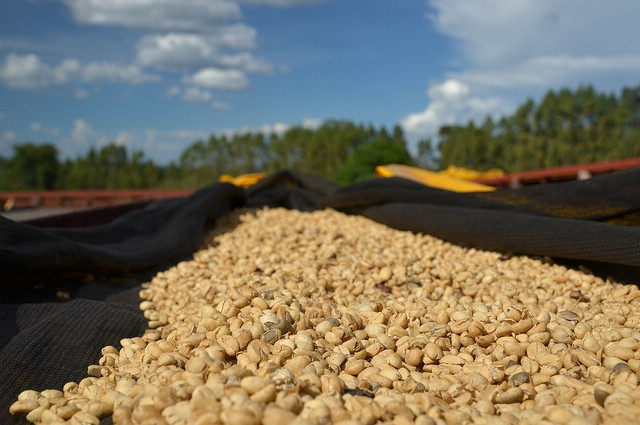
Top Coffee in the World-- how Ethiopia chooses Sidamo to handle the Lion King
Although the Ethiopian Yirgacheffe coffee is petite, it is gentle and delicate and sweet. As the hometown of coffee, thousands of years of planting history and processing tradition in Ethiopia have created high-quality washed Arabica beans. Light baking has unique sweet aromas of lemon, flowers and honey, soft acidity and citrus flavors, fresh and bright on the palate. No.
2016-03-30 World Top Coffee Ethiopia how Dharma Solar processing Lion King
Boutique coffee Rwanda coffee flavor red apple, cherry, cinnamon, honey
Rwandans have been growing coffee since colonial times, but until 1999, its products were still classified as below Class C and were not popular in the global market. The reason for the poor quality is that farmers do not have a fixed procedure for washing coffee beans and do not process coffee fruits according to specifications in time. Buyers buy coffee beans at $0.33 per kilogram, and farmers keep warm by the meagre profits earned at low prices.
2016-05-15 Boutique coffee Rwanda flavor red apple cherry cinnamon honey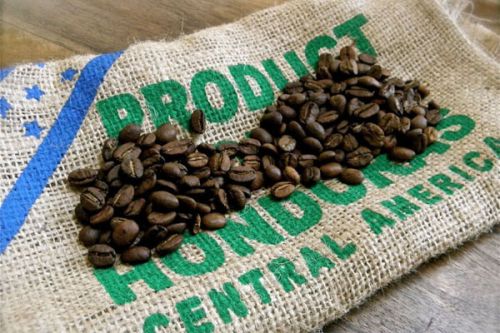
How much is Ethiopian coffee per jin? Ethiopian Sidamo tanning treatment of the Lion King
The coffee flavor of Sidamo is very diverse, and the different soil types, microclimate and countless native coffee species make the coffee produced in each town have obvious differences and characteristics. In 2010-12, three consecutive times won the United States authoritative coffee review website coffeereview92 to 94 high marks, which shows the extraordinary value of raw beans in this area! Domestic span
2016-04-08 Ethiopia coffee less money one jin Dharma sun processing Lion King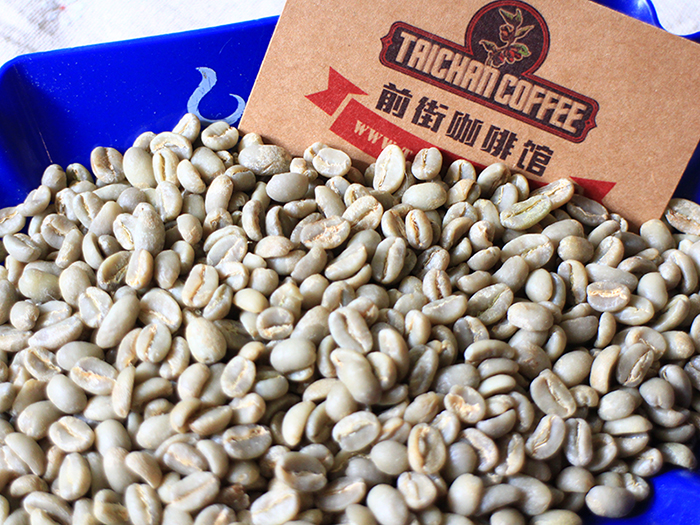
Ethiopia Sidama Sun-treated Raw Beans Lion King 2015 New Beans Unroasted Raw Coffee Beans
The coffee flavor of Sidamo is very diverse, different soil types, microclimate and countless native coffee species, resulting in obvious differences and characteristics of coffee produced in each town. In 2010-2012, it won the super high evaluation of 92 to 94 high scores from the authoritative coffee review website in the United States for three consecutive times, which shows the extraordinary value of raw beans in this region! territory
2016-04-13 Ethiopia Dharma Sun Treatment Raw Beans Lion King 2015 New Beans
Coffee Culture the Development of Coffee in the World
Legend has it that in AD 600, there was a shepherd named Khatthiya in Ethiopia. One day he found his sheep very lively, constantly bouncing and not tired. He felt very strange. One day, he accidentally saw the sheep nibbling on some shiny red fruit. Khatthiya guessed that the cherry-like fruit must be acting strange. He also started
2014-11-05 Coffee culture coffee history coffee development history
An introduction to the characteristics of the Yega Sheffiwoca Coffee Flavor Manor in Ethiopia
According to Ethiopian legend, it was founded by Ethiops, one of the twelve children of Kush, the son of Ham and the grandson of Noah. Another legend claims that the lineage of its ruler can be traced back to an affair between King Solomon and the Queen of Sheba, although this legend is of a mythical nature.
2016-08-16 Yuyun sweet Ethiopia Yega Sheffield Waka coffee flavor taste
Characteristics of Coffee Bean Flavor in three Coffee producing areas in the World
Under the influence of Chinese culture, Asian tea culture is booming, while coffee appears to be on its own by comparison.
2015-12-26 World Big three Coffee producing area introduction Asia Manor detailed explanation
Boutique coffee Rwanda coffee origin Rwanda coffee practice
Rwandans have been growing coffee since colonial times, but until 1999, its products were still classified as below Class C and were not popular in the global market. The reason for the poor quality is that farmers do not have a fixed procedure for washing coffee beans and do not process coffee fruits according to specifications in time. Buyers buy coffee beans at $0.33 per kilogram, and farmers keep warm by the meagre profits earned at low prices.
2016-05-15 Boutique coffee Rwanda origin practice
Fine coffee Rwanda coffee manor Rwanda coffee producing area
Rwandans have been growing coffee since colonial times, but until 1999, its products were still classified as below Class C and were not popular in the global market. The reason for the poor quality is that farmers do not have a fixed procedure for washing coffee beans and do not process coffee fruits according to specifications in time. Buyers buy coffee beans at $0.33 per kilogram, and farmers keep warm by the meagre profits earned at low prices.
2016-05-15 Boutique coffee Rwanda manor producing area
Boutique coffee Rwanda coffee flavor red apple, cherry, cinnamon, honey
Rwandans have been growing coffee since colonial times, but until 1999, its products were still classified as below Class C and were not popular in the global market. The reason for the poor quality is that farmers do not have a fixed procedure for washing coffee beans and do not process coffee fruits according to specifications in time. Buyers buy coffee beans at $0.33 per kilogram, and farmers keep warm by the meagre profits earned at low prices.
2016-05-12 Boutique coffee Rwanda flavor red apple cherry cinnamon honey
Introduction of Sidamo coffee beans with clear acidity and smooth taste
Unlike ordinary African coffee, Sidamo has clear acidity, smooth taste and delicate floral smell. Washing Sidamo is elegant and playful. The entrance is mild and pleasant, with a strong taste impact with the bright lemon acid later on. The palate is unique and mellow, with a chic and pleasant aftertaste. The slowly rising finish contains chic sweetness. Coffee and raw beans are grayish
2016-06-23 Clear sour smooth taste Dharma coffee beans introduction general Africa coffee
Rwanda Coffee Plantation Rwanda Coffee Region
Rwandans have been growing coffee since colonial times, but until 1999, the product was classified as below grade C and was not available on the global market. The reason for the poor quality is that farmers do not have a fixed procedure for cleaning coffee beans, and they do not process coffee fruits according to specifications in time. Buyers pay $0.33 a kilo for coffee beans, farmers keep warm on the meager margins they earn at low prices
2016-05-12 boutique coffee rwanda estate region
An introduction to the Ethiopian Sidamo Coffee producing area with cocoa aroma in the end.
Kaibedo is a small coffee cooperative in a small town in Dala, Sidamo Province. each small coffee farmer here has an average planting area of about 0.6 hectares and is composed of hundreds of coffee farmers. it is planted nearly 2000 meters above sea level, the climate varies greatly, and the soil is fertile, providing an excellent growing environment, and the raw bean itself exudes a strong aroma of raisins and fermented wine. Near
2016-06-22 Last paragraph Yuyun cocoa aroma Ethiopia Dharma coffee producing area introduction