“planting techniques” search results (800)
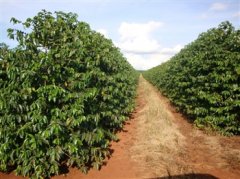
Coffee cultivation techniques for cultivating strong seedlings of Coffee
Coffee cultivation techniques 1, cultivate strong coffee seedlings 1, nursery site selection close to water sources, convenient transportation, loose and fertile soil, deep soil layer, well-drained loam or sandy loam, paddy field with pH 66.5 or early nursery land, and close to coffee garden. Turn over the depth of the ground by 0.200. 30 meters, after hoing and removing stones, the ridge moisture width is 1.01. 2 meters, about 10 meters long, and in the soil moisture
2015-10-07 Coffee cultivation techniques cultivation strong seedlings technology coffee
Coffee planting conditions Coffee planting techniques in China
In the 19th century, coffee was grown almost all over the country, followed by a coffee boom that lasted nearly a century. The extensive cultivation of coffee has brought wealth and prosperity to Brazil. At the beginning of the 20th century, Brazil accounted for more than 75% of the world's total coffee production, thus winning the reputation of the coffee kingdom. Coffee is one of the important pillars of Brazil's national economy. The whole country
2016-07-16 Coffee planting conditions China Technology 19th Century Brazil several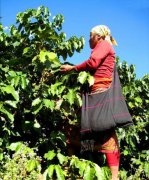
Coffee planting techniques what coffee planting techniques are there? How do you grow coffee? How to grow coffee?
1. The cultivation of strong coffee seedlings 1. The selection of nursery land is close to water source, convenient for transportation, loam or sandy loam with loose and fertile soil, deep soil layer, good drainage, paddy field with PH value of 66.5 or early nursery land, and close to coffee garden. Turn over 20cm30cm meters to make fire and burn the soil, hoe fine and remove stones, branches and roots before sieving, or use mountain humus, add 8-
2016-03-16 Coffee planting technology which how coffee strong seedlings cultivation nursery
Cultivation techniques of small Coffee cultivation of Coffee beans in Yunnan Province
Disease control: 1. Coffee rust is the main disease of coffee, the most harmful, the damaged plants, light reduced yield, heavy death. Coffee rust is mainly harmful to leaves and sometimes to young fruits and twigs. After the leaves were infected, many light yellow spots appeared at first and enlarged in the form of water stains, followed by orange-yellow powdery spores on the back of the leaves, and there was a light green halo around the disease spots, and the disease spots in the later stage.
2015-02-16 Small grains coffee cultivation techniques Yunnan coffee beans planting disease control
Introduction to cultivation techniques of Coffee Fruit
Cultivation techniques require that the origin of coffee trees [4] is in Ethiopia in Africa. In botany, coffee trees belong to the evergreen trees of the subgenus Rubiaceae, and coffee beans, commonly known as coffee beans, are actually the seeds of the fruit of coffee trees. They are called coffee beans only because they are shaped like beans. Climate is the decisive factor for coffee cultivation, and coffee trees are only suitable for growing in the tropics or subheat.
2016-06-13 Coffee fruit cultivation techniques introduction requirements coffee origin non-
Cultivation techniques of small-grain Coffee in Yunnan Province: pest Control
Small-grain coffee cultivation, coffee cultivation techniques and coffee pest control in Yunnan Province
2014-06-17 Coffee knowledge coffee bean cultivation Yunnan coffee
Cultivation techniques of small-grain Coffee in Yunnan Province: pest Control
1. Coffee tiger, longicorn beetle. The coffee tiger longicorn beetle harms the coffee trunk for more than 2 years. At first, it eats between the cambium and xylem, and then eats the xylem. It has a great effect on coffee, the light ones make the plants yellow, withered branches and fruit drop, and the serious ones die of the whole plant. At the initial stage of the damage, there was no obvious hole in the appearance, but only slightly raised in the epidermis of the injured area. Prevention and control methods: strengthening the management of ①
2015-10-07 Yunnan Province small grains coffee cultivation techniques insect pests control longicorn beetles larvae
Arabica coffee cultivation techniques Multi-stem shaping and cultivation of coffee trees
Multi-stem integer Multi-stem integer is an integer method that uses the first branch as the main result branch. The purpose of integer is to cultivate multiple trunks and grow a large number of robust first-order branches. Multi-trunk trees do not pick the top. As a result, when the yield decreases after 3 to 5 years, new trunks are replaced.① Cultivation of multi-stem method oblique planting method: When planting, the seedlings are obliquely planted, generally at an angle of 30~60 degrees with the ground. oblique planting can inhibit
2015-02-16 Arabica coffee cultivation techniques multi-stem shaping cultivation utilization one
Cultivation techniques of small Coffee in Yunnan Province Pest Control of Coffee trees
1. Coffee tiger, longicorn beetle. The coffee tiger longicorn beetle harms the coffee trunk for more than 2 years. At first, it eats between the cambium and xylem, and then eats the xylem. It has a great effect on coffee, the light ones make the plants yellow, withered branches and fruit drop, and the serious ones die of the whole plant. At the initial stage of the damage, there was no obvious hole in the appearance, but only slightly raised in the epidermis of the injured area. Prevention and control methods: strengthening the management of ①
2015-02-16 Yunnan Province small grains coffee cultivation techniques insect pests control longicorn beetles larvae
What is boutique coffee raw bean purchasers roast coffee beans definition of premium coffee
Only high-level planting techniques in line with the standard can produce high-quality coffee, including the grasp of microclimate, nursing care in the process of plant growth, picking techniques, raw bean processing technology and so on. Only when all links meet high standards and strict requirements, can the coffee produced be called high-quality. To this end, every grower must always bear in mind the production standards.
2016-07-12 What boutique coffee raw beans purchasers roasting coffee beans definition only
Cultivation techniques of small-grain coffee: multi-dry shaping and cultivation
Multi-dry shaping is a method that uses the first-order branch as the main fruiting branch. The purpose of plastic surgery is to cultivate multiple trunks and grow a large number of robust primary branches, and the multi-trunk trees will not be topped. As a result, when the yield decreases after 3-5 years, the new trunk will be replaced. ① culture multi-stem method oblique planting method: when planting, the seedlings are oblique, generally at an angle of 30-60 degrees with the ground. Oblique planting can be suppressed
2015-10-07 Small grains coffee cultivation techniques multi-dry plastic culture utilization one
Cultivation techniques of main Coffee varieties related to Coffee
As you explore the history and beauty of coffee, you can also see the coffee trees that are caressed by the tropical sun and whose leaves twinkle. It has a small white flower similar to jasmine, its fruit from green to yellow-green, and finally to red, coffee beans are the seeds in its fruit. Moreover, if you go to the coffee bean refinery, you can certainly see the red color called coffee cherry.
2016-05-24 Coffee main cultivation varieties related cultivation techniques you in exploration coffee calendar
Planting knowledge of Coffee trees guided by cultivation techniques of small Coffee
Small-grain coffee is a shrub of Rubiaceae, which is suitable for planting in areas with an annual average temperature of 19 ℃ ~ 21 ℃ and an altitude of 800-1400m. It has the advantages of fast plant growth, early fruit and high yield. The land preparation should choose the contour platform with deep soil layer, loose and fertile soil, clean wind, sufficient light and shade trees, annual rainfall of 700 to 1600 mm, slope of less than 30 degrees, and row spacing of 2 to 3 meters.
2015-02-16 Small grains coffee cultivation technical guidance planting knowledge
Cultivation techniques of small Coffee in Yunnan Province Coffee Tree Disease Control
1. Coffee rust is the main disease of coffee, the most harmful, the damaged plants, light reduced yield, serious death. Coffee rust is mainly harmful to leaves and sometimes to young fruits and twigs. After the leaves were infected, many light yellow spots appeared at first and enlarged in the form of water stains, followed by orange-yellow powdery spores on the back of the leaves, and there was a light green halo around the disease spots, which gradually expanded or connected in the later stage.
2015-02-16 Yunnan Province small grains coffee cultivation techniques diseases control
Cultivation techniques of small-grain Coffee in Yunnan Province: disease Control
1. Coffee rust is the main disease of coffee, the most harmful, the damaged plants, light reduced yield, serious death. Coffee rust is mainly harmful to leaves and sometimes to young fruits and twigs. After the leaves were infected, many light yellow spots appeared at first and enlarged in the form of water stains, followed by orange-yellow powdery spores on the back of the leaves, and there was a light green halo around the disease spots, which gradually expanded or connected in the later stage.
2015-10-07 Yunnan Province small grains coffee cultivation techniques diseases control
Cultivation techniques of small-grain Coffee
Disease control: 1. Coffee rust is the main disease of coffee, the most harmful, the damaged plants, light reduced yield, heavy death. Coffee rust is mainly harmful to leaves and sometimes to young fruits and twigs. After the leaves were infected, many light yellow spots appeared at first and enlarged in the form of water stains, followed by orange-yellow powdery spores on the back of the leaves, and there was a light green halo around the disease spots, and the disease spots in the later stage.
2014-07-09 Small-grain coffee cultivation coffee beans Yunnan small-grain coffee beans
Cultivation techniques of small-grain Coffee in Yunnan Province: disease Control
1. Coffee rust is the main disease of coffee, the most harmful, the damaged plants, light reduced yield, serious death. Coffee rust is mainly harmful to leaves and sometimes to young fruits and twigs. After the leaves were infected, many light yellow spots appeared at first and enlarged in the form of water stains, followed by orange-yellow powdery spores on the back of the leaves, and there was a light green halo around the disease spots, which gradually expanded or connected in the later stage.
2014-07-09 Yunnan small grain coffee beans Yunnan small grain coffee cultivation techniques Yunnan small grain coffee beans price
Cultivation techniques of small Coffee guiding the selection of Coffee Bean varieties
Small-grain coffee is a shrub of Rubiaceae, which is suitable for planting in areas with an annual average temperature of 19 ℃ ~ 21 ℃ and an altitude of 800-1400m. It has the advantages of fast plant growth, early fruit and high yield. The land preparation should choose the contour platform with deep soil layer, loose and fertile soil, clean wind, sufficient light and shade trees, annual rainfall of 700 to 1600 mm, slope of less than 30 degrees, and row spacing of 2 to 3 meters.
2015-10-07 Small grains coffee cultivation technical guidance coffee beans varieties selection
Basic knowledge of coffee planting techniques and matters needing attention of coffee trees
The origin of the coffee tree is Ethiopia in Africa. In botany, coffee trees belong to the evergreen trees of the subgenus Rubiaceae, and coffee beans, commonly known as coffee beans, are actually the seeds of the fruit of coffee trees. They are called coffee beans only because they are shaped like beans. Climate is the decisive factor for coffee cultivation. Coffee trees are only suitable for growing in the tropics or subtropics, so latitude 25 degrees south and north.
2016-05-24 Coffee basic knowledge cultivation technology precautions coffee origin Africa
The requirements of geographical environment for the cultivation techniques of coffee trees
The cultivation technology editor requires that the origin of coffee tree [4] is in Ethiopia in Africa. In botany, coffee trees belong to the evergreen trees of the subgenus Rubiaceae, and coffee beans, commonly known as coffee beans, are actually the seeds of the fruit of coffee trees. They are called coffee beans only because they are shaped like beans. Climate is the decisive factor for coffee cultivation. Coffee trees are only suitable for growing in the tropics or
2016-06-06 Coffee species cultivation techniques geographical environment requirements editors