“larvae” search results (97)

Cultivation Techniques of Coffea arabica in Yunnan
Control methods: ① strengthen management, reasonable pruning, appropriate shade. (2) Artificial killing of adults and larvae, timely cutting down and burning of damaged branches. 2. Coffee leopard wood moth. It is widely distributed and is one of the common coffee pests, which can harm a variety of economic crops. The larvae overwinter in the branches, and the larvae often eat upward in the branches, forming a tunnel of 30~60 cm. Prevention methods: ①
2014-07-22 Coffee knowledge Arabica coffee Coffee cultivation Coffee encyclopedia
Cultivation techniques of small Coffee knowledge of Coffee planting
Prevention and treatment methods: ① strengthen management, reasonable pruning, appropriate shade. ② artificially killed adults and larvae, cut off the damaged branches and burned them in time. two。 Coffee leopard bark moth. It is widely distributed and is one of the common coffee pests, which can harm a variety of cash crops. The larvae overwintered in the branches, and the larvae often ate upward in the branches, forming a tunnel of 30cm to 60cm. Prevention and control methods:
2015-02-25 Small grains coffee cultivation techniques planting knowledge control methods strengthening management reasonable
Insect Control methods of Coffee trees in Yunnan
Small grain coffee cultivation in Yunnan Province, coffee cultivation techniques, coffee pest control.
2014-09-02 Coffee knowledge Yunnan coffee small grain coffee insect control methods
Cultivation techniques of Chinese small-grain Coffee cultivation of Coffee varieties of Tieli Katim in Yunnan, China
Prevention and treatment methods: ① strengthen management, reasonable pruning, appropriate shade. ② artificially killed adults and larvae, cut off the damaged branches and burned them in time. two。 Coffee leopard bark moth. It is widely distributed and is one of the common coffee pests, which can harm a variety of cash crops. The larvae overwintered in the branches, and the larvae often ate upward in the branches, forming a tunnel of 30cm to 60cm. Prevention and control methods:
2015-10-07 Small grains coffee cultivation techniques coffee beans planting control methods strengthening tube
Cultivation techniques of small-grain Coffee in Yunnan Province: pest Control
Small-grain coffee cultivation, coffee cultivation techniques and coffee pest control in Yunnan Province
2014-06-17 Coffee knowledge coffee bean cultivation Yunnan coffee
Control of Coffee Bark Moth, a Disease and insect of Garden plants
The adult is gray-white with a length of 15-28mm and a wingspan of 25-55mm. Male moth antennae are double pectinate in the middle and lower part, and the ends are linear. There are 3 pairs of blue spots on the back of the chest. The abdomen is white with black stripes. The front wing is white, translucent, covered with bluish blue spots of different sizes, and there are 8 bluish blue spots on the outer edge of the hindwing. Female moths are generally larger than male moths, with filamentous antennae. The eggs are round and yellowish. End
2014-06-11 Plants coffee control
Cultivation techniques of small-grain Coffee in Yunnan Province: pest Control
1. Coffee tiger, longicorn beetle. The coffee tiger longicorn beetle harms the coffee trunk for more than 2 years. At first, it eats between the cambium and xylem, and then eats the xylem. It has a great effect on coffee, the light ones make the plants yellow, withered branches and fruit drop, and the serious ones die of the whole plant. At the initial stage of the damage, there was no obvious hole in the appearance, but only slightly raised in the epidermis of the injured area. Prevention and control methods: strengthening the management of ①
2015-10-07 Yunnan Province small grains coffee cultivation techniques insect pests control longicorn beetles larvae
Cultivation techniques of small Coffee in Yunnan Province Pest Control of Coffee trees
1. Coffee tiger, longicorn beetle. The coffee tiger longicorn beetle harms the coffee trunk for more than 2 years. At first, it eats between the cambium and xylem, and then eats the xylem. It has a great effect on coffee, the light ones make the plants yellow, withered branches and fruit drop, and the serious ones die of the whole plant. At the initial stage of the damage, there was no obvious hole in the appearance, but only slightly raised in the epidermis of the injured area. Prevention and control methods: strengthening the management of ①
2015-02-16 Yunnan Province small grains coffee cultivation techniques insect pests control longicorn beetles larvae
Common diseases and pests in coffee cultivation and their control methods
It is distributed in all coffee producing areas in the world, and it also occurs in Yunnan, Guangxi and Hainan Island in China. It is one of the major pests of coffee. The coffee tiger longicorn beetle harms the coffee trunk for more than 2 years and begins to eat between the cambium and the xylem.
2014-06-17 Coffee knowledge coffee cultivation coffee pests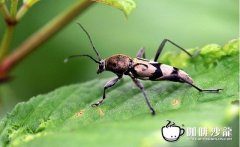
Common Coffee Tree Diseases and pests and Control methods in Coffee planting
1. Coffee tiger longicorn beetles are distributed in all coffee producing areas in the world, and also occur in Yunnan, Guangxi and Hainan Island in China. It is one of the major pests of coffee. The coffee tiger longicorn beetle harms the coffee trunk for more than 2 years. At first, it eats between the cambium and xylem, and then eats the xylem. The victim was a curved tunnel filled with sawdust, which had a great impact on coffee.
2015-03-23 Coffee common sense planting common diseases and pests control methods coffee longicorn beetles the world
Common Coffee Diseases and pests in Coffee cultivation and Control methods
It is distributed in all coffee producing areas in the world, and it also occurs in Yunnan, Guangxi and Hainan Island in China. It is one of the major pests of coffee. Coffee longicorn beetles, which damage the coffee trunk by larvae for more than 2 years, initially eat between the cambium and xylem, and then eat (1) pest control. 1. Coffee tiger longicorn beetles are distributed in all coffee producing areas in the world. Yunnan, Guangxi and Hainan, China
2015-02-16 Coffee common sense planting common diseases and insect pests prevention and control methods
Control of Diseases and pests in Coffee
(1) Pest control 1. Coffee tiger longicorn beetles are distributed in all coffee producing areas in the world, and also occur in Yunnan, Guangxi and Hainan Island in China. It is one of the major pests of coffee. The coffee tiger longicorn beetle harms the coffee trunk for more than 2 years. At first, it eats between the cambium and xylem, and then eats the xylem. The victim was in a curved tunnel filled with sawdust.
2015-10-07 Coffee diseases and pests control diseases pests
Common Diseases and pests in Coffee cultivation and Prevention and Coffee basic knowledge
(1) Pest control 1. Coffee tiger longicorn beetles are distributed in all coffee producing areas in the world, and also occur in Yunnan, Guangxi and Hainan Island in China. It is one of the major pests of coffee. The coffee tiger longicorn beetle harms the coffee trunk for more than 2 years. At first, it eats between the cambium and xylem, and then eats the xylem. The victim was a curved tunnel filled with sawdust.
2015-10-07 Coffee planting common diseases and insect pests control methods basics common sense
How to distinguish the defective beans in coffee beans
Caused by poor dryness or abnormal hybridization; the bean breaks from the central line and the inside is turned out like a shell. Shell beans can cause uneven baking and are easy to catch fire during deep baking. The moth invades and lays eggs when the coffee fruit is ripe and red, and the larvae eat the coffee fruit and grow, leaving traces of moth on the surface of the beans. Moth-eaten beans can cause cloudy coffee liquid and sometimes produce.
2016-06-07 How to distinguish coffee beans medium blemish dry bad or hybrid abnormal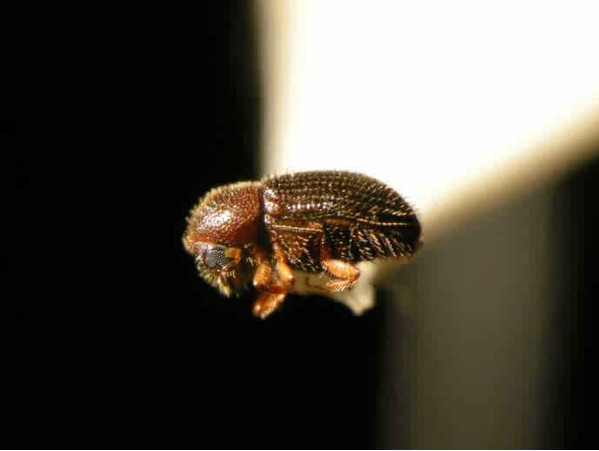
Eating and drinking Lhasa incest beetles in coffee beans
The tiny coffee fruit beetle can be said to be the Cersei and Jamie of the insect world, and the incest place of these bugs is the coffee beans you usually drink. Discovery News calls the coffee fruit beetle the most threatening pest to coffee plants in the world. Although drinking coffee inhabited by these bugs is not harmful to the human body, if
2015-05-25 Coffee beans eat and drink Lhasa incest beetles little ones coffee yes say
Galapagos Coffee Manor introduces Hassenda Coffee Garden
All of these birds are descended from common ancient strains that occasionally fly here from South America. They have found a lot of idle and habitable ecological environment throughout the archipelago and deepened to be large in size.
2016-06-17 Lapa Goss Coffee Manor introduction Hasenda Coffee Garden
CBB pest found in coffee trees in Hawaii
Coffee berry borer is in the red area of the Big Island (red part). Photo: CBB translated by the Department of Agriculture of Hawaii (HDOA) confirmed on May 12, 2011: coffee pulp borer (CBB) pest (in Pahala in the Ka`u District of the Big Island) was found on a farm in Ka`u District, Hawaii Island. Ka`u is a coffee growing area, which is currently
2015-10-07 Coffee Hawaii Discovery Berry CBB Pest Big Island Restaurant
Introduction of several kinds of defective beans
Moldy beans: because of incomplete drying, or damp in the process of transportation and storage, cyan and white molds grow, which sometimes make the beans stick together. If these moldy beans are not removed, they will produce moldy smell. Dead beans: beans with abnormal results. The color is not easy to change because of baking, so it is easy to distinguish. The flavor is thin, as harmful as silver skin, and will become different.
2014-05-16 Coffee knowledge coffee defective beans
Classification of defective coffee beans
There are two main categories: one is formed by soaking coffee in the fermentation tank for too long during washing, and is contaminated by the water washing coffee beans; the other is stacked in the warehouse, thus attaching bacteria and the surface of the beans becomes mottled. Fermented beans are difficult to distinguish from the appearance, so special attention should be paid to hand selection. Fermented beans produce a rancid smell if mixed with coffee. 5. Dead beans die
2016-06-06 coffee beans blemishes classification major large category one kind is in washing processing coffee