“pick first” search results (5000)
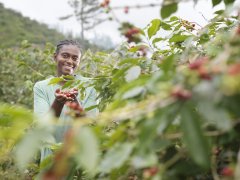
The process of picking coffee beans by a family in Budadiri village in Africa
One thing I am very curious about is that coffee comes from Africa, but in many parts of Africa, especially in small towns and villages, few people drink coffee. This time I visited the hometown of Uganda, which is rich in coffee, and this question can basically be answered. In the village of Budadiri in Mombali, a small town near the Kenyan border in Uganda, there are many coffee farms, so-called farms, but
2015-04-29 Africa Budadiri family picking coffee beans process one thing non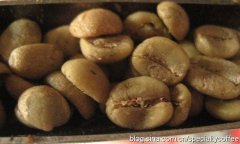
When does the roasting process after coffee picking decide to end roasting?
Roasting is the last and most important step in the processing of coffee beans after they have been picked. Green coffee beans cannot be used directly to make drinking coffee. All coffee beans must be roasted before grinding and brewing. Unroasted coffee is often referred to as green coffee, which has a shelf life of up to a year compared to roasted coffee. The size of the green coffee beans
2015-09-14 coffee picking after roasting processing process when decision end
The correct way to plant coffee trees how to raise coffee trees
One of the characteristics of a coffee tree is that its fruit can bear fruit several times a year, and another is that flowers and fruits coexist at different stages of ripening. If the fruit is too ripe, the beans in it will rot. If the beans are not ripe, the beans will not ripen by themselves. So bean pickers often go through the same tree several times to find ripe fruit, but try their best.
2015-11-02 Right planting coffee method how one of the characteristics that is it's
It turns out that it takes 10 steps to go from coffee seed to coffee.
A coffee bean is actually a seed. After drying, baking and grinding, it can be extracted.
2016-08-04 It turns out that coffee seeds need 10 steps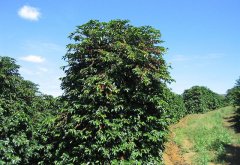
From coffee tree to coffee
Coffee is a perennial evergreen shrub or small tree of Rubiaceae. It is a horticultural perennial cash crop with the characteristics of fast growth, high yield, high value and wide market. Wild coffee trees can grow to a height of 5 to 10 meters, but coffee trees planted on the manor are often cut to less than 2 meters in order to increase their fruit and facilitate harvesting.
2014-07-22 Coffee knowledge coffee tree coffee process coffee encyclopedia
The Origin of Breakfast Coffee
With the first coffee bean picked, the first roasting test, the first grinding, the first blending and the mellow smell of the first cup of hot coffee, the legend of coffee cultivation and coffee culture spreading on our small planet has become one of the greatest and most romantic stories in history. Legends about the origin of coffee vary, but mostly because of its absurdity
2016-06-04 Breakfast synthesis coffee origin along with a grain of coffee beans people picking down
Ethiopian Coffee introduces African Coffee Flavor sidamo
Ethiopia is one of the major producers of Arabica coffee in Africa, producing the best Arabica coffee in the world. It is said that coffee was first discovered by shepherds in Essekafa, and the name of coffee evolved from Kafa, so Ethiopia is still coffee. Ethiopia is one of the major producers of Arabian coffee in Africa. It produces the best Allah in the world.
2016-04-22 Ethiopia Coffee introduction Africa Flavor Yega Sheffield sidamo
Introduction to the characteristics and Price of Grinding degree by describing the Flavor of Las Haas Manor in Costa Rica
Costa Rican coffee is grown in Costa Rica with Arabica coffee trees. Through improvement, the quality of coffee beans is better and more stable. In order to facilitate picking, coffee trees are kept at a height of about 2 meters through continuous pruning. The coffee that people eat is the flavor released by the seeds in the fruit being brewed in water. After picking raw coffee beans, the peel, pulp and seed must be removed.
2016-10-21 Costa Rica Russ Haas Manor Flavor description treatment Grinding characteristics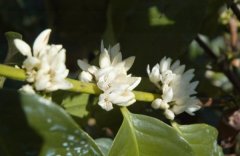
When does the coffee bloom? The first flowering period of coffee trees is about three years.
In a coffee obsession like mine, there is no smell comparable to the smell in the coffee field during the flowering period. The first flowering period of the coffee tree is about three years. The white flowers are five-petal tube-shaped flowers, with a faint fragrance of jasmine, and the inflorescences are arranged in dense clusters. It will wither after two or three days of flowering and begin to bear fruit after a few months. In Yunnan, this is the right time.
2015-10-14 Coffee when flowering for the first time flowering period about three years
Bourbon, known as the 'country of the Thousand Hills', has a dominant variety of Rwandan coffee.
Rwanda has been growing coffee since colonial times. Although the crops are mainly coffee, the quality of coffee produced in Rwanda is not outstanding, and its status in the coffee world is low, and few people pay attention to it. Most of the coffee varieties grown in Rwanda are bourbon. Rwanda, known as the country of Thousand Hills, has a high-altitude mountain environment, fertile volcanic soil and abundant precipitation.
2016-06-17 Known as Qianqiu the country breed advantage bourbon species Rwanda coffee
Introduction to the flavor and taste characteristics of Rwanda boutique coffee bean manor with balanced taste
Rwanda has been growing coffee since colonial times. Although the crops are mainly coffee, the quality of coffee produced in Rwanda is not outstanding, and its status in the coffee world is low, and few people pay attention to it. Most of the coffee varieties grown in Rwanda are bourbon. Rwanda, known as the country of Thousand Hills, has a high-altitude mountain environment, fertile volcanic soil and abundant precipitation.
2016-08-20 Taste balance Rwanda boutique coffee beans manor producing area flavor taste special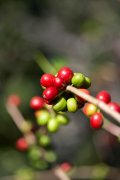
Ethiopian coffee producing area introduces fine coffee Yega Xuefei and Sidamo water washing and sun treatment.
Ethiopia is one of the major producers of Arabica coffee in Africa, producing the best Arabica coffee in the world. It is said that coffee was first discovered by shepherds in Essekafa, and the name of coffee evolved from Kafa, so Ethiopia is still coffee. Ethiopia is an African Arab coffee.
2022-06-28 Ethel Searle Biya Coffee producing area introduction Yega Sheffield Dharma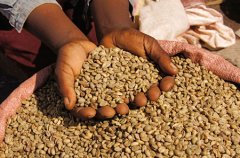
Ethiopian boutique coffee introduces Ethiopian boutique coffee taste Ethiopian coffee
Ethiopia is one of the major producers of Arabica coffee in Africa, producing the best Arabian coffee in the world. It is said that coffee was first discovered by shepherds in Essekafa, and the name of coffee evolved from Kafa, so Essex is still the hometown of coffee. The geographical environment of coffee production and processing is very suitable for coffee growth. Coffee is mainly cultivated.
2016-03-28 Ethiopia boutique coffee introduction taste
Yunnan Pu'er rainforest coffee enters harvest season
In early autumn, 7000 mu of rainforest ecological coffee in Yunnan Pu'er Love Group Yade Rainforest Coffee Farm has ripened one after another and entered the first round of picking season. Yade Coffee Manor has full grains and high quality fresh coffee beans this year. It is predicted that the average yield of fresh coffee fruit per mu will exceed two tons, and the total output is expected to reach about 14000 tons. Miao coffee farmers pick fresh coffee in Guide Rain Forest Coffee Garden.
2014-04-27 Yunnan Pu'er rainforest coffee entry harvest season early autumn Yunnan Province
Tips for selecting defective beans in coffee
First pick out, then pick out the glossy dead beans, fermented beans and immature beans, and finally eliminate shell beans and worm-eaten beans with different shapes.
2014-06-05 Tips for choosing coffee beans
Introduction to the characteristics of Coffee varieties in Santa Barara Manor, Honduras
The granules of coffee beans in Honduras are large in shape, uniform in size and glossy in color. In order to facilitate harvesting, farmers will prune the coffee trees to no more than 150 centimeters, because if they grow too high, they have to set up ladders to pick, which is not only time-consuming, but also may damage the trees by bending branches. As the ripening period of each fruit of the coffee bean is different, it is necessary to keep the coffee bean in good condition.
2016-10-13 Honduras Sanba Lara Manor Coffee Grinding processing Variety characteristics mouth
Coffee Manor in Nicaragua introduces Lemon Manor Fine Coffee beans
Although Nicaragua is a country with a large territory in Central America, it is not a big producer in the coffee world, and its output and reputation are much weaker than that of its neighbor Costa Rica. But the high-quality Nicaraguan coffee is in the forefront of coffee beans in the world and enjoys a good reputation. Traditional Nicaraguan coffee farmers are used to the subsequent processing of coffee fruits by washing.
2016-07-12 Nicaragua Coffee Manor producing area introduction Lemon Tree Fine goods Coffee beans Niga
Introduction to the structure diagram and growth process of coffee bean structure roaster
The harvested coffee berries need further treatment, usually in two ways. Then there is the Qing Dynasty.
2016-10-18 Coffee beans raw beans structure roaster structure diagram growth process introduction harvest
Rwandan coffee growing methods
Rwanda's economy is primarily agricultural. 92 per cent of the population is engaged in farming. Cash crops mainly coffee, tea, cotton. Rwanda is still a backward country because it is an agricultural country and the genocide in 1994 caused the loss of many young workers. It was a huge blow to this already poor country. Lu after the Civil War
2016-06-01 Rwanda coffee origin cultivation way economy to agriculture for
There are four types of coffee trees.
Coffee comes from Ethiopian curry. In Colombia, it was brought by a priest from the French Antilles via Venezuela in 1808. At present, Colombia is the fourth largest coffee producer in the world, behind Brazil, Vietnam and Indonesia.
2014-08-06 Coffee knowledge Coffee Tree Coffee Encyclopedia