“pectin” search results (824)

Basic knowledge of Fine Coffee the way of picking beans from Coffee Cherry
The beans are sweeter when the coffee is picked after it is red and ripe. If coffee farmers in order to save trouble, no matter whether the coffee fruit is ripe or not, picking it together will make the coffee sour and astringent, so the fine coffee must choose the ripe red fruit. Distinguish between floating beans and sunken beans: coffee fruits picked from coffee fields should not be mistaken and must be sent to the processing plant on the same day. Immature
2014-12-19 Boutique coffee basics common sense cherries beans way red ripe
Introduction to the characteristics of Rwanda boutique coffee beans with long-lasting aroma and taste of manor
Most of the coffee in Rwanda is washed. The water washing method will first wash and flotation the ripe coffee fruit, then remove the exocarp, pulp and part of the pectin layer, then send the coffee into the fermentation tank, remove the remaining pectin layer and then send it to the drying ground for drying treatment, so that the water content reaches about 13%. The coffee in the picture above is placed in an African shed to dry.
2016-08-05 Aroma persistent Rwanda boutique coffee beans flavor taste manor producing area special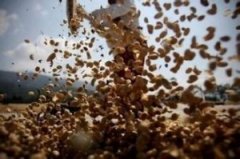
Green coffee beans half washing method
A relatively new and rare method. This method is also suitable only in certain areas of certain countries, where the climate has a relatively long dry period, and can be used to treat local coffee. The coffee produced by this process is sticky, and the slime is not removed as it ferments in the tank. Therefore, the coffee produced by this semi-moist treatment method contains moisture treatment.
2014-09-18 Green coffee beans green bean treatment semi-washing
Burundian boutique coffee beans flavor and taste characteristics story Burundian bourbon coffee varieties
The chaos of Burundian coffee has been going on for a long time, with a large number of old and new raw beans mixed together, making this coffee unsuitable for grading. This coffee is rough but mild, and has characteristics similar to Kenyan coffee. The flavor is sweet and fruity, with a slightly spicy finish. Dry aroma (1-5): not suitable for wet aroma (1-5): not suitable for acid
2016-07-12 Spicy aftertaste Burundi coffee beans flavor taste introduction boutique coffee cloth
Coffee fermentation
Coffee fermentation is one of the most important steps in wet processing of coffee, which is related to the quality of coffee. Many people will ask what is the reason for fermentation? This problem is generally said to be for degumming; in fact, the mucus on the endocarp of coffee is an organic substance composed of sugar, enzyme, propectin and pectin, which can be dissolved by natural fermentation by bacteria and is easy to wash off.
2014-07-11 Coffee knowledge coffee fermentation coffee wet processing
Introduction to the flavor and taste of high-quality coffee beans in Rwanda coffee producing areas
Most of the coffee in Rwanda is washed. The water washing method will first wash and flotation the ripe coffee fruit, then remove the exocarp, pulp and part of the pectin layer, then send the coffee into the fermentation tank, remove the remaining pectin layer and then send it to the drying ground for drying treatment, so that the water content reaches about 13%. The coffee in the picture above is placed in an African shed to dry.
2016-09-20 Rwanda coffee varieties producing areas characteristics boutique coffee beans flavor taste introduction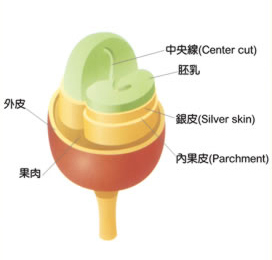
What does the coffee fruit look like? what the coffee fruit looks like?
What we see every day are roasted coffee beans, at most we have seen yellow-green raw coffee beans, which is the most kind of fruit. What did it look like at first? What we usually see is a bit like cherries, so we sometimes call coffee fruits coffee cherries. Generally speaking, there are two coffee beans in each coffee fruit, which are covered with exocarp, pulp and pectin.
2016-04-12 Coffee fruit after all what is appearance raw beans we daily see are all
Introduction of Rwanda boutique coffee bourbon by washing method introduction of flavor and taste of Rwandan coffee
Most of the coffee in Rwanda is washed. The water washing method will first wash and flotation the ripe coffee fruit, then remove the exocarp, pulp and part of the pectin layer, then send the coffee into the fermentation tank, remove the remaining pectin layer and then send it to the drying ground for drying treatment, so that the water content reaches about 13%. The coffee in the picture above is placed in an African shed to dry.
2016-07-28 Washing treatment Rwanda boutique coffee bourbon introduction flavor taste Lu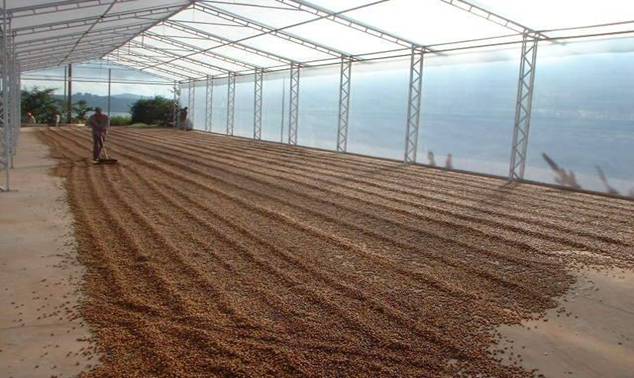
Coffee Dictionary Pulp Solar method PulpedNatural Honey treatment Honey Solar Yega Xuefei aric
Tanning is a traditional method for the initial processing of coffee beans, and at present, almost all coffee-growing countries such as Ethiopia and Yemen still use solarization to treat raw beans. Sun treatment will first identify sunken beans in the sink, that is, ripe or half-ripe beans are spread in the drying farm for natural drying. The specific time depends on the local climatic conditions, which usually takes two to four weeks.
2016-04-25 Coffee Dictionary Pulp Sun PulpedNatural processing H
Most of them are washed and treated with Rwandan boutique coffee Chimere Manor to introduce the Lute Xilo producing area in the western province.
Most of the coffee in Rwanda is washed. The water washing method will first wash and flotation the ripe coffee fruit, then remove the exocarp, pulp and part of the pectin layer, then send the coffee into the fermentation tank, remove the remaining pectin layer and then send it to the drying ground for drying treatment, so that the water content reaches about 13%. The coffee in the picture above is placed in an African shed to dry.
2016-07-13 Mostly for washing processing Rwanda boutique coffee Mayer manor introduction western
Introduction to the characteristics of fermentation treatment of coffee bean red wine, sun treatment and water washing treatment
Coffee bean treatment introduces that each region has its own climate change, so the coffee beans in each producing area have their own characteristics, but to sum up, the coffee in Guatemala shows a mild and mellow overall texture and an elegant aroma. And with similar fruit acid and other hot and pleasant acidity, it has become the name of the aristocratic New Oriental producing area in coffee, that is, it is located in Guatemala horse.
2016-10-21 Coffee beans red wine sun exposure washing treatment introduction coffee beans every
The handling of coffee beans A coffee shop open all night in Changchun
Water washing-increase fruit acid spirit: water washing is the most popular treatment method at present, and water washing is used in almost all Central and South America except Brazil. The color of the washed beans is blue and green, the appearance of the beans is neat and the pulse is good, and the coffee quality is the highest. Generally speaking, the sour flavor and bright feeling of washed beans are better, and the flavor is clean and free of miscellaneous flavor, which is the most commonly used method for the treatment of fine coffee.
2016-06-04 Coffee beans handling way Changchun overnight business coffee shop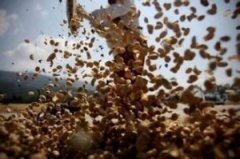
Introduction to the treatment of raw coffee beans-semi-washing method
It is a relatively new and rare method. This method is also suitable for processing local coffee only in specific areas of some countries where there is a long drying period in the climate. The coffee produced by this method is sticky, and the mucus is not removed with fermentation in the tank. Therefore, the coffee produced by this semi-wet treatment contains moisture treatment.
2014-07-22 Coffee raw beans coffee bean treatment semi-washing method
Costa Rican Coffee Flavor introduction to Costa Rican Coffee producing area Manor
Although Costa Rica has won the recognition of coffee gluttons through honey-treated coffee beans, it is also closely related to Costa Rica's superior geographical and climatic conditions, and the selection of Arabica varieties of coffee. Costa Rica's high-quality coffee beans are called SHB, and the quality of hard beans (HB) and slightly hard beans (SH) decline in turn, and then at the same time
2016-07-29 Costa Rica coffee flavor taste introduction producing area manor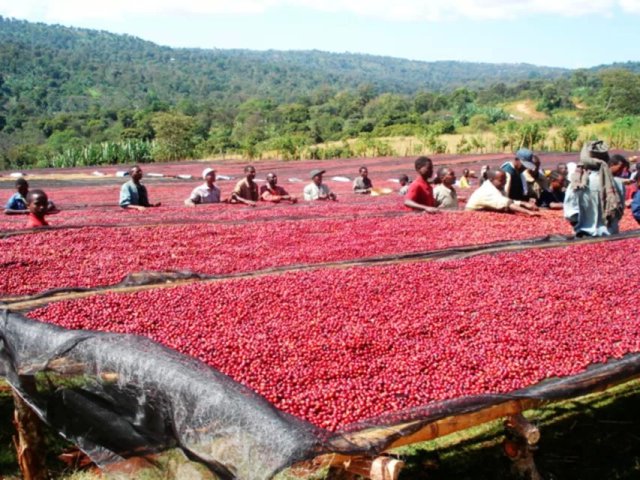
Treatment and cleaning of native coffee raw beans and roasted beans (sun, honey treatment) coffee beans
Tanning is a traditional method for the initial processing of coffee beans, and at present, almost all coffee-growing countries such as Ethiopia and Yemen still use solarization to treat raw beans. Sun treatment will first identify sunken beans in the sink, that is, ripe or half-ripe beans are spread in the drying farm for natural drying. The specific time depends on the local climatic conditions, which usually takes two to four weeks.
2016-04-25 Native coffee raw beans roasting solarization processing coffee beans cleaning tradition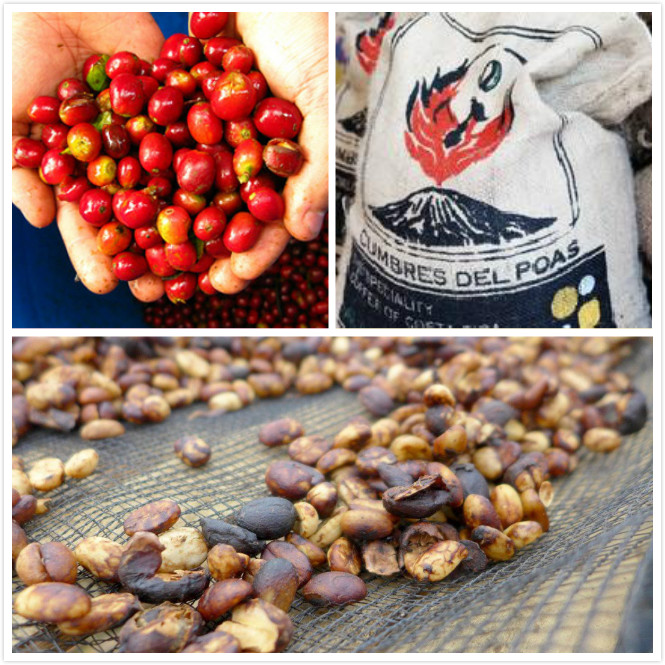
How to treat green coffee beans? Sunlight treatment Ethiopia Sunlight Ye Jia Xue Fei Ye Jia Xue Fei G1
Solarization is a traditional method of primary processing of coffee beans, and ancient coffee growing countries such as Ethiopia and Yemen still use solarization almost exclusively for raw beans. Sun-drying begins by spreading tank-identified beans, ripe or semi-ripe, on a drying ground. The exact time depends on local climatic conditions, and generally takes two weeks to four weeks.
2016-04-25 coffee green beans processing method sun ethiopia yega sherry
Introduction to the treatment of raw coffee beans-semi-washing method
It is a relatively new and rare method. This method is also suitable for processing local coffee only in specific areas of some countries where there is a long drying period in the climate. The coffee produced by this method is sticky, and the mucus is not removed with fermentation in the tank. Therefore, the coffee produced by this semi-wet treatment contains moisture treatment.
2015-11-04 Coffee raw beans treatment method introduction semi-water washing one comparison new and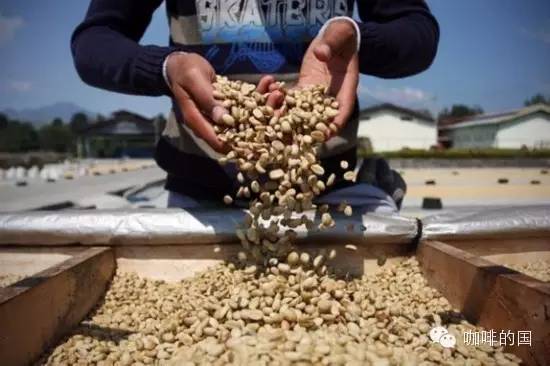
What is the difference in the taste of exactly the same coffee beans between washing and tanning?
Tanning is a traditional method for the initial processing of coffee beans, and at present, almost all coffee-growing countries such as Ethiopia and Yemen still use solarization to treat raw beans. Sun treatment will first identify sunken beans in the sink, that is, ripe or half-ripe beans are spread in the drying farm for natural drying. The specific time depends on the local climatic conditions, which usually takes two to four weeks.
2016-04-25 Completely similarly coffee beans water washing treatment sun taste there will be how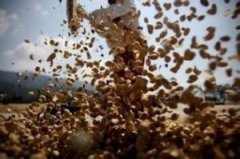
Introduction of semi-washing method for the treatment of raw coffee beans
It is a relatively new and rare method. This method is also suitable for processing local coffee only in specific areas of some countries where there is a long drying period in the climate. The coffee produced by this method is sticky, and the mucus is not removed with fermentation in the tank. Therefore, the coffee produced by this semi-wet treatment contains moisture treatment.
2015-11-04 Coffee raw beans treatment method introduction semi-water washing one comparison new and
Introduction to the description of the characteristics and flavor of the wet planing process of Indonesian Mantenin coffee beans
Manning's suffering will not upset you, but will make you feel more awake; before you encounter real pain, Manning is just an ordinary drink with a bitter taste, a refreshing liquid and a tool to slow you down. it can't sense your grievances, but there are many people who are crazy about Manning's.
2023-03-09 Nieman Tenin Coffee Flavor description Brand which is better introduction Mante