“pectin” search results (824)
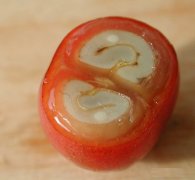
Knowledge of boutique coffee beans dissecting the interior picture of coffee beans
Coffee bean close-up, coffee bean internal cross-section map of the coffee fruit after the peel of the freshly ripe coffee fruit on the tree, the coffee fruit without the peel, inside two coffee beans with endocarp, silver peel coffee bean coffee fruit internal structure (coffee fruit includes exocarp, mesocarp, pectin layer, endocarp, coffee bean silver skin, endosperm, embryo.) Internal knot of coffee beans
2014-12-29 Boutique coffee beans knowledge anatomy interior close-ups crosscutting trees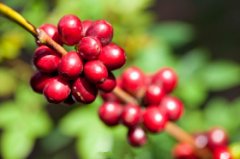
What does coffee fruit look like?
What we see every day is roasted coffee beans, and at most we have seen yellow-green coffee beans. That coffee bean is the most fruit. What is it like at first? What we usually see is a bit like cherries, so we sometimes call coffee cherries. Generally speaking, each coffee fruit contains two coffee beans. The beans are covered with pericarp, pulp and pectin.
2015-06-04 Coffee fruit exactly what is looks we everyday see all roast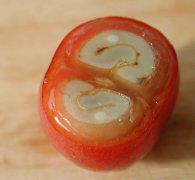
A close-up of dissecting coffee beans.
Coffee bean close-up, coffee bean internal cross-section map of the coffee fruit after the peel of the freshly ripe coffee fruit on the tree, the coffee fruit without the peel, inside two coffee beans with endocarp, silver peel coffee bean coffee fruit internal structure (coffee fruit includes exocarp, mesocarp, pectin layer, endocarp, coffee bean silver skin, endosperm, embryo.) Internal knot of coffee beans
2015-06-05 Coffee beans anatomy close-up coffee beans interior crosscut tree mature coffee
Anatomy of coffee beans A cross section of the interior of coffee beans
Coffee bean internal cross section view just ripe coffee fruit on the tree ripe coffee fruit after the peel cut coffee fruit after the peel removed coffee fruit, inside two coffee beans with endocarp, silver skin coffee fruit internal structure (coffee fruit includes exocarp, mesocarp, pectin layer, endocarp, coffee bean silver skin, endosperm, embryo) Coffee Bean Internal Structure Details
2015-09-11 coffee bean anatomy interior cross section tree mature coffee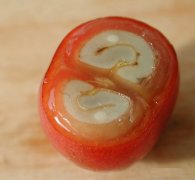
Coffee bean close-up cross-section of coffee bean inside
Coffee bean close-up, coffee bean internal cross-section map of the coffee fruit after the peel of the freshly ripe coffee fruit on the tree, the coffee fruit without the peel, inside two coffee beans with endocarp, silver peel coffee bean coffee fruit internal structure (coffee fruit includes exocarp, mesocarp, pectin layer, endocarp, coffee bean silver skin, endosperm, embryo.) Internal knot of coffee beans
2015-09-25 Coffee beans close-up interior crosscutting coffee beans tree Cheng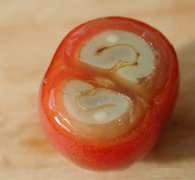
Anatomical structure Diagram of Coffee Bean
Go to the coffee taste network to exchange coffee bean close-up, coffee bean internal cross-cut map of the newly ripe coffee fruit on the tree after the peel of the coffee fruit is cut, the coffee fruit after the peel is removed, inside two coffee beans with endocarp, silver peel coffee bean coffee fruit internal structure (coffee fruit includes exocarp, mesocarp, pectin layer, endocarp, coffee bean silver skin, endosperm
2015-10-14 Coffee beans anatomy structure diagram interior go brown taste communication coffee beans close-up
What exactly does the coffee bean coffee fruit look like?
What we see every day are roasted coffee beans, at most we have seen yellow-green raw coffee beans, which is the most kind of fruit. What did it look like at first? What we usually see is a bit like cherries, so we sometimes call coffee fruits coffee cherries. Generally speaking, there are two coffee beans in each coffee fruit, which are covered with exocarp, pulp and pectin.
2014-09-25 Coffee bean coffee fruit
Coffee processing process flow chart Coffee making process Coffee bean brewing method introduction
The processing methods of coffee include water washing, semi-washing and natural drying. Different processing methods are adopted according to different regions, climates, types of coffee beans and other factors. Coffee beans processed by different methods will also show different flavors. [the processing method is as follows] 1. Peeling: using machinery or hands
2023-03-06 Coffee processing process flow chart production method
Introduction of coffee treatment method introduction of coffee tanning method and washing method
Pulped-natural, also known as honey treatment (Miel Process in Spanish), is said to refer to the process of making raw beans that are sun-dried with mucous membranes. The honey treatment process is vulnerable to pollution and mildew, so it needs to be closely watched throughout the process, constantly turning, and speeding up drying, so as to avoid bad fermentation flavor. Its advantage is that it can best preserve the original sweetness of the ripe fruit of coffee.
2016-07-11 Coffee treatment method introduction tanning washing
What exactly does the coffee fruit look like?
What we see every day are roasted coffee beans, at most we have seen yellow-green raw coffee beans, which is the most kind of fruit. What did it look like at first? What we usually see is a bit like cherries, so we sometimes call coffee fruits coffee cherries. Generally speaking, there are two coffee beans in each coffee fruit, which are covered with exocarp, pulp and pectin.
2015-09-15 Coffee fruit what is it what it looks like what we every day what we see is roasting.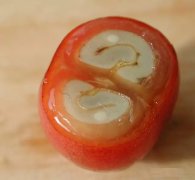
What are the fruits and seeds of coffee? What the coffee beans look like.
Coffee Cafe Coffee popular Science Coffee (coffee cherries) is oval, coffee flowers lag behind, the fruit is only the size of a match head, after 6 to 8 months of growth will slowly become larger. The size of the coffee fruit varies according to the cultivation environment and variety. If it is Arabica, the fruit will be the size of 1.5~2cm, and the more cross-sectional diameter will be in 1~1.5cm.
2015-09-10 Coffee fruit seed what coffee beans appearance
Coffee common sense what does the fruit of coffee look like?
What we see every day are roasted coffee beans, at most we have seen yellow-green raw coffee beans, which is the most kind of fruit. What did it look like at first? What we usually see is a bit like cherries, so we sometimes call coffee fruits coffee cherries. Generally speaking, there are two coffee beans in each coffee fruit, which are covered with exocarp, pulp and pectin.
2014-11-12 Coffee knowledge coffee common sense coffee fruit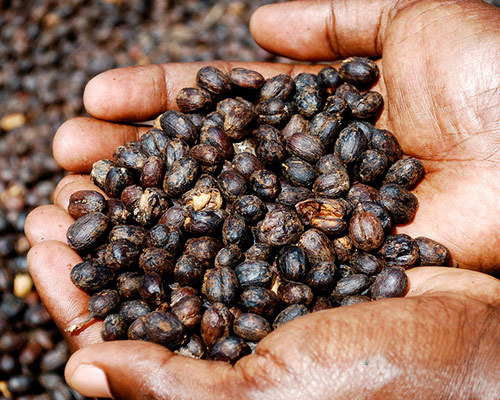
Please introduce the raw bean treatment method of coffee washing, semi-washing, sun drying and honey treatment in Costa Rica.
The first is dry treatment (secado), also known as natural all-day exposure (natural). After the coffee fruit is actually picked, it is dried directly in the sun. According to the weather conditions, it is generally necessary to dry the coffee beans for 2 weeks to reduce the water content of the coffee beans to 10%, 12%, and then use a machine to remove the dried peel and pulp. The raw bean processing plant (beneficio) usually keeps the outside of the coffee beans when the raw beans are stored.
2016-04-25 Introduction Coffee Water washing Solar treatment Raw beans one secado
The treatment of Brazilian coffee raw beans imported from Laos is a good result of roasting.
. Brazilian half-sun-natural removal of pectin: Brazil used to use the sun method in the past, the quality varies greatly, so that Brazil Yu is synonymous with middle and lower quality. However, in order to improve its quality and reverse its image, the world's largest coffee producer carried out a quality revolution in the 1990s and vigorously promoted the global half-sun method. Brazilian coffee fields are endless and are mostly harvested mechanically to conform to the classics.
2016-06-12 Brazil coffee raw beans treatment methods Laos imports coffee beans roasting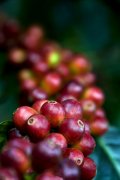
The way of picking beans from Coffee Fruit the processing of Coffee Cherry
The beans are sweeter when the coffee is picked after it is red and ripe. If coffee farmers in order to save trouble, no matter whether the coffee fruit is ripe or not, picking it together will make the coffee sour and astringent, so the fine coffee must choose the ripe red fruit. Distinguish between floating beans and sunken beans: coffee fruits picked from coffee fields should not be mistaken and must be sent to the processing plant on the same day. Immature
2015-03-27 Coffee beans way cherry processing process
Costa Rican Coffee-- description of Flavor and planting Environment
Although Costa Rica has won the recognition of coffee gluttons through honey-treated coffee beans, it is also closely related to Costa Rica's superior geographical and climatic conditions, and the selection of Arabica varieties of coffee. Costa Rica's high-quality coffee beans are called SHB, and the quality of hard beans (HB) and slightly hard beans (SH) decline in turn, and then at the same time
2016-09-19 Costa Rica Coffee Flavor description planting Environment producing area introduction Costa
What are the different characteristics of different varieties of coffee in coffee farms in coffee producing areas?
3. Brazilian half-sun-natural removal of pectin: Brazil used to use the sun method in the past, the quality varies greatly, so that Brazil Yu is synonymous with middle and lower quality. However, in order to improve its quality and reverse its image, the world's largest coffee producer carried out a quality revolution in the 1990s and vigorously promoted the global half-sun method. Brazilian coffee fields are endless and are mostly harvested mechanically to meet the requirements.
2016-05-24 Coffee producing areas manors different planted what characteristics Western style sun -
General knowledge of Fine Coffee explain the way to get beans from Coffee
The beans are sweeter when the coffee is picked after it is red and ripe. If coffee farmers in order to save trouble, no matter whether the coffee fruit is ripe or not, picking it together will make the coffee sour and astringent, so the fine coffee must choose the ripe red fruit. Distinguish between floating beans and sunken beans: coffee fruits picked from coffee fields should not be mistaken and must be sent to the processing plant on the same day. Immature
2015-05-15 Boutique coffee common sense detailed explanation extraction of beans way
Introduction to the characteristics of High-quality Coffee beans in the Manor area
Most of the coffee in Rwanda is washed. The water washing method will first wash and flotation the ripe coffee fruit, then remove the exocarp, pulp and part of the pectin layer, then send the coffee into the fermentation tank, remove the remaining pectin layer and then send it to the drying ground for drying treatment, so that the water content reaches about 13%. The coffee in the picture above is placed in an African shed to dry.
2016-08-10 Aroma persistence Rwanda coffee flavor taste manor producing area characteristics boutique
The flavor and taste of washed Rwandan coffee the characteristics of the manor producing area introduce the origin of Rwandan coffee.
Most of the coffee in Rwanda is washed. The water washing method will first wash and flotation the ripe coffee fruit, then remove the exocarp, pulp and part of the pectin layer, then send the coffee into the fermentation tank, remove the remaining pectin layer and then send it to the drying ground for drying treatment, so that the water content reaches about 13%. The coffee in the picture above is placed in an African shed to dry.
2016-08-04 Washing treatment Rwanda coffee flavor taste manor producing area characteristics introduction