“parchment” search results (1236)
The structure of coffee beans Coffee seeds Coffee net recommended Ethiopia Sidamo sun treatment Lion King
Some people often mistakenly think that coffee is directly grown with raw beans, and spend a long time thinking about how it does not germinate. Coffee is actually grown from seeds with an endocarp (Parchment). The endocarp (or parchment or paper skin) refers to the dark brown crust wrapped around the coffee seeds, and the coffee beans attached to that layer of skin are called Parchment Beans. And I'm going to open up the fully mature
2016-03-29 coffee beans construction coffee seeds recommendations ethiopia Dharma sun treatment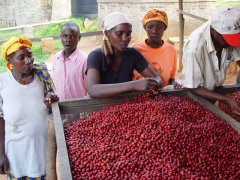
Dry treatment is also called natural all-day tanning.
Dry treatment (secado), also known as natural all-day exposure (natural). After the coffee fruit is actually picked, it is dried directly in the sun. According to the weather conditions, it is generally necessary to dry the coffee beans for 2 weeks to reduce the water content of the coffee beans to 10%, 12%, and then use a machine to remove the dried peel and pulp. The raw bean processing plant (beneficio) usually retains the parchment shell on the outside of the coffee bean when the raw bean is stored.
2016-05-23 Secado also known as natural solarization processing also known as natural solarization.
Taste rich and perfect Kenyan coffee flavor description taste grindness treatment Variety characteristics Manor
Kenyan coffee is mostly grown at an altitude of 1500m, 2100m, and is harvested twice a year. To ensure that only ripe berries are picked, people must tour the forest about seven times. Kenyan coffee is grown by small farmers. After they harvest the coffee, they first send the fresh coffee beans to the cooperative cleaning station, where the washed and dried coffee is covered with parchment beans.
2016-10-07 Taste rich beautiful Kenya coffee flavor description grinding processing variety
Fine coffee beans recommend Kenyan coffee raw beans
Kenyan coffee is grown by small farmers. After they harvest the coffee, they first send fresh coffee beans to a cooperative cleaning station, where they send the washed and dried coffee to the cooperative in the form of parchment beans, and then charge an average price for Kenyan coffee, raw beans, Kenya AA green bean coffee, according to their actual quality, to Kenya in the 19th century, when Ethiopian coffee was introduced into Kenya.
2014-10-18 Coffee knowledge coffee beans Kenyan coffee raw beans
Treatment of Coffee fruits-- washing
When the coffee fruit is harvested from the mountain, the next step is to remove the peel and pulp of the coffee beans. There are two main ways of treatment: washing and solarization. But the ultimate determining factor is whether there is enough water to use. Some special boutique coffees are both insolated and washed.
2014-08-22 Coffee knowledge coffee fruit treatment coffee bean treatment washing
A brief introduction to the grading system of coffee beans in Ethiopia
The evaluation criteria of Egyptian beans were developed with the assistance of the American Fine Coffee Association (SCAA). (why can't Egypt, as the home country of coffee, formulate it independently? Yeah! Think about it)-Egypt fully implemented a central auction system in 2008 (used to be purchased by exporters)-briefly talk about some pre-auction processes. 1) Farmers pick fresh coffee fruit; 2) Farmers take fresh coffee
2014-08-22 Coffee knowledge Ethiopian coffee beans coffee bean rating system
On the processing of coffee beans
There are two ways to prepare coffee beans for the baking process. The method chosen has a significant impact on the final value and quality of coffee. The cheapest method of processing is called "drying", which is used for lower-grade coffee beans, while higher-quality coffee beans are processed by "wet treatment".
2014-08-08 Coffee knowledge coffee bean processing coffee encyclopedia
How to become a boutique coffee bean-Pt coffee
When the bean has a good variety, planted in the area most likely to breed fragrant elves, with different elevations, soils, microclimates, and the careful care of coffee farmers, it thrives and is fruitful. BUT! Not all red fruits can become a boutique coffee bean! Today, let's talk about what kind of experience this magical fruit has to go through before it can become a boutique.
2016-09-06 How to become one boutique coffee beans -Pt coffee this one own excellent
Treatment of Coffee Fruit and Coffee beans
When the coffee fruit is harvested from the mountain, the next step is to remove the peel and pulp of the coffee beans. There are two main ways of treatment: washing and solarization. But the ultimate determining factor is whether there is enough water to use. Some special boutique coffees are both insolated and washed. Washing requires the use of special machinery and equipment and adequate water sources.
2015-04-16 Coffee fruit coffee beans treatment washing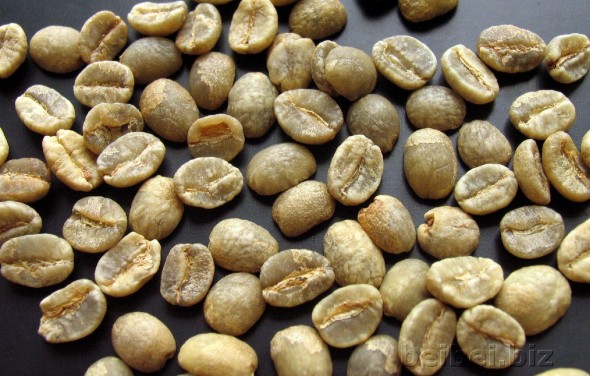
Introduction of world boutique coffee beans: Kenya coffee raw bean Kenya AA green bean
Introduction: Kenyan coffee is grown by small farmers. After they harvest the coffee, they first send the fresh coffee beans to a cooperative cleaning station, where they send the washed and dried coffee to the cooperative in the form of parchment beans, and then charge an average price for Kenyan coffee, raw beans, Kenya AA green bean coffee, according to their actual quality, into Kenya in the 19th century, when Ethiopia.
2015-12-17 World boutique coffee beans introduction Kenya coffee raw beans g
Harvesting and processing of coffee
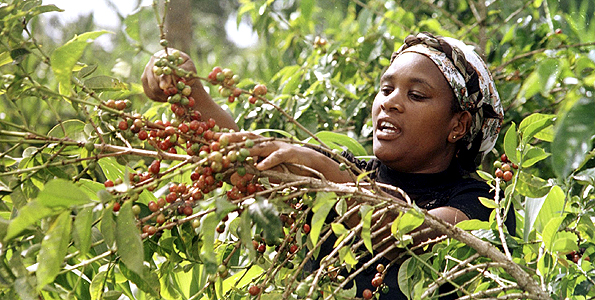
Coffee is the fruit of a Rubiaceae plant growing about 6000 feet above sea level, distributed on the world's narrow subtropical axis; coffee trees grow green all the year round and can grow up to 20 feet tall, and are generally controlled at 8 to 10 feet for easy harvest.
2014-06-17 Coffee knowledge coffee processing coffee harvesting coffee encyclopedia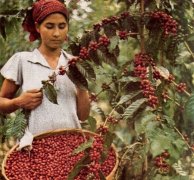
How to become a boutique coffee bean how to choose a boutique coffee bean?
When the bean has a good variety, planted in the area most likely to breed fragrant elves, but also has the careful care of coffee farmers, thrive and fruitful. BUT! Not all red fruits can become a boutique coffee bean! Today, let's talk about what kind of experience this magical fruit has to go through in order to become a boutique coffee! First of all, it must be mature.
2016-03-16 How to become a boutique coffee beans choose how pick this own
Processing and characteristics of Coffee Fruit
Coffee is the fruit of a Rubiaceae plant growing about 6000 feet above sea level, distributed on the world's narrow subtropical axis.
2014-07-08 Coffee knowledge coffee bean processing coffee bean characteristics coffee encyclopedia
How to dissect the flavor of Panamanian coffee
1. Skin/Pulp: the outermost layer of coffee beans is covered with berry-like skin and pulp. In addition to the natural sun method, coffee beans treated by other methods must remove the skin and flesh within a few hours after picking. Similar to the cherries we often eat, the difference is that when we eat cherries, we mainly eat the pulp and peel of berries. For coffee
2016-06-06 Coffee fruit should how dissect Panama flavor peel pulp Sk
How to become a boutique coffee bean
When the bean has a good variety, planted in the area most likely to breed fragrant elves, with different elevations, soils, microclimates, and the careful care of coffee farmers, it thrives and is fruitful. BUT! Not all red fruits can become a boutique coffee bean! Today, let's talk about what kind of experience this magical fruit has to go through before it can become a boutique.
2016-08-22 How to become a boutique coffee bean this own excellent variety planting
Seven factors affecting hand-brewed coffee
When the bean has a good variety, planted in the area most likely to breed fragrant elves, with different elevations, soils, microclimates, and the careful care of coffee farmers, it thrives and is fruitful. BUT! Not all red fruits can become a boutique coffee bean! Today, let's talk about what kind of experience this magical fruit has to go through before it can become a boutique.
2016-08-22 Influence hand brewing coffee seven factors this one possession fine variety planting
Kenyan Jinchu Coffee Flavor description introduction to the Grinding degree of Fine Coffee beans
Kenyan coffee is mostly grown at an altitude of 1500m, 2100m, and is harvested twice a year. To ensure that only ripe berries are picked, people must tour the forest about seven times. Kenyan coffee is grown by small farmers. After they harvest the coffee, they first send the fresh coffee beans to the cooperative cleaning station, which will wash and dry the coffee with parchment coffee beans.
2016-09-28 Kenya Jinchu coffee flavor description variety boutique coffee beans grinding mouth
Coffee common sense what is the processing of coffee beans
There are two ways to prepare coffee beans for the baking process. The method chosen has a significant impact on the final value and quality of coffee. The cheapest method of processing is called drying, which is used for lower-grade coffee beans, while higher-quality coffee beans are processed by wet treatment. Drying is used for unwashed coffee beans. Wet treatment used for thorough cleaning or semi-cleaning.
2015-01-19 Coffee common sense coffee beans processing process how roasting preparation coffee
Fine Coffee Science explains the processing of coffee beans in detail
There are two ways to prepare coffee beans for the baking process. The method chosen has a significant impact on the final value and quality of coffee. The cheapest method of processing is called drying, which is used for lower-grade coffee beans, while higher-quality coffee beans are processed by wet treatment. Drying is used for unwashed coffee beans. Wet treatment used for thorough cleaning or semi-cleaning.
2014-10-29 Coffee knowledge boutique coffee science coffee bean processing
Coffee treatment method sun and water washing honey treatment method
Skin/Pulp: the outermost layer of coffee beans is covered with berry-like skin and pulp. In addition to the natural sun method, coffee beans treated by other methods must remove the skin and flesh within a few hours after picking. Similar to the cherries we often eat, the difference is that when we eat cherries, we mainly eat the pulp and peel of berries. For coffee.
2016-05-24 Coffee treatment method solarization washing peel pulp Skin Pulp