“new beans” search results (10000)
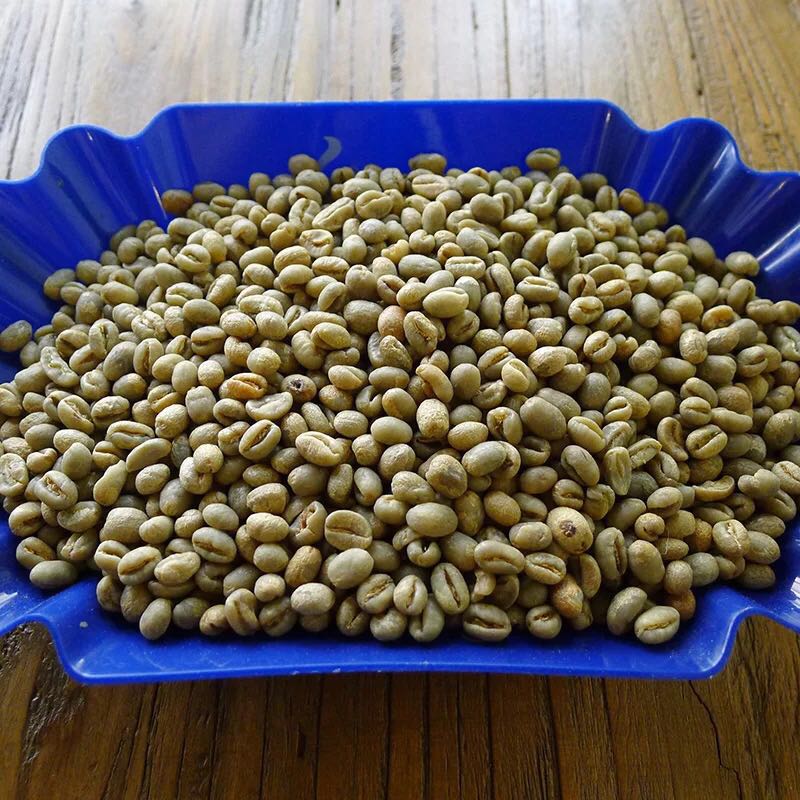
Characteristics of Papua New Guinea Coffee beans introduction of fine coffee in Papua New Guinea
The legendary background of modern coffee. In PapuaNewGuinea, about 75 per cent of coffee products come from small local farmers
2016-05-09 Papua New Guinea coffee beans characteristics introduction boutique coffee
Characteristics of Papua New Guinea Coffee beans introduction of fine coffee in Papua New Guinea
The legendary background of modern coffee. In PapuaNewGuinea, about 75 per cent of coffee products come from small local farmers
2016-05-10 Papua New Guinea coffee beans characteristics introduction boutique coffee
Flavor and taste characteristics of boutique coffee Papua New Guinea coffee
Flavor and taste characteristics: full particles, moderate acidity, mellow taste. Papua New Guinea is an island country in Oceania. Papua means curly hair in Malay. It is said that in 1545, the explorer Retes arrived on the island and found that most of the people's hair on the island was curly, that is, the island was called the island of curly hair, so the name was handed down. Location heat
2016-06-02 Boutique coffee Papua New Guinea flavor taste characteristics special
Common sense of Coffee producing countries Coffee from New Caledonia
New Caledonia (NewCaledonia) is a former French colony, with only 10 per cent of the land available for farming, with coffee and corn being its main crops. In 1860 missionaries introduced coffee from LaReunion. Coffee producing area of New Caledonia: the variety of coffee beans grown in New Caledonia is the extraordinary Robbite coffee. The specialty of New Caledonia Coffee
2015-03-26 Coffee beans country of origin common sense New Kerry Niya Coffee New
A relatively rare variety of high-alcohol and medium-acidity coffee in coffee, Papua New Guinea Coffee beans.
Papua New Guinea has a detached and primitive natural environment and its land is vast and fertile. Its unique volcanic rock soil and abundant rainfall create excellent natural conditions for the growth of coffee. The top coffee beans in Papua New Guinea are as beautiful and precious as the country's national bird of paradise. Coffee is widely grown in the country at an altitude of 1300 to 1800 meters above sea level.
2016-06-24 Coffee medium less some high alcohol medium acidity seed Babu guineas
The main components of raw beans are new beans and old beans.
After dry and wet processing, coffee fruit becomes coffee raw bean (Raw bean/Green bean). The main components of raw beans are: carbohydrates, about 49%; moisture, about 12%; protein. About 11%; chlorogenic acid, about 7.6% alkaloids and trace elements, about 0.4%. According to the length of time, raw beans can be divided into: seasonal beans (Current Cro)
2015-10-13 Raw beans mainly divided into new beans old beans coffee fruit after dry and wet
Introduction of Papua New Guinea coffee beans with fruit flavor and herbal aroma
The coffee production in Papua New Guinea is not very high, and its coffee beans are carefully washed Arabica beans. Generally washed coffee beans are full of bright fruit aromas, but do not have a strong acidity. It is characterized by a silky soft taste and excellent aroma, moderate acidity, and is a relatively rare variety of high-alcohol and medium-acidity coffee, regardless of
2016-06-24 With fruit flavor herbs fragrance characteristics Papua New Guinea coffee beans
Coffee raw beans: the difference between new beans and old beans
Coffee training knowledge: coffee raw beans: new beans and old beans. After dry and wet processing, coffee fruit becomes coffee raw bean (Raw bean/Green bean).
2014-05-16 Coffee knowledge coffee beans coffee raw beans
The practice of coffee beans in Papua New Guinea Fine Coffee grown in Papua New Guinea
The legendary background of modern coffee. In PapuaNewGuinea, about 75 per cent of coffee products come from small local farmers
2016-05-10 Papua New Guinea coffee beans practices cultivation boutique coffee
Introduction of Papuan New Guinean Coffee with both fragrant fruit aroma and cocoa flavor
The coffee production in Papua New Guinea is not very high, and its coffee beans are carefully washed Arabica beans. Generally washed coffee beans are full of bright fruit aromas, but do not have a strong acidity. It is characterized by a silky soft taste and excellent aroma, moderate acidity, and is a relatively rare variety of high-alcohol and medium-acidity coffee, regardless of
2016-06-29 Not only fragrant fruity but also cocoa flavor Babu Axin Guineau coffee
Boutique coffee beans common sense how to distinguish between new beans and old beans
After dry and wet processing, coffee fruit becomes coffee raw bean (Raw bean/Green bean). The main components of raw beans are: carbohydrates, about 49%; moisture, about 12%; protein. About 11%; chlorogenic acid, about 7.6% alkaloids and trace elements, about 0.4%. According to the length of time, raw beans can be divided into: seasonal beans (Current Cro)
2014-11-20 Coffee knowledge boutique coffee bean common sense new beans old beans
Taste balanced, mellow, full-bodied with chocolate flavor New Oriental Manor New Oriente
The term "fine coffee" was first put forward by Ms. Knudsen of the United States in Coffee and Tea magazine. At that time, Ms. Knudsen, as a coffee buyer at B.C. Ireland in San Francisco, was very dissatisfied with the neglect of the quality of raw coffee in the industry, and even some big roasters mixed a large amount of Robesda beans in the comprehensive beans, so she put forward the concept of boutique coffee.
2016-06-23 Taste balanced thick plump with chocolate charm New Oriental Manor N
The characteristics of Papua New Guinea Coffee beans the price of fine coffee in Papua New Guinea
The legendary background of modern coffee. In PapuaNewGuinea, about 75 per cent of coffee products come from small local farmers
2016-05-09 Papua New Guinea coffee beans characteristics price boutique coffee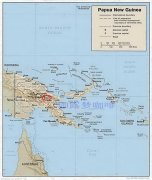
Coffee Bean Manor introduces organic coffee from Papua New Guinea
Organic coffee (Purosa Estate M10 JAS Organic) in Papua New Guinea the seeds of coffee from Papua New Guinea were introduced from Jamaica, Kenya, Tanzania and other countries more than 70 years ago in the 1930s. Formal planned cultivation since the 1950s; the main producing areas are Groca and Madha in the central mountains. This Polosa.
2015-01-19 Coffee beans Manor introduction Papua New Guinea Organic Coffee
Introduction to the treatment and baking degree of raw beans in Papua New Guinea
The sweetness of Papua New Guinea is high, with apricot-like bright and rising acidity, the palate is balanced and full-bodied, the overall flavor is balanced and elegant, clean and smooth, with fruit aromas. Generally speaking, it is difficult to guarantee a good alcohol thickness for coffee with good acidity, but the commendable thing about Papua New Guinea is that it has both high quality and moderate acid.
2016-06-28 Papua New Guinea raw beans treatment method baking degree introduction Papua New
Fine coffee learn the difference between new beans and old beans of raw coffee
After dry and wet processing, coffee fruit becomes coffee raw bean (Raw bean/Green bean). The main components of raw beans are: carbohydrates, about 49%; moisture, about 12%; protein. About 11%; chlorogenic acid, about 7.6% alkaloids and trace elements, about 0.4%. According to the length of time, raw beans can be divided into: seasonal beans (Current Cro)
2014-09-29 Coffee knowledge boutique coffee science coffee raw beans new coffee beans old coffee beans
Boutique Coffee Papua New Guinea Coffee beans Papua New Guinea PNG Kimmel Manor A-grade water
The legendary background of modern coffee. In PapuaNewGuinea, about 75 per cent of coffee products come from small local farmers
2016-05-10 Boutique Coffee Papua New Guinea Coffee beans PNG Mayer Manor Grade Water
Introduction to Papua New Guinea Coffee with full grains and moderate acidity
The coffee beans of Papua New Guinea are processed washed Arabica beans with a taste similar to the bright notes of Central and South America, with obvious sour aromas, sometimes orange, flower and fruit, slightly spicy and chocolate, and long-lasting sweet aromas of caramel. Flavor reference: refreshing herbaceous and floral aromas, tenderness of Central and South American beans, slightly sour, fruity, sticky
2016-06-29 Granules plump acidity medium Papua New Guinea Coffee introduction Papua New
Papua New Guinea coffee with aromatic fruit and cocoa flavours
Papua New Guinea has a transcendent, pristine natural environment with vast and fertile land. Its characteristic volcanic soil and abundant rainfall create excellent natural conditions for the growth of coffee. Papua New Guinea's top coffee beans are as beautiful and precious as the country's national bird of paradise. Because coffee is commonly grown in the country at altitudes of 1,300 to 1,800 meters, coffee
2016-06-22 Aroma fruity cocoa flavours babu guinea coffee presentation
Introduction to Paradise Bird Manor in Papua New Guinea Coffee Manor
The government's response is to establish a new level of quality, temporarily suspend the production of coffee such as Y, and no longer implement the policy of one grade and one price. This allows buyers to price according to quality, which is bound to have an impact on the income of farmers who produce shoddy coffee beans. By 1993, the quality problem had been basically solved. Most regular customers are buying coffee from Papua New Guinea again. Y Coffee
2016-07-25 Papua New Guinea Coffee Manor producing area Flavor palate characteristics introduction Day