“natural fermentation” search results (1000)

Introduction to the Origin of civet Coffee the characteristics of civet coffee
Muscat coffee (Kopi Luwak), Kopi (Indonesian, coffee), Luwak refers to a kind of arboreal wild animal commonly known as civet in Indonesia. In Sumatra, Indonesia, locals call civets Musang rather than the commonly used Luwak,Kopi Musang is civet coffee, commonly known as Kopi Luwak. From "Coffee Fine Science"
2016-05-06 Musk coffee origin introduction characteristics musk Kopi Luwa
Production and processing of coffee beans
Coffee beans are stripped of skin, pulp, rind and silver before they are shipped to the market. There are two methods: drying (also known as natural method or non-washing) and washing. Drying method: The method is relatively simple. First, the newly harvested fruit is widely distributed in the sun field for one or two weeks until the fruit makes a cracking sound. After natural drying, the dried pulp is removed with a hulling machine.
2015-05-20 coffee beans production processing method shipment listing passing removal outside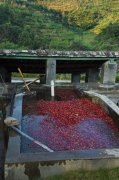
Wet treatment and step-by-step washing of Yunnan coffee beans
In this blog post, I will introduce to you the steps of wet treatment in Yunnan after coffee picking. After harvest, the berries are either sent directly to the pulp collector (if the harvest is done well), or concentrated in a siphon tank filled with water. The berries are washed and separated in this jar. The stone sank to the bottom of the jar and picked it up by hand when the jar was emptied.
2015-09-14 Yunnan coffee beans treatment steps washing this article in this article I will everyone introduce
Wet treatment methods and steps of Yunnan coffee beans treated with honey
As the harvest season is almost over, I would like to add an overview of the coffee processing process. In this blog post, I will introduce to you the steps of wet treatment in Yunnan after coffee picking. After harvest, the berries are either sent directly to the pulp collector (if the harvest is done well), or concentrated in a siphon tank filled with water. The berries are here.
2015-03-20 Processing Yunnan coffee beans steps harvest season right away over here make up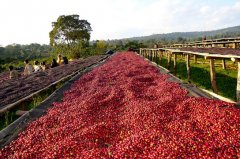
Basic knowledge of Coffee Wet treatment methods and steps of Yunnan Coffee beans
As the harvest season is almost over, I would like to add an overview of the coffee processing process. In this blog post, I will introduce to you the steps of wet treatment in Yunnan after coffee picking. After harvest, the berries are either sent directly to the pulp collector (if the harvest is done well), or concentrated in a siphon tank filled with water. The berries are here.
2015-04-02 Coffee basics common sense Yunnan coffee beans processing steps harvest season right away
Washed-naturally dried Salvadoran coffee flavor introduced to Mercedes Village in the Santa Ana Volcano region
1 Anny Ruth introduces the manor LOMA LAGLORIA; 2, the production, treatment and cultivation of Salvadoran coffee; 3, red bourbon cup test of fresh arrival LOMA LAGLORIA (washing, dry fermentation, white honey, yellow honey treatment); (participants are invited to bring their own cup tester) 4, interactive session, participants ask the manor owner questions about coffee: F
2016-07-05 Washing Natural dry El Salvador Coffee Flavor introduction Anna Volcano Earth
Coffee fermentation is one of the most important steps in wet processing of coffee.
Coffee fermentation is one of the most important steps in wet processing of coffee, which is related to the quality of coffee.
2014-05-19 Coffee knowledge coffee fermentation coffee wet processing
Coffee bean processing coffee washing method or drying method is better
The refined processing of coffee beans has about 8 processes, such as rough processing, separation, classification, fermentation, drying, shelling, polishing, sorting and so on. There are two ways to prepare coffee beans for the baking process. The method chosen has a significant impact on the final value and quality of coffee. The cheapest processing method is called drying, which is used for lower grade coffee beans and higher quality coffee beans.
2015-11-04 Coffee beans processing coffee washing drying which one?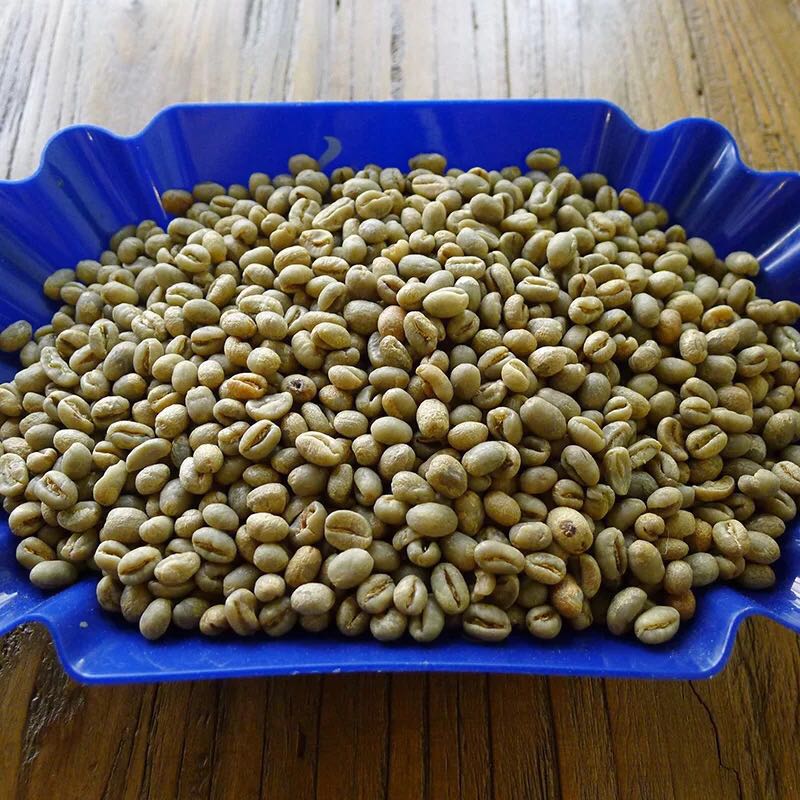
How much is Kopi Luwak? the origin of Kopi Luwak Indonesia Kopi Luwak
Civet Coffee (Kopi Luwak), native to Indonesia. It is one of the most expensive coffee in the world, with a price of several hundred dollars per pound. It is extracted from the feces of the civet and processed. The civet eats the ripe coffee fruit and is excreted through the digestive system. After it is fermented through the stomach, the coffee produced has a special taste and has become a grab in the international market.
2016-05-08 Cat shit coffee less money origin Indonesia
Delicious coffee has become popular like shit coffee after Kopi Luwak.
Many people should have heard of the world's most expensive Kopi Luwak! Is to let the civet eat the ripe coffee fruit, and then through the digestive system out of the body, manual extraction and processing. Through the natural fermentation of the musk cat's stomach, the coffee produced has a special taste and has become a hot item in the international market. And the elephant shit coffee in northern Thailand is more or less the same.
2016-04-30 Delicious coffee after the cat like shit and hot a handful
Indonesia's boutique coffee is rich in "shit" to the most expensive coffee.
Civet coffee: civet coffee (Kopi Luwak), Kopi (Indonesian, coffee), Luwak refers to a kind of arboreal wild animal commonly known as civet in Indonesia. Civet coffee is the most expensive coffee in the world, with a price of several hundred dollars per pound. It is extracted from the civet's feces and processed. The civet eats the ripe coffee fruit and discharges it through the digestive system.
2015-06-11 Indonesia boutique coffee rich the most expensive musk Kopi Luwa
Drying and washing in the process of producing and processing coffee beans
Coffee beans have to go through the removal of skin, pulp, racing peel and silver skin before shipping to market. There are two kinds of methods: drying (also known as natural or non-washing) and washing. Drying: the method is relatively simple. First, spread the freshly harvested fruit on the sun field for a week or two until the fruit crackles. After natural drying, use a sheller to remove the dried pulp.
2015-11-07 Production processing coffee beans process drying and water washing shipping upper
Basic knowledge of Coffee processing Secrets of Coffee beans
After the fruit is harvested, the outer skin, pulp, endocarp and silver skin should be removed before shipping. There are two kinds of methods: drying (also known as natural or non-washing) and washing. The drying method is relatively simple. First of all, spread the freshly harvested fruit on the exposure field for a week or two until the fruit crackles and dries naturally. After that, the sheller will dry the fruit.
2014-11-08 Coffee knowledge coffee basics coffee beans coffee processing
Origin of boutique Kopi Luwak Coffee Coffee Price death wish Coffee Blue Mountain Coffee
Muscat coffee (Kopi Luwak), Kopi (Indonesian, coffee), Luwak refers to a kind of arboreal wild animal commonly known as civet in Indonesia. In Sumatra, Indonesia, locals call civets Musang rather than the commonly used Luwak,Kopi Musang is civet coffee, commonly known as Kopi Luwak. From "Coffee Fine Science"
2016-05-04 Boutique cat shit coffee origin musk price death wish blue mountain
Introduction to the production mode and production method of coffee beans
The coffee beans are treated after harvest, otherwise they will begin to ferment, making the coffee beans smell bad. The main methods of treatment are drying and washing, which will cause different flavors. Dry beans have complete natural mellow taste, gentle aroma and more gum, while water washing type has good mellow taste, high aroma and lively sour taste, which is also concentrated.
2016-06-06 Coffee beans mode of production production methods production process planting introduction coffee beans
Steps of wet treatment of Yunnan coffee beans explain the treatment process of raw beans
Guide: the harvest season is almost over, so I would like to add an overview of the coffee processing process. In this blog post, I will introduce to you the steps of wet treatment in Yunnan after coffee picking. As the harvest season is almost over, I would like to add an overview of the coffee processing process. In this blog post, I will introduce to you after coffee picking, after
2015-11-26 Yunnan coffee beans processing steps commentary raw beans process reading guide harvest season
How should coffee beans be treated? coffee washing and tanning?
Coffee beans harvested in the sun must immediately enter the treatment process, otherwise they will begin to ferment and produce a peculiar smell. There are two methods of treatment, the sun method and the water washing method. The beans of the sun method have a complete natural mellow taste, and the coffee beans with gentle aroma and more glue must enter the treatment program immediately, otherwise they will begin to ferment and make the coffee beans smell peculiar.
2016-06-04 Coffee beans should how carry out processing coffee washing sun drying
Monsoon Malabar coffee has a heavy texture and a faint bitter taste, as well as a weak sour taste.
In BC, raw coffee beans produced in India entered England through the Suez Canal in Egypt. At that time, Indian coffee raw beans were loaded on the floor of the cargo warehouse of the cargo ship. due to the long sailing time of the ship, the raw beans fermented naturally in the cargo warehouse with high temperature and humidity. After arriving in Europe, fermented Indian coffee beans are consumed by Europeans who cannot recognize the difference. Later, Europe
2016-05-05 Monsoon Mara Barr coffee with heavy gentle hidden astringent and
What is the history of French coffee in the handling of coffee beans?
One step: retain 100% pectin, and then reduce the water content of raw beans to 10% 12% by either solarization or machine drying or a combination of both. Another step: according to different needs, adjust the setting of the pectin removal machine so that the parchment shell retains different proportions of pectin, and then reduce the water content of raw beans to 10% Mel 12% by either solarization or machine drying or a combination of both. Washing fermentation
2016-06-08 Coffee beans processing methods which France coffee history one step retention
The process of turning a coffee fruit into a coffee bean.
After the fruit is harvested, the outer skin, pulp, endocarp and silver skin should be removed before shipping. There are two kinds of methods: drying (also known as natural or non-washing) and washing. The drying method is relatively simple. First of all, spread the freshly harvested fruit on the exposure field for a week or two until the fruit crackles and dries naturally. After that, the sheller will dry the fruit.
2015-04-21 Coffee beans processing secret books coffee process harvest fruit shipping listing removal