“mixed race” search results (300)
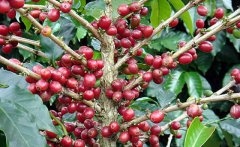
Coffee recommends that Colombian Colombia is mainly Kaddura and mixed-race Colombian.
The main species of Columbia Colombia are Kaddura species and mixed-race Colombian species. Colombia's rich geomorphology and microclimate have created its diversity of styles, and its unique low-latitude and high-altitude geography is an excellent condition for the growth of boutique coffee, so many coffee farmers have sprung up to grow, pick and process independently.
2016-05-16 Coffee recommendation Columbia Colombia Dula mixed race Lombe Asia
Coffee recommends that Colombian Colombia is mainly Kaddura and mixed-race Colombian.
The main species of Columbia Colombia are Kaddura species and mixed-race Colombian species. Colombia's rich geomorphology and microclimate have created its diversity of styles, and its unique low-latitude and high-altitude geography is an excellent condition for the growth of boutique coffee, so many coffee farmers have sprung up to grow, pick and process independently.
2016-05-16 Coffee recommendation Columbia Colombia Dula mixed race Lombe Asia
Coffee recommends that Colombian Colombia is mainly Kaddura and mixed-race Colombian.
The main species of Columbia Colombia are Kaddura species and mixed-race Colombian species. Colombia's rich geomorphology and microclimate have created its diversity of styles, and its unique low-latitude and high-altitude geography is an excellent condition for the growth of boutique coffee, so many coffee farmers have sprung up to grow, pick and process independently.
2016-05-16 Coffee recommendation Columbia Colombia Dula mixed race Lombe Asia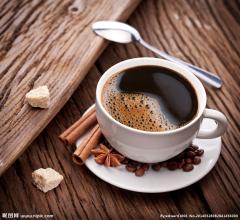
Introduction of mixed-race Pacamara, Durai and Kaddura Coffee from El Salvador
The grading standard of Salvadoran coffee is based on the altitude of planting, the highest grade is SHG: more than SHG:Strictly High Grown-1200 meters, more than HG:High Grown-900 meters, and more than CS:Central Standard-600 meters. Introduction to Pacamara: Pacamara varieties are artificially cultivated varieties of Pacas and Maragogipe. 1958 by Salva
2016-06-22 Salva Dodo mixed race Parka Mara Dula coffee variety introduction Sal
Yunnan coffee Yunnan also has fine coffee Yunnan races
The term "fine coffee" was first put forward by Ms. Knudsen of the United States in Coffee and Tea magazine. At that time, Ms. Knudsen, as a coffee buyer at B.C. Ireland in San Francisco, was very dissatisfied with the neglect of the quality of raw coffee in the industry, and even some big roasters mixed a large amount of Robesda beans in the comprehensive beans, so she put forward the concept of boutique coffee.
2016-06-06 Yunnan coffee also boutique race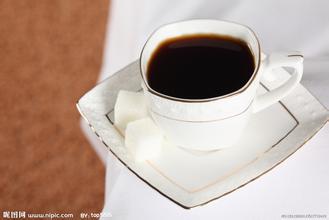
Introduction to the characteristics of the whole soft and slightly sour Salvadoran coffee flavor manor
In 1998, El Salvador had a total population of 6.1 million (estimated), of which Indo-Europeans accounted for 89 per cent, Indians 10 per cent and whites 1 per cent. In 2012, El Salvador had a total population of 6.090646 million, of which 90 per cent were of mixed Indo-European race, 9 per cent of whites and 1 per cent of Indians aged 0 to 14, 29.7 per cent aged 15 to 64, 63.7 per cent aged 65 and above. 2013, El Salvador
2016-08-24 Overall soft slightly acidic El Salvador coffee flavor taste manor producing area special
Different factions of coffee market, horse racing enclosure, local cafes fall into an endless cycle.
I'm either at the cafe or on my way to the cafe. Listeners may curl their lips and say disapprovingly that the catchphrase, which represents American coffee culture, has become OUT. Indeed, an army of various styles of coffee is pouring in, targeting the Chinese people's pockets. Whether it is American style, British style, Korean style, literature and art control or gem, behind the racing enclosure in different factions of cafes
2014-04-27 Coffee market different factions horse racing enclosure local cafe fall into cycle
Introduction of Salvadoran Coffee Flavor Manor
El Salvador boutique coffee is concentrated in the volcanic rock producing areas of Santa Ana in the west and Charantanan fruit in the northwest. In recent years, the top 10 cup tests are almost entirely from these two producing areas, with an altitude of about 9-1500 meters, mainly bourbon (68%). Followed by Pacas (29%), mixed-race Pakamara, Dulaai and Kaddura accounted for only 3%. The coffee harvest season has been held since November.
2016-07-22 El Salvador coffee beans which brand coffee flavor manor producing area introduction
Introduction of fragrant El Salvador boutique coffee flavor and taste manor area
El Salvador boutique coffee is concentrated in the volcanic rock producing areas of Santa Ana in the west and Charantanan fruit in the northwest. In recent years, the top 10 cup tests are almost entirely from these two producing areas, with an altitude of about 9-1500 meters, mainly bourbon (68%). Followed by Pacas (29%), mixed-race Pakamara, Dulaai and Kaddura accounted for only 3%. The coffee harvest season has been held since November.
2016-07-25 Taste fragrance El Salvador boutique coffee flavor taste manor producing area introduction
Flavor and taste characteristics of El Salvador Himalayan Coffee Manor
Savanna climate. The plain area belongs to the tropical rain forest climate and the mountain area belongs to the subtropical forest climate. The average annual temperature is 25-28 ℃. The annual precipitation is more than 1800 mm in mountain areas and about 1000 mm in coastal areas. The rainy season is from May to October. Don't underestimate El Salvador's coffee production. In its heyday, it was the world's fourth largest coffee producer, but decades of civil war almost dragged down coffee
2016-08-26 El Salvador Himalayas coffee manors producing areas flavor taste characteristics boutique
Introduction to the characteristics of the manor producing area of El Salvador boutique coffee beans with mild taste
El Salvador boutique coffee is concentrated in the volcanic rock producing areas of Santa Ana in the west and Charantanan fruit in the northwest. In recent years, the top 10 cup tests are almost entirely from these two producing areas, with an altitude of about 9-1500 meters, mainly bourbon (68%). Followed by Pacas (29%), mixed-race Pakamara, Dulaai and Kaddura accounted for only 3%. The coffee harvest season has been held since November.
2016-08-15 Taste mild El Salvador boutique coffee beans flavor taste manor producing area
El Salvador essence concentrated in Santa Ana in the west and Charantan fruit volcanic rocks in the northwest.
El Salvador boutique coffee is concentrated in the volcanic rock producing areas of Santa Ana in the west and Charantanan fruit in the northwest. In recent years, the top 10 cup tests are almost entirely from these two producing areas, with an altitude of about 9-1500 meters, mainly bourbon (68%). Followed by Pacas (29%), mixed-race Pakamara, Dulaai and Kaddura accounted for only 3%. The coffee harvest season has been held since November.
2016-06-21 Concentrated west Santa Anna northwest Charan Tannan volcanic rocks producing areas sa
Introduction to the characteristics of Salvadoran Coffee Flavor Manor with mild and moderate sweetness
El Salvador boutique coffee is concentrated in the volcanic rock producing areas of Santa Ana in the west and Charantanan fruit in the northwest. The top 10 cup tests in recent years almost all come from these two producing areas, with an elevation of about 9-1500 meters, mainly bourbon (68%). Followed by Pacas (29%), mixed-race Pacamara, Dulaai and Kaddura accounted for only 3% overall, Salvadoran coffee followed
2016-08-25 Sweet mild medium El Salvador coffee flavor taste manor producing area special
A long afterrhyme of El Qomolangma Coffee Flavor description and treatment characteristics of varieties in producing areas
El Salvador boutique coffee is concentrated in the volcanic rock producing areas of Santa Ana in the west and Charantanan fruit in the northwest. In recent years, the top 10 cup tests are almost entirely from these two producing areas, with an altitude of about 9-1500 meters, mainly bourbon (68%). Followed by Pacas (29%), mixed-race Pakamara, Dulaai and Kaddura accounted for only 3%. The coffee harvest season has been held since November.
2016-10-17 Long Yuyun El Salvador Mount Qomolangma Coffee Flavor description treatment characteristics products
Introduction of Salvadoran Coffee Flavor introduction of El Salvador Coffee producing areas
El Salvador boutique coffee is concentrated in the volcanic rock producing areas of Santa Ana in the west and Charantanan fruit in the northwest. In recent years, the top 10 cup tests are almost entirely from these two producing areas, with an altitude of about 9-1500 meters, mainly bourbon (68%). Followed by Pacas (29%), mixed-race Pakamara, Dulaai and Kaddura accounted for only 3%. The coffee harvest season has been held since November.
2016-07-27 El Salvador coffee flavor introduction taste boutique producing area
Introduction to the flavor and taste characteristics of Salvadoran coffee in Renas Manor
El Salvador boutique coffee is concentrated in the volcanic rock producing areas of Santa Ana in the west and Charantanan fruit in the northwest. In recent years, the top 10 cup tests are almost entirely from these two producing areas, with an altitude of about 9-1500 meters, mainly bourbon (68%). Followed by Pacas (29%), mixed-race Pakamara, Dulaai and Kaddura accounted for only 3%. The coffee harvest season has been held since November.
2016-08-05 El Salvador coffee Linus Nass manor producing area flavor taste characteristics
Arabica and Robusta hybrid coffee bean varieties
1. Timo: A hybrid of Arabica and Ba and Robasta found in East Timor. 2. Catimor: Major variety of commercial bean, East Timor, colonized by Portugal for 400 years. Brazilian bourbon variety Catimor was transplanted to East Timor by Portuguese in 1959. Mixed with Timo, coffee from 1970 to 1990
2016-04-22 Rabbi Robbs Booth Hybrid Coffee Bean Variety Bath
Introduction to the method of describing the Flavor of El Salvador Himalayan Coffee
Salvadoran coffee inherits the mild quality of Sino-American coffee, which is soft, slightly sour and has a beautiful sweetness. At the same time, it also has its own characteristics: the aromatic taste is slightly sour and very soft; it is pure and has no miscellaneous flavor, and the taste balance is excellent; the smooth feeling like cream chocolate is impressive; the dense feeling of coffee in the mouth gives the coffee a deep and long taste.
2016-09-29 El Salvador Himalayas Coffee Flavor description treatment method Grinding
Very soft and pure Salvadoran coffee flavor and taste the characteristics of the manor producing area introduce Salvadoran coffee
El Salvador boutique coffee is concentrated in the volcanic rock producing areas of Santa Ana in the west and Charantanan fruit in the northwest. In recent years, the top 10 cup tests are almost entirely from these two producing areas, with an altitude of about 9-1500 meters, mainly bourbon (68%). Followed by Pacas (29%), mixed-race Pakamara, Dulaai and Kaddura accounted for only 3%. The coffee harvest season has been held since November.
2016-08-04 Very soft pure El Salvador coffee flavor taste manor producing area special
Introduction to the flavor and taste characteristics of El Salvador Himalayan coffee manor with beautiful sweetness
In 1998, El Salvador had a total population of 6.1 million (estimated), of which El Salvador, an Indo-European hybrid, accounted for 89 per cent, 10 per cent of Indians and 1 per cent of whites. In 2012, El Salvador had a total population of 6.090646 million, of which 90% were of mixed Indo-European race, 9% of whites, 1% of Indians, 29.7% of people aged 15 to 64, 29.7% of people aged 15 to 64, 6.6% of them aged 65 and above.
2016-08-11 Okay sweetness El Salvador Himalayas coffee manor producing area flavor taste