“messy” search results (295)

Several practical principles for judging coffee how to express the flavor of coffee
The first rule to judge coffee is: clean when light and even cleaner when strong. It's like a room, it's easy to be clean when it's empty, but it has to be clean when it's full. The second principle for judging coffee is that [spindle taste] represents the characteristics of this producing area. Cleanliness is the foundation. An unclean cup of coffee represents flaws, but clean coffee.
2015-09-16 Judgment coffee several practical principle how expression flavor judgment
Introduction to the operation method of using basic siphon pot for coffee utensils
I think my friends who read this post should know how to make a siphon pot of coffee. today, a friend suddenly asked why the siphon pot can only stir 3 times and stir 3-5 times at a time. With this question in mind, today we talk again about the siphon pot, that is, the effect of the number of times of stirring on the taste of the coffee in the process of making coffee. I've said it many times before.
2015-01-09 Coffee utensils use basics siphons operations methods introductions I think see
Principle of siphon extraction of Chinese Coffee net in Harald producing area
At 1600 to 2400 meters above sea level, the Harald Heights in eastern Egypt is one of the highest elevation areas for human coffee cultivation (some even claim to be as high as 2000 to 2700 meters), overlooking the Yemeni ports of Mocha and Aden across the Gulf of Aden. For centuries, Harald coffee farmers used camels, donkeys or carriages to transport coffee beans to the port at the foot of the mountain, risking being besieged by hyenas.
2016-04-20 Harald Rahl producing area China Coffee siphon extraction principle hand Chong Highland
Taste characteristics of Ethiopian Coffee Manor Flavor description and introduction of varieties producing areas
Ethiopian coffee beans grow in close to the natural environment, after years of planting under the same growth conditions, Ethiopian coffee beans have gradually adapted to the environment here. More than 60% of coffee beans are grown in forests or semi-forests. Large-scale coffee-growing villages account for about 35% of the country's total coffee production. Many of these are used.
2016-10-15 Ethiopia Coffee Manor Flavor description processing Taste characteristics varieties
Introduction to the grade of Ethiopian coffee
Grade of Ethiopian coffee: Ethiopian washed coffee Yega Chuefei G1 G2 Sidamo (Yirgacheffe, Sidamo) has the highest grades 2 and 3 (G2, G3), while sun-processed coffee in eastern Ethiopia is mostly grade 4 or 5 (G4, G5). In many cases, level 4 coffee is marked as level 5 in order to reduce taxes. At present, the classification is not uniform and there are
2016-06-20 Ethiopia coffee grade introduction
What are the eight principles of cup testing?
The first principle: [clean], clean when light, and clean when strong. It's like a room, it's easy to be clean when it's empty, but it has to be clean when it's full. The second principle: [spindle flavor], that is, it represents the characteristics of this region. Cleanliness is the foundation, and an unclean cup of coffee represents a flaw, but clean coffee can easily become tasteless.
2016-05-26 Cup test eight principle what understanding the first clean light time
Basic knowledge of Harald coffee boutique coffee beans
Harald (Harar) is 1600 meters above sea level, and the Harald Heights in eastern Ethiopia is one of the highest elevation areas for human coffee cultivation (some even claim to be as high as 2000 Murray 2,700 meters). Across the Gulf of Aden, overlooking the two ports of Moka and Aden in Yemen. For centuries, Harald coffee farmers carried coffee beans down the mountain with camels, donkeys or carriages, risking being besieged by hyenas.
2015-04-14 Harald Rahl coffee boutique coffee beans basics common sense
Soft acidity Ethiopian coffee flavor Taste Manor Features
Ethiopia's coffee producing areas are Sidamo, Harrar and Yirgacheffe. Sidamo and Harrar are provinces and divisions. Sidamo is located in the south of Ethiopia and adjacent to Kenya. Harrar borders Somalia in the east of Ethiopia. Although Yirgacheffe is a small area in Sidamo region, due to soil composition and water content, etc.
2016-08-05 acidity softness ethiopia coffee flavor taste estate region characteristics
Super automatic espresso machine recommendation
The difference between a super automatic espresso machine and a traditional espresso machine is that it automatically produces espresso at the press of a button. Traditional espresso machines need to be produced by the operator himself. Proper grinding, proper dosage, moderate tamping, proper temperature and pressure, and timely extraction are an art that requires experience and precision. The automatic espresso machine is
2015-07-15 Super automatic concentrated coffee machine recommended super pass
Eight principles for testing a good cup of coffee
The first principle: [clean], clean when light, and clean when strong. It's like a room, it's easy to be clean when it's empty, but it has to be clean when it's full. The second principle: [spindle flavor], that is, it represents the characteristics of this producing area. Cleanliness is the foundation, and an unclean cup of coffee represents a flaw, but clean coffee can easily become tasteless.
2015-05-06 Cup test one cup okay coffee eight principle first clean light
Eight principles for judging Coffee by Cup timing
The first principle: [clean], clean when light, and clean when strong. It's like a room, it's easy to be clean when it's empty, but it has to be clean when it's full. The second principle: [spindle flavor], that is, it represents the characteristics of this region. Cleanliness is the foundation, and an unclean cup of coffee represents a flaw, but clean coffee can easily become tasteless.
2015-04-15 Timing judging coffee eight principle first clean light time
Harald Coffee Flavor Coffee varieties from African Coffee beans
Harald (Harar) is 1600 meters above sea level, and the Harald Heights in eastern Ethiopia is one of the highest elevation areas for human coffee cultivation (some even claim to be as high as 2000 Murray 2,700 meters). Across the Gulf of Aden, overlooking the two ports of Moka and Aden in Yemen. For centuries, Harald coffee farmers carried coffee beans down the mountain with camels, donkeys or carriages, risking being besieged by hyenas.
2016-04-27 Harald Rahl Coffee Flavor Africa Coffee beans Origin Variety
Ethiopia-Coffee Origin, producing areas, characteristics, introduction
Grade of Ethiopian coffee: Ethiopian washed coffee Yega Chuefei G1 G2 Sidamo (Yirgacheffe, Sidamo) has the highest grades 2 and 3 (G2, G3), while sun-processed coffee in eastern Ethiopia is mostly grade 4 or 5 (G4, G5). In many cases, level 4 coffee is marked as level 5 in order to reduce taxes. At present, the classification is not uniform and there are
2016-06-03 Ethiopia coffee place of origin producing area characteristics introduction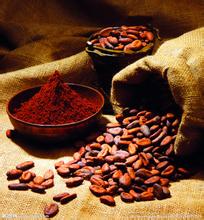
Ethiopian Coffee Culture the Development of Ethiopian Coffee
Ethiopian Coffee has a long History Ethiopian Coffee has a very important history and culture the highest grades of Ethiopian coffee Yega Xuefei G1 G2 Sidamo (Yirgacheffe, Sidamo) are grade 2 and 3 (G2, G3), while sun-processed coffee in eastern Ethiopia is mostly grade 4 or 5 (G4, G5). In many cases, level four coffee is marked as level five.
2016-05-27 Ethiopia coffee culture coffee development course
Introduction to the grade of coffee beans in Ethiopia
Grade of Ethiopian coffee: Ethiopian washed coffee Yega Chuefei G1 G2 Sidamo (Yirgacheffe, Sidamo) has the highest grades 2 and 3 (G2, G3), while sun-processed coffee in eastern Ethiopia is mostly grade 4 or 5 (G4, G5). In many cases, level 4 coffee is marked as level 5 in order to reduce taxes. At present, the classification is not uniform and there are
2016-06-04 Ethiopia coffee beans grades introduction
Introduction to the characteristics of High-quality Coffee produced by the Grinding degree treatment method of Ethiopian Coffee Manor
Grade of Ethiopian coffee: Ethiopian washed coffee Yega Chuefei G1 G2 Sidamo (Yirgacheffe, Sidamo) has the highest grades 2 and 3 (G2, G3), while sun-processed coffee in eastern Ethiopia is mostly grade 4 or 5 (G4, G5). In many cases, level 4 coffee is marked as level 5 in order to reduce taxes. At present, the classification is not uniform and there are
2016-10-13 Ethiopia Coffee Manor Grinding processing Variety producing area characteristics Fine goods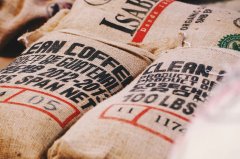
Harald Coffee grows one of the highest elevation areas of coffee
Harald (Harar) is 1600 meters above sea level, and the Harald Heights in eastern Ethiopia is one of the highest elevation areas for human coffee cultivation (some even claim to be as high as 2000 Murray 2,700 meters). Across the Gulf of Aden, overlooking the two ports of Moka and Aden in Yemen. For centuries, Harald coffee farmers carried coffee beans down the mountain with camels, donkeys or carriages, risking being besieged by hyenas.
2015-01-27 Harald Rahl Coffee planting Supreme Highland one
African coffee flavor beans Harald Coffee Flavor cultivated in eastern Ethiopia
Harald (Harar) is 1600 meters above sea level, and the Harald Heights in eastern Ethiopia is one of the highest elevation areas for human coffee cultivation (some even claim to be as high as 2000 Murray 2,700 meters). Across the Gulf of Aden, overlooking the two ports of Moka and Aden in Yemen. For centuries, Harald coffee farmers carried coffee beans down the mountain with camels, donkeys or carriages, risking being besieged by hyenas.
2016-04-29 Africa Coffee Flavor Harald Rahl Ethiopia East planting Hara
There are 7 cafes suitable for dating in Shanghai.
If you want to ask the preferred place for dating, the cafe is one of them. Let's take a look at the seven cafes suitable for dating in Shanghai.
2014-06-05 Coffee shop management Shanghai coffee shop
Coffee tasting knowledge eight principles for judging coffee by cup timing
The first principle: [clean], clean when light, and clean when strong. It's like a room, it's easy to be clean when it's empty, but it has to be clean when it's full. The second principle: [spindle flavor], that is, it represents the characteristics of this region. Cleanliness is the foundation, and an unclean cup of coffee represents a flaw, but clean coffee can easily become tasteless.
2015-01-29 Coffee tasting common sense timing judgment eight principle first cleanliness