“mesocarp” search results (296)

Coffee processing methods Fine Coffee basis
Within 8 hours after picking, the coffee fruit should be peeled, otherwise negative fermentation will occur, thus affecting the quality of coffee beans. There are three main methods of processing coffee: drying method, semi-dry treatment method and non-dry treatment method. The last method of treatment is adopted in Yunnan. The purpose of the treatment is to peel the coffee beans and reduce the water content of the coffee beans to an appropriate level.
2015-05-11 Coffee processing method boutique basic picking after 8 hours yes coffee
Species morphology of Colombian coffee
The main varieties of Colombian coffee are small grains of coffee. Plants are small trees or large shrubs, 5-8 m tall, usually much branched at base; old branches gray-white, nodes dilated, young branches glabrous, compressed. Leaves thinly leathery, ovate-lanceolate or lanceolate, 6-14 cm long and 3.5-5 cm wide, tip long acuminate, acuminate part 10-15 mm long, base cuneate or slightly obtuse, rarely rounded, entire or
2016-05-24 Columbia Coffee species Morphology Variety Major small Grain
Species morphology of Colombian coffee
The main varieties of Colombian coffee are small grains of coffee. Plants are small trees or large shrubs, 5-8 m tall, usually much branched at base; old branches gray-white, nodes dilated, young branches glabrous, compressed. Leaves thinly leathery, ovate-lanceolate or lanceolate, 6-14 cm long and 3.5-5 cm wide, tip long acuminate, acuminate part 10-15 mm long, base cuneate or slightly obtuse, rarely rounded, entire or
2016-05-25 Columbia Coffee species Morphology Variety Major small Grain
Species morphology of Colombian coffee
The varieties of Lambian coffee are mainly small-grain coffee. Plants are small trees or large shrubs, 5-8 m tall, usually much branched at base; old branches gray-white, nodes dilated, young branches glabrous, compressed. Leaves thinly leathery, ovate-lanceolate or lanceolate, 6-14 cm long and 3.5-5 cm wide, tip long acuminate, acuminate part 10-15 mm long, base cuneate or slightly obtuse, rarely rounded, entire or present
2016-06-01 Columbia Coffee species Morphology Biya varieties Major small grains plants
Fine coffee Colombian coffee species morphology
The main varieties of Colombian coffee are small grains of coffee. Plants are small trees or large shrubs, 5-8 m tall, usually much branched at base; old branches gray-white, nodes dilated, young branches glabrous, compressed. Leaves thinly leathery, ovate-lanceolate or lanceolate, 6-14 cm long and 3.5-5 cm wide, tip long acuminate, acuminate part 10-15 mm long, base cuneate or slightly obtuse, rarely rounded, entire or
2016-05-29 Boutique Coffee Columbia species Morphology varieties Major
Species morphology of Colombian coffee bean
The main varieties of Colombian coffee are small grains of coffee. Plants are small trees or large shrubs, 5-8 m tall, usually much branched at base; old branches gray-white, nodes dilated, young branches glabrous, compressed. Leaves thinly leathery, ovate-lanceolate or lanceolate, 6-14 cm long and 3.5-5 cm wide, tip long acuminate, acuminate part 10-15 mm long, base cuneate or slightly obtuse, rarely rounded, entire or
2016-06-03 Columbia Coffee beans species Morphology Coffee varieties Major small
Coffee fruit
The fruit is a berry, also known as comb fruit, oval, 9-14 mm long, young fruit green, red when ripe, purplish red.
2014-06-14 Coffee knowledge coffee fruit coffee encyclopedia
The method of coffee processing basic knowledge of fine coffee
Within 8 hours after picking, the coffee fruit should be peeled, otherwise negative fermentation will occur, thus affecting the quality of coffee beans. There are three main methods of processing coffee: drying method, semi-dry treatment method and non-dry treatment method. The last method of treatment is adopted in Yunnan. The purpose of the treatment is to peel the coffee beans and reduce the water content of the coffee beans to an appropriate level.
2015-03-24 Coffee processing methods boutique basics common sense picking after 8 hours to
Morphological characteristics and planting environment of small-grain coffee
Morphological characteristics edit small trees or large shrubs, 5-8 m tall, base usually much branched; old branches gray, small-grained coffee (6) nodes inflated, young branches glabrous, compressed. Leaves thinly leathery, ovate-lanceolate or lanceolate, 6-14 cm long and 3.5-5 cm wide, tip long acuminate, acuminate part 10-15 mm long, base cuneate or slightly obtuse, rarely rounded, entire or present
2016-06-13 Small grains coffee morphological characteristics planting environment editors trees or large
Arabica coffee bean planting species morphology Colombian coffee bean
The main varieties of Colombian coffee are small grains of coffee. Plants are small trees or large shrubs, 5-8 m tall, usually much branched at base; old branches gray-white, nodes dilated, young branches glabrous, compressed. Leaves thinly leathery, ovate-lanceolate or lanceolate, 6-14 cm long and 3.5-5 cm wide, tip long acuminate, acuminate part 10-15 mm long, base cuneate or slightly obtuse, rarely rounded, entire or
2016-04-22 Rabbi Coffee beans planting species Morphology Columbia Coffee products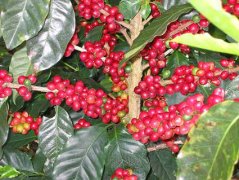
Colombian coffee bean species morphology Central and South American flavor
Species Morphology Colombian Coffee Plant Morphology Colombian coffee is mainly small grain coffee. Plants are small trees or large shrubs, 5-8 m tall, usually much branched at base; old branches gray-white, nodes dilated, young branches glabrous, compressed. Leaves thinly leathery, ovate-lanceolate or lanceolate, 6-14 cm long and 3.5-5 cm wide, tip long acuminate, acuminate 10-15 mm long, basal
2016-04-20 Columbia coffee beans species morphology Central and South America flavor brother
There are three main ways to process coffee beans.
There are three main methods for processing coffee: dry, semi-dry and non-dry. The purpose of processing is to peel the coffee beans, reduce the water content of the coffee beans to a level suitable for preservation, and then deal with the coffee beans according to the market demand. Recently, the harvest of coffee has been fully spread out in Yunnan. I think it's time to pick out some of the blog posts I've posted. this
2014-08-30 Coffee knowledge coffee bean processing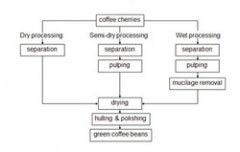
A brief introduction to the processing process of coffee beans
Recently, the harvest of coffee has been fully spread out in Yunnan. I think it's time to pick out some of the blog posts I've posted. I've been planning this for a long time. Almost a year ago, I posted a blog called "Harvest Rewards". It's about several ways to harvest coffee in this area. The coffee fruit should be peeled within 8 hours after picking, otherwise
2014-09-29 Coffee beans boutique coffee beans coffee encyclopedia
A brief introduction to the processing process of Coffee beans
There are three main methods for processing coffee: dry, semi-dry and non-dry. The purpose of processing is to peel the coffee beans, reduce the water content of the coffee beans to a level suitable for preservation, and then deal with the coffee beans according to the market demand. Recently, the harvest of coffee has been fully spread out in Yunnan. I think it's time to pick out some of the blog posts I've posted. this
2014-10-18 Coffee knowledge boutique coffee science coffee processing
Colombian coffee species morphology coffee varieties boutique coffee beans China Coffee Network
The main varieties of Colombian coffee are small grains of coffee. Plants are small trees or large shrubs, 5-8 m tall, usually much branched at base; old branches gray-white, nodes dilated, young branches glabrous, compressed. Leaves thinly leathery, ovate-lanceolate or lanceolate, 6-14 cm long and 3.5-5 cm wide, tip long acuminate, acuminate part 10-15 mm long, base cuneate or slightly obtuse, rarely rounded, entire or
2016-04-15 Columbia Coffee species Morphology Variety Fine goods Coffee beans China
Colombian coffee bean Colombian species morphology Central and South American coffee beans
Species morphology the main varieties of Colombian coffee are small grain coffee. Plants are small trees or large shrubs, 5-8 m tall, usually much branched at base; old branches gray-white, nodes dilated, young branches glabrous, compressed. Leaves thinly leathery, ovate-lanceolate or lanceolate, 6-14 cm long and 3.5-5 cm wide, tip long acuminate, acuminate part 10-15 mm long, base cuneate or slightly obtuse, rarely round
2016-04-28 Colombia coffee beans species morphology Central and South America
A brief introduction to the initial processing of coffee beans
Recently, the harvest of coffee has been fully spread out in Yunnan. I think it's time to pick out some of the blog posts I've posted. I've been planning this for a long time. Almost a year ago, I posted a blog called "Harvest Rewards". It's about several ways to harvest coffee in this area. The coffee fruit should be peeled within 8 hours after picking, otherwise
2015-03-20 Coffee beans initial processing brief description processing process recently coffee harvest already cloud
Coffee berry picking-berry treatment-drying
The coffee beans we are talking about are actually the seeds of a fruit similar to cherries.
2014-06-17 Coffee knowledge coffee berries coffee encyclopedia
Coffee bean picking-berry treatment-drying
The coffee beans we are talking about are actually the seeds of a fruit similar to cherries.
2014-06-14 Coffee knowledge coffee bean picking coffee encyclopedia
Introduction to the treatment process of raw coffee beans Coffee trees bear fruit several times a year
When the coffee berries are ripe, they are usually harvested by manual picking. In some places, only the fully ripe berries are picked, while others are all picked from a single branch. The former is called handpicked and the latter is called strip-picking. Because the ripening time of coffee berries is not consistent, the harvest is likely to be divided into several stages.
2016-07-11 Coffee raw beans treatment process introduction structure several times a year coffee berries