“mesocarp” search results (296)

Small coffee Coffea arabica Linn Arabica coffee
Small coffee Coffea arabica L. Coffea arabica Linn. Sp. Pl. one hundred and seventy two。 1753; A. Cheval. Op. Cit. 196; A. E. Haarer, op. Cit. 13; Flora of Hainan 3: 349. 1974; Atlas of higher plants in China 4: 285, figure 5929. 1975; Tree Map of Yunnan, Volume 2: 1151. 1991. Small trees or large shrubs, 5-8 m tall
2014-06-30 Small coffee beans Arabica coffee boutique coffee beans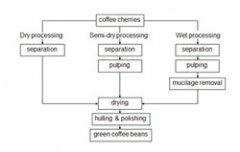
A brief introduction to the processing process of High-quality Coffee beans
There are three main methods for processing coffee: dry, semi-dry and non-dry. The purpose of processing is to peel the coffee beans, reduce the water content of the coffee beans to a level suitable for preservation, and then deal with the coffee beans according to the market demand. Recently, the harvest of coffee has been fully spread out in Yunnan. I think it's time to pick out some of the blog posts I've posted. This
2014-11-13 Coffee knowledge Kafudu common sense coffee bean processing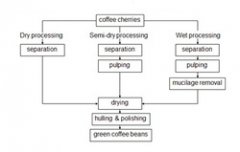
A brief introduction to the general knowledge of fine coffee the processing process of coffee beans
Recently, the harvest of coffee has been fully spread out in Yunnan. I think it's time to pick out some of the blog posts I've posted. I've been planning this for a long time. Almost a year ago, I posted a blog called "Harvest Rewards". It's about several ways to harvest coffee in this area. The coffee fruit should be peeled within 8 hours after picking, otherwise
2015-06-06 Boutique coffee common sense brief coffee beans processing process recently harvest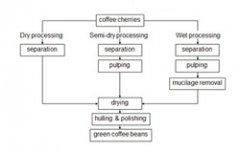
A brief introduction to the processing process of coffee beans the transformation process of a bean
Recently, the harvest of coffee has been fully spread out in Yunnan. I think it's time to pick out some of the blog posts I've posted. I've been planning this for a long time. Almost a year ago, I posted a blog called "Harvest Rewards". It's about several ways to harvest coffee in this area. The coffee fruit should be peeled within 8 hours after picking, otherwise
2015-09-14 Brief description coffee beans processing process one beans transformation recently coffee harvest
Yunnan coffee
Yunnan is a subtropical mountain climate zone south of the Tropic of Cancer, with unique plateau red soil, rich and loose soil and mild climate, which is especially suitable for growing small-grain coffee, which can grow the best coffee in the world.
2014-07-07 Coffee knowledge Yunnan Coffee Coffee Encyclopedia
Morphology of quality species in Colombian coffee producing area
In terms of yield or texture, Colombian coffee is first produced by Medellin, which is characterized by full granules, rich nutrition, moderate acidity, good balance, rich aroma and soft taste. In addition to Medellin, the provincial capitals of two neighboring provinces in the south, Armenia and Manizales, are also famous coffee producers.
2016-06-01 Colombia coffee origin quality species morphology yield or texture brother
Sweet Colombia Arabica Flavor Description Grind Variety Description
Colombia coffee varieties are mainly small coffee. Plants are small trees or large shrubs, 5-8 meters high, usually multi-branched at the base; old branches are gray, nodes expand, young branches glabrous, compressed. Leaves thinly leathery, ovate-lanceolate or lanceolate, 6-14 cm long, 3. 5 -5 cm wide, apex long acuminate, acuminate part 10-15 mm long, base cuneate or slightly obtuse, rarely rounded, entire or rounded
2016-10-09 Sweet Colombia Arabica Coffee Flavor Description Ground Variety Region Special
Steps of wet treatment of coffee after picking
As the harvest season is almost over, I would like to add an overview of the coffee processing process. In this blog post, I will introduce to you the steps of wet treatment in Yunnan after coffee picking. After harvest, the berries are either sent directly to the pulp collector (if the harvest is done well), or concentrated in a siphon tank filled with water. The berries are here.
2014-08-05 Coffee picking later processing step harvest season right away over here
Explain the steps of wet treatment after coffee picking
As the harvest season is almost over, I would like to add an overview of the coffee processing process. In this blog post, I will introduce to you the steps of wet treatment in Yunnan after coffee picking. After harvest, the berries are either sent directly to the pulp collector (if the harvest is done well), or concentrated in a siphon tank filled with water. The berries are here.
2014-12-16 Coffee picking later processing steps explanation harvest season right away over.
Species morphology of Colombian coffee-flavored coffee
The main varieties of Colombian coffee are small grains of coffee. Plants are small trees or large shrubs, 5-8 m tall, usually much branched at base; old branches gray-white, nodes dilated, young branches glabrous, compressed. Leaves thinly leathery, ovate-lanceolate or lanceolate, 6-14 cm long and 3.5-5 cm wide, tip long acuminate, acuminate part 10-15 mm long, base cuneate or slightly obtuse, rarely rounded, entire or
2016-06-05 Columbia Coffee Flavor species Morphology varieties Major
Wet Processing of Yunnan Coffee Bean
We all know that there are two main types of coffee bean processing: dry processing and wet processing. This blog post has a detailed introduction from coffee trees to coffee. Next, let's look at the wet processing of Yunnan coffee beans. After harvesting, the berries are either sent directly to the pulp collector (in the case of a good harvest) or concentrated in a siphon tank filled with water. Berries in this
2014-09-10 Yunnan coffee beans
Boutique coffee beans Colombian coffee the latest coffee introduction and information
Colombian coffee (Cafe de Colombia), which originated in Colombia, is one of the few individual coffees sold in the world under the name of the country. In terms of quality, it has won praise unmatched by other coffee. Compared with other producing countries, Colombia is more concerned with developing products and promoting production. It is this, coupled with its superior geographical and climatic conditions, that makes Goran
2015-12-22 Boutique coffee beans Colombia coffee latest introduction information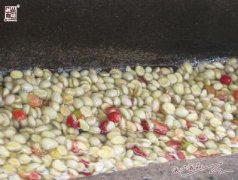
How to treat Yunnan coffee beans
As harvest season draws to a close, I would like to add an overview of the coffee processing process. In this blog post, I will introduce you to the wet processing steps after coffee picking in Yunnan. After harvest, the berries are either sent directly to a pulp collector (if the harvest is done well) or collected in a siphon tank filled with water. Berries are here.
2016-05-25 Yunnan coffee beans how processing wet planing harvest season immediately passed in
Treatment methods of coffee beans after picking wet treatment steps
As the harvest season is almost over, I would like to add an overview of the coffee processing process. In this blog post, I will introduce to you the steps of wet treatment in Yunnan after coffee picking. After harvest, the berries are either sent directly to the pulp collector (if the harvest is done well), or concentrated in a siphon tank filled with water. The berries are here.
2015-03-24 Coffee beans picking after treatment methods steps harvest season right away past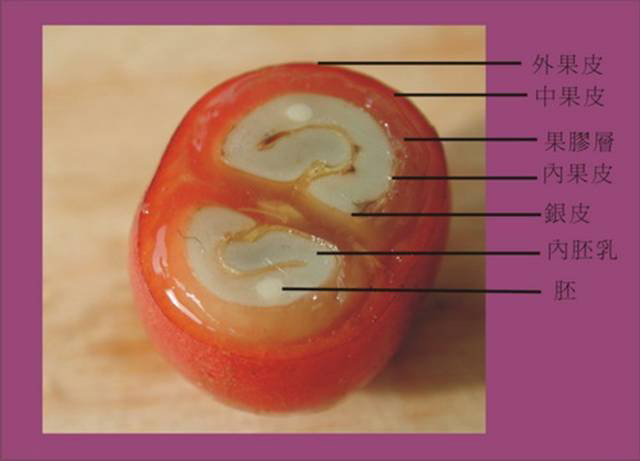
Coffee Botany-A detailed introduction of coffee fruits
Taste all the delicious coffee, think about the problems of universal value, and forget the original appearance that is precious and needs to be cherished. Coffee beans are not born this way, they are the result of a lot of hard work. 1. Academic name: Coffee L. 2. Family name: Rubiaceae. 3. Name: coffee shop (coffee) 4. Place of origin: coffee shop, tropical area (non-local)
2015-11-27 Coffee botany flowering and fruiting detail explanation taste all good coffee
Introduction of coffee beans from Colombian coffee producing countries that mainly grow small grains of coffee
Species Morphology Colombian Coffee Plant Morphology Colombian Coffee Plant Morphology (10) the varieties of Colombian coffee are mainly small grain coffee. Plants are small trees or large shrubs, 5-8 m tall, usually much branched at base; old branches gray-white, nodes dilated, young branches glabrous, compressed. Leaves thinly leathery, ovate-lanceolate or lanceolate, 6-14 cm long, 3.5-5 cm wide, tip long
2016-06-18 Main planting small grains Coffee Colombia country of production Coffee beans introduction species
Origin Culture and species Morphology of Colombian Coffee
The earliest records of coffee cultivation in Colombia appear in a book called The Illustrated Orinoca by Spanish missionary Jose Gumilla. He describes what he saw when he preached on both sides of the Meta River in 1730, in which he mentioned the local coffee plantation. By 1787, other missionaries had spread coffee to other parts of Colombia.
2016-06-08 Colombia Coffee Origin Culture species form about
Step Analysis of Wet treatment of Coffee after picking
As the harvest season is almost over, I would like to add an overview of the coffee processing process. In this blog post, I will introduce to you the steps of wet treatment in Yunnan after coffee picking. After harvest, the berries are either sent directly to the pulp collector (if the harvest is done well), or concentrated in a siphon tank filled with water. The berries are here.
2015-05-11 Coffee picking later processing steps analysis harvest season right away over.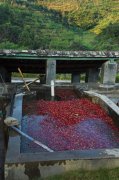
Wet treatment methods and steps of Yunnan coffee beans
As the harvest season is almost over, I would like to add an overview of the coffee processing process. In this blog post, I will introduce to you the steps of wet treatment in Yunnan after coffee picking. After harvest, the berries are either sent directly to the pulp collector (if the harvest is done well), or concentrated in a siphon tank filled with water. The berries are here.
2014-07-09 Yunnan coffee beans wet treatment of coffee beans Yunnan small coffee beans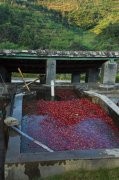
Wet treatment methods and steps of Yunnan coffee beans
As the harvest season is almost over, I would like to add an overview of the coffee processing process. In this blog post, I will introduce to you the steps of wet treatment in Yunnan after coffee picking. After harvest, the berries are either sent directly to the pulp collector (if the harvest is done well), or concentrated in a siphon tank filled with water. The berries are here.
2014-07-09 Yunnan coffee beans wet treatment of coffee beans Yunnan small coffee beans