“looseness” search results (1126)

Global coffee producing area-Philippines
Coffee was introduced into the Philippines (Philippines) in the early 19th century and by 1880 the country had become the fourth largest coffee exporter in the world. However, due to the spread of coffee rust, the country became a coffee importer soon after 1880. However, the coffee growing industry has gradually recovered. Coffee production in the Philippines: the Philippines is one of the few countries that can grow four varieties of coffee.
2014-07-09 Philippines coffee producing area boutique coffee beans
The origin of the name cappuccino
Viennese Fanz George Kolschitsky, the founder of Cafe Latte with Milk and Coffee, will talk about the origin of Cappuccino in this issue.
2014-06-14 Coffee culture cappuccino coffee story
What are the growing places of Philippine coffee flavor coffee?
Coffee was introduced into the Philippines (Philippines) in the early 19th century, and by 1880 the country had become the fourth largest coffee exporter in the world. However, due to the spread of coffee rust, the country became a coffee importer shortly after 1880. However, the coffee growing industry has gradually recovered. Today, after slow and steady development, the country's coffee industry continues to grow and develop quality.
2016-05-20 Philippines coffee flavor planting place which introduction
Arabica beans and Robusta beans
There are countless kinds of coffee in the world according to region, baking method and cooking method, but there are only two types of coffee beans that make these kinds of coffee: ROBUSTA beans and ARABICA beans. ARABICA coffee accounts for about 2% of the world's coffee production. Coffee beans are oval flat, small and light in color. It has high quality and rich fragrance. Most of Africa
2014-07-07 Coffee knowledge Arabica Robusta Coffee Encyclopedia
Matsuya method also comes from Japanese hand flushing method.
The Matsuya method also comes from Japan, which was invented to extract only the delicious ingredients from the coffee. Use a spoon to dig a big hole in the coffee powder, about 30cm from the noodle, pour water from the middle until the coffee liquid begins to drip, then draw a circle like a circle to wet the coffee powder and cover it with steaming. After 3 minutes, it begins to be uniform.
2016-06-07 Matsuya also comes from Japan Hechong method too.
The Philippines, once the fourth largest coffee exporter in the world.
There is a bright future. Coffee was introduced into the Philippines (Philippines) in the early 19 th century, and by 1880 the country had become the world's fourth largest coffee exporter. However, due to the spread of coffee rust, the country became a coffee importer soon after 1880. However, the coffee growing industry has gradually recovered. Today, after slow and steady development, the country's coffee industry is growing.
2014-11-19 Coffee knowledge coffee exporter Philippines
The production technology of espresso how to make espresso and espresso
The production technology of espresso has beans and suitable equipment, and finally there are human factors that we can control. Because the extraction conditions of espresso are very extreme, there are slight changes in the process of making espresso. Finally, the coffee cup will be several cups, dozens of times or even hundreds of times magnification, reflected in the feeling after the entrance is very strong and unbearable.
2016-03-28 Italian coffee production technology how concentrated
The coffee producing area of the Philippines.
Coffee was introduced into the Philippines (Philippines) in the early 19th century and by 1880 the country had become the fourth largest coffee exporter in the world. However, due to the spread of coffee rust, the country became a coffee importer soon after 1880. However, the coffee growing industry has gradually recovered. Coffee production in the Philippines: the Philippines is one of the few countries that can grow four varieties of coffee.
2015-02-16 Global Coffee Origin Philippines introduction Philipp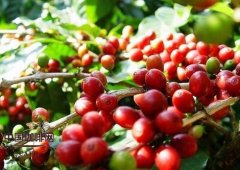
Matsuya method, a hand-flushing method derived from Japan
The Matsuya method also comes from Japan, which was invented to extract only the delicious ingredients from the coffee. Use a spoon to dig a big hole in the coffee powder, about 30cm from the noodle, pour water from the middle until the coffee liquid begins to drip, then draw a circle like a circle to wet the coffee powder and cover it with steaming. After 3 minutes, it begins to be uniform.
2016-06-01 From Japan Hechong method Matsuya also from Japan
Philippine Coffee the characteristics and market of Philippine coffee
Coffee was introduced into the Philippines (Philippines) in the early 19th century and by 1880 the country had become the fourth largest coffee exporter in the world. However, due to the spread of coffee rust, the country became a coffee importer soon after 1880. However, the coffee growing industry has gradually recovered. Coffee production in the Philippines: the Philippines is one of the few countries that can grow four varieties of coffee.
2015-03-27 Philippines Coffee specialties Market introduction Philipp
Philippine Coffee produces Arabian Coffee with High quality and High yield
Coffee was introduced into the Philippines (Philippines) in the early 19 th century, and by 1880 the country had become the world's fourth largest coffee exporter. However, due to the spread of coffee rust, the country became a coffee importer soon after 1880. However, the coffee growing industry has gradually recovered. Today, after slow and steady development, the country's coffee industry continues to grow and develop high-quality varieties.
2015-04-15 Philippines Coffee production quality High yield Arab introduction
Coffee knowledge-- Coffee cultivation
Coffee can not be grown in any environment, because it is originally a plant growing in a tropical rain forest. In systematic development, coffee forms the habit of calm wind, cool, shaded or semi-shaded and humid environment. Therefore, coffee has strict requirements on planting conditions. We call the strips on both sides of the equator, between latitudes 25 degrees south and north, suitable for coffee growth as coffee belts. 1. Temperature. Yes
2014-08-05 Coffee knowledge coffee cultivation coffee belt
Coffee common sense Singapore handmade coffee "pull" sincerity
Work in the Tianhe business district, you are nervous; working in the Tianhe business district, you are happy, on both sides of the road, there are no less than ten coffee shops, large and small, different customs. If divided according to the rhythm, the cafes in this area are nothing more than fast and slow, fast as smart and Dingdong flowing, and slow as a slow stream. Among them flavor, your own taste of fast-paced coffee time, loose one loose. In the morning
2015-05-06 Coffee common sense Singapore craftsmanship sincerity
Espresso Coffee Common sense Cappuccino Coffee
Cappuccino coffee cappuccino (Italian: Cappuccino) means Italian foam coffee. In the early 20th century, the Italians developed cappuccino coffee. On the espresso, pour in the milk foamed with steam. The color of the coffee is like a Franciscan monk covering a dark brown coat with a headscarf, cappuccino
2015-02-13 Italian Coffee Fancy Common sense Cabo Chino Italy
Conditions for growing coffee trees
Coffee cannot be grown in any environment, because it is originally a tropical rainforest plant, and in the development of the system, it develops habits that require calm wind, warm, shade or semi-shade and humid environments. We call the strip of area on both sides of the equator, between 25 degrees north and south latitude, suitable for the growth of coffee trees coffee belt.
2014-06-14 Coffee knowledge growing coffee coffee tree growing conditions
The sincerity of "pulling" handmade coffee in Singapore
Work in the Tianhe business district, you are nervous; working in the Tianhe business district, you are happy, on both sides of the road, there are no less than ten coffee shops, large and small, different customs. If divided according to the rhythm, the cafes in this area are nothing more than fast and slow, fast as smart and Dingdong flowing, and slow as a slow stream. Among them flavor, your own taste of fast-paced coffee time, loose one loose. In the morning
2015-02-03 Singapore handicraft coffee sincerity work in Tianhe business circle you are nervous happy
Global Coffee producing area-Philippine Coffee Market
Coffee was introduced into the Philippines (Philippines) in the early 19th century and by 1880 the country had become the fourth largest coffee exporter in the world. However, due to the spread of coffee rust, the country became a coffee importer soon after 1880. However, the coffee growing industry has gradually recovered. Coffee production in the Philippines: the Philippines is one of the few countries that can grow four varieties of coffee.
2015-08-24 Global Coffee Origin Philippines Market introduction Phil
Coffee Life Guangzhou Tianhe Business Circle Coffee Taste Speed Rhythm
Work in Tianhe business circle, you are nervous; work in Tianhe business circle, you are happy, both sides of the road, large and small coffee shops no less than ten, different customs. If divided according to the rhythm, the cafes in this area are no more than two kinds of speed, fast like a flowing water, slow like a slowly flowing stream. Among them flavor, Jun from the taste of fast-paced coffee time, loose a loose. morning
2015-06-11 coffee life guangzhou tianhe business district taste speed rhythm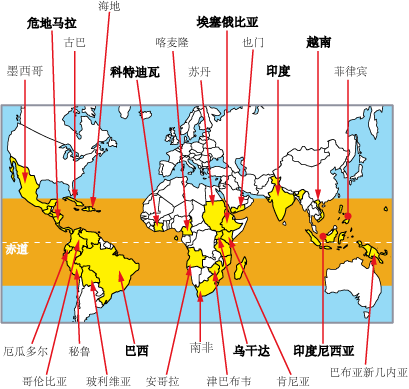
The characteristics of Arabica beans the coffee producer Philippines coffee beans Philippines
Philippine coffee was introduced into the Philippines (Philippines) in the early 19th century, and by 1880 the country had become the fourth largest coffee exporter in the world. However, due to the spread of coffee rust, the country became a coffee importer shortly after 1880. However, the coffee growing industry has gradually recovered. Today, after slow and steady development, the country's coffee industry continues to grow.
2016-03-24 Rabbi Kadou specialty coffee country of origin Philippines coffee beans
Boutique coffee bean producing countries introduce Philippine coffee
Coffee was introduced into the Philippines (Philippines) in the early 19th century and by 1880 the country had become the fourth largest coffee exporter in the world. However, due to the spread of coffee rust, the country became a coffee importer soon after 1880. However, the coffee growing industry has gradually recovered. Coffee production in the Philippines: the Philippines is one of the few countries that can grow four varieties of coffee.
2015-05-14 Boutique coffee beans country of origin introduction Philippines coffee