“island gold” search results (400)

Introduction of Indonesian Mantenin Coffee Bean with fragrant Woody flavour
In the 17th century, the Dutch first introduced Arabica saplings to Ceylon (present-day Sri Lanka) and Indonesia. In 1877, a large-scale disaster hit the Indonesian islands, coffee rust destroyed almost all the coffee trees, people had to give up Arabica, which had been in operation for many years, and introduced the disease-resistant Robusta coffee tree from Africa. And Sue
2016-07-05 Wood aroma taste Neiman Tenin coffee beans introduction Rusu Nava Hana
This is how gourmet coffee is made.
Most people know that Blue Mountain Coffee is the best coffee, with low output, high price, excellent sour balance and long taste. But it turns out that behind this delicacy, there is a kind of Kopi Luwak, commonly known as Kopi Luwak, which is an extremely rare coffee. It produces only 500 pounds a year. A cup of 4 oz coffee can be sold. Most people know that Blue Mountain Coffee is the best coffee.
2014-06-10 Gourmet coffee Blue Mountain Coffee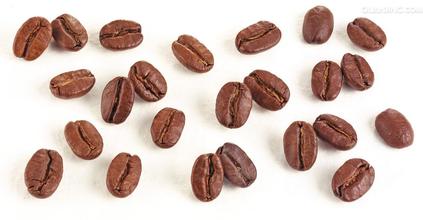
Introduction to the characteristics of the flavor and taste of the moderately mellow coffee manor in Arusha, Tanzania
The eastern coastal areas and inland lowlands of Tanzania have a savanna climate, while the western inland plateau has a tropical mountain climate, with an average temperature of 21-25 ℃ in most areas. More than 20 islands in Zanzibar have a tropical maritime climate, hot and humid all the year round, with an annual average temperature of 26 ℃. [6] rainfall types can be divided into bimodal distribution and unimodal distribution. Areas with double bee distribution of rainfall include
2016-09-03 Medium thick Tanzania Arusha coffee manor flavor taste producing area
Description of Flavor of Coffee Manor in Arusha, Tanzania
The eastern coastal areas and inland lowlands of Tanzania have a savanna climate, while the western inland plateau has a tropical mountain climate, with an average temperature of 21-25 ℃ in most areas. More than 20 islands in Zanzibar have a tropical maritime climate, hot and humid all the year round, with an annual average temperature of 26 ℃. Tanzania is rich in mineral resources. As of 2014, major minerals identified include gold, diamond, iron,
2016-10-10 Tanzania Arusha coffee manor flavor description grinding taste characteristics
China Coffee Network Historical Coffee Variety grown in Colombia Kadu Ekadura washing treatment
The history of coffee cultivation in Colombia can be traced back to the Spanish colonial era in the 16th century, and there are many theories about the history of coffee in Colombia: one: it is said to come from the island of Haiti in the Caribbean and from El Salvador in Central America. Second: in 1808, a priest introduced coffee beans to Colombia for the first time from the French Antilles via Venezuela. One of them
2016-03-29 China Coffee Colombia cultivation History varieties Kadu Ika Dula Water
Introduction to the characteristics of coffee flavor and taste varieties in Fuyin Manor, Indonesia
Gold Mantenin, the Japanese adopted more stringent quality control more than a decade ago. After picking beans manually for four times, they eliminated defective beans and produced gold mantenin with dark green color and equal appearance of beans, creating another wave of market demand. Even Europe and the United States are crazy about it. The aged Agedmandheling is as sweet as honey. The successful old bean has worn away Manning's inelegant sour taste. Sour
2016-09-07 Full-bodied fragrant Indonesia Fuyin manor coffee flavor taste variety producing area
World Coffee History Ethiopian Shepherds find Red Coffee fruits
In the sixth century, Ethiopian shepherds discovered red coffee fruits. In the eleventh century, Arab merchants spread coffee to Europe. In the 16th century, Franz Geora Kolschitzky, a Viennese, established the first coffee shop in Europe. He also started the trend of drinking coffee with milk. In 1554, coffee in Istanbul became black gold, and it was very popular with Ethiopian shepherds in the sixth century.
2015-09-16 World Coffee History Yesso Biya Shepherd Discovery Red Fruit VI
Introduction to the mild and delicious coffee flavor and taste varieties of Nicaraguan Heavenly Manor
Lake Nicaragua is the largest lake in Central America, located in southwestern Nicaragua. The local Indians call it Lake Corsi Walka, which means freshwater sea. Lake Nicaragua is 160km long, with an average width of 60km and an area of 8264 square kilometers. Tens of thousands of years ago, Lake Nicaragua was an bay of the Pacific Ocean, cut off from the sea by volcanic eruptions. With the passing of the sun and moon, the water of the lake gradually
2016-09-07 Mild delicious Nicaragua Divine Manor Coffee Flavor Taste Variety production
Introduction to the Flavor and Taste Manor of Lindong Coffee Bean in Sumatra, Indonesia
The capital Jakarta, located on the northwest coast of Java, covers an area of 740.28km and has a population of 10.187 million. It is a national political, economic and cultural center and a sea, land and air transportation hub, as well as a shipping center between southern Asia and Oceania. More than 500 years ago, Jakarta became a famous seaport for exporting pepper and spices. At that time, it was called Sunda Graba, which means coconut. Renamed Chajakarta in 1527
2016-09-09 Indonesia Sumatra Lin Dong boutique coffee beans flavor taste manor producing area
Origin of Coffee beans from Coffee Bean Farm in Bali, Indonesia
The story of Bali coffee is perhaps one of the most fascinating and romantic stories in coffee history. In 1862, in the resplendent Palace of Versailles, the Sun King Louis XIV sat dangerously, the priceless, legendary 67-carat blue diamond of hope on the crown, dazzling, and the aristocratic ministers present at the court were dressed in gold and silver. They are waiting to come from the distant and magical east
2016-05-27 Indonesia Bali coffee beans manors origins about the island coffee stories maybe
Colombia Santa Rita Coffee Green Beans Andes Micro-production washed high quality imported green beans
The history of coffee cultivation in Colombia can be traced back to the Spanish colonial era in the 16th century. There are also many sayings about the history of coffee in Colombia: First, it is said to have been transmitted from the Caribbean island of Haiti via El Salvador in Central America. Second, coffee beans were first introduced into Colombia in 1808 by a priest from the French Antilles via Venezuela. one of
2016-04-13 Colombia Santa Rita Coffee Green Beans Andes Mountains Producing Area Washing Processing
Full-bodied Indonesian civet coffee flavor taste manor characteristic boutique coffee introduction
In the 15th century, Portugal, Spain and Britain invaded successively. The Dutch invaded in 1596, the East India Company with government authority was established in 1602, and the colonial government was established at the end of 1799. Japan occupied Indonesia in 1942. After Japan surrendered in 1945, Indonesia broke out the August Revolution. On August 17, 1945, it declared its independence and established the Republic of Indonesia. After Indonesia became independent, it successively used military force.
2016-08-25 Rich fragrant Indonesian musk coffee flavor taste manor producing area characteristics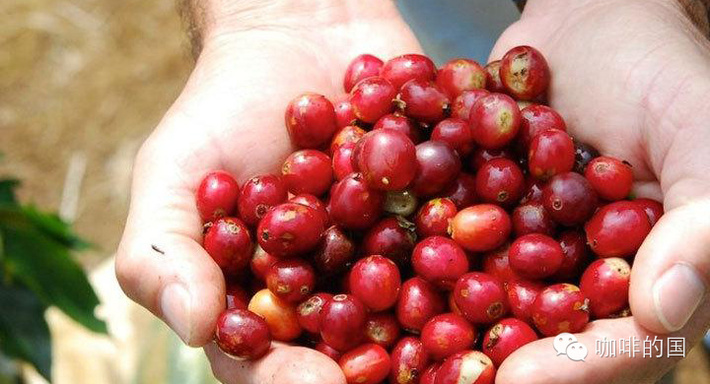
How to choose coffee beans choose fresh coffee beans Columbia Santa Rita washing coffee beans
The history of coffee cultivation in Colombia can be traced back to the Spanish colonial era in the 16th century, and there are many theories about the history of coffee in Colombia: one: it is said to come from the island of Haiti in the Caribbean and from El Salvador in Central America. Second: in 1808, a priest introduced coffee beans to Colombia for the first time from the French Antilles via Venezuela. One of them
2016-03-30 How to choose coffee beans fresh Columbia Santa Rita washing treatment
Taste and flavor of Mantenin coffee beans describe the grade of Indonesian Huangman coffee beans
Manning: the palate is rich and solid, with a pleasant sour taste. The smell is mellow, the acidity is moderate, the sweetness is rich and very intriguing, it is suitable for deep baking and exudes a strong aroma. The gentleman in coffee, Sumatra Manning, is a fine coffee that grows in the plateau and mountain area at an altitude of 750 to 1500 meters.
2022-05-17 Mante coffee taste coffee beans flavor description rich solid
Introduction to the characteristics of the Fine Coffee Flavor of Kilimanjaro in Tanzania
The eastern coastal areas and inland lowlands of Tanzania have a savanna climate, while the western inland plateau has a tropical mountain climate, with an average temperature of 21-25 ℃ in most areas. More than 20 islands in Zanzibar have a tropical maritime climate, hot and humid all the year round, with an annual average temperature of 26 ℃. [6] rainfall types can be divided into bimodal distribution and unimodal distribution. Areas with double bee distribution of rainfall include
2016-08-16 Aroma thick Tanzania Kili Mazar Luo boutique boutique coffee flavor
World Coffee Estate
Indonesia is a country of thousands of islands. Coffee is produced on the main islands. The most famous ones are Sumatra, Sulawisi and Java. (Bali Sumatra Coffee Sumatra
2015-12-18 world coffee estate region presentation
Introduction to Santa Cruz Manor in Ecuador Coffee Manor
Eastern region: part of the Amazon River basin. The foothills of the foothills with an altitude of 1200 to 250 meters above sea level are rapid. below 250 meters are alluvial plains. The river is open, the current is gentle, and there are many rivers. Located in the Pacific Ocean, the Cologne Islands (Galapagos Islands) is more than 900km east from the continental coast and covers an area of 7800 square kilometers, including 7 large islands and about 70 small islands, all by volcanic cones.
2016-08-11 Ecuador Coffee Manor producing area Flavor palate characteristics introduction Crewe East
Introduction to the flavor and taste of high-quality coffee beans in Nicaraguan coffee producing areas
A city in southwestern Nicaragua and the capital of Karaso province. Located in the Diliamba Highlands, 760 meters above sea level. The population is 18000 (1980). Founded in 1883. Distribution and processing center of agricultural and animal husbandry products. There are limestone, salt mines and other mining industries nearby. Railway and road access to Managua since July 1927, Augusto. Cesar. Sandino leads the people in waging a guerrilla war against the US occupation.
2016-09-23 Nicaragua coffee variety producing area characteristics boutique coffee beans flavor taste
World Coffee History in the sixth Century Ethiopian shepherds discover red coffee fruits
In the sixth century, Ethiopian shepherds discovered red coffee fruits. In the eleventh century, Arab merchants spread coffee to Europe. In the 16th century, Franz Geora Kolschitzky, a Viennese, established the first coffee shop in Europe. He also started the trend of drinking coffee with milk. In 1554, coffee in Istanbul became black gold, and it was very popular with Ethiopian shepherds in the sixth century.
2015-01-26 World Coffee History sixth Century Yesso Bia Shepherd Discovery Red Fruit
Introduction of high-quality coffee with characteristic flavor and taste in Pazhou sitting area of Tanzanian coffee
The eastern coastal areas and inland lowlands of Tanzania have a savanna climate, while the western inland plateau has a tropical mountain climate, with an average temperature of 21-25 ℃ in most areas. More than 20 islands in Zanzibar have a tropical maritime climate, hot and humid all the year round, with an annual average temperature of 26 ℃. Tanzania is rich in mineral resources. As of 2014, major minerals identified include gold, diamond, iron,
2016-09-21 Tanzania coffee Pazhou producing area characteristics flavor taste boutique introduction