“insolate” search results (354)

Description of flavor of Ethiopian coffee insolated and washed; introduction to the characteristics of grindness and taste
In December 1994, the Constitution of the Federal Democratic Republic of Ethiopia was formulated. According to the Constitution, Ethiopia will implement a federal system and a parliamentary cabinet system after the general election for a term of five years. After the national election in May 1995, the Federal Democratic Republic of Ethiopia was established on August 22, and Meles became prime minister in her capacity as chairman of the majority party of the people's House of Representatives. On May 14, 2000, Ethiopia held a national meeting
2016-09-30 Sun washing Ethiopia coffee flavor description grinding taste characteristics
Raw bean treatment of coffee washed with water, semi-washed, insolated and honey
The first is dry treatment (secado), also known as natural all-day exposure (natural). After the coffee fruit is actually picked, it is dried directly in the sun. According to the weather conditions, it is generally necessary to dry the coffee beans for 2 weeks to reduce the water content of the coffee beans to 10%, 12%, and then use a machine to remove the dried peel and pulp. The raw bean processing plant (beneficio) usually retains the sheepskin on the outside of the coffee beans when the raw beans are stored.
2015-11-04 Coffee washing tanning processing raw beans a kind of treatment secado also known as
What's the difference between sunburn and washed coffee? honey treatment, red wine treatment.
The water content of washed coffee is 12% 13%, while that of dry coffee is 11% 12%. General coffee beans show different colors due to their different water content, with higher water content being green or cyan, and less brown or near white. Therefore, the washed coffee beans show a darker green. How to tell whether coffee beans are insolated or washed? Whether the silver skin is in good condition and washed
2016-10-17 Sun water washing coffee what distinction treatment red wine water content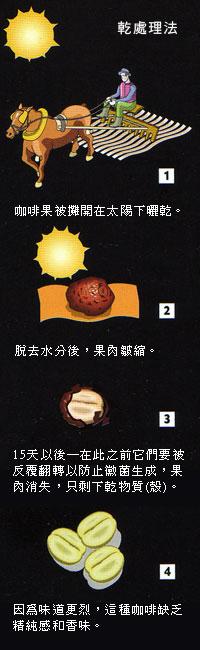
The difference between sun-drying and washing coffee beans in the process of sun-drying coffee treatment
The solarization process can also be called a natural process, which is basically the oldest, simplest, and requires the least mechanical tools. When the coffee fruit is harvested from the mountain, the next step is to remove the peel and pulp of the coffee beans. There are two main ways of treatment: washing and solarization. But the ultimate determining factor is whether there is enough water to use. Some are special.
2016-01-20 Insolation coffee treatment process coffee beans and water washing differences methods solarization
Characteristics of natural fermented, mellow and insolated Ethiopian coffee varieties taste manor boutique coffee bean flavor
Ethiopia has unique natural conditions suitable for growing all imaginable varieties of coffee. As a upland crop, Ethiopian coffee beans are mainly grown in areas between 1100 and 2300 meters above sea level, roughly distributed in southern Ethiopia. Deep soil, well drained soil, weakly acidic soil, laterite and soil are soft and contain
2016-09-01 Natural fermented mellow solarization Ethiopia coffee varieties characteristics taste
Sidamo Sun Lion King Ethiopian boutique coffee beans
Coffee bean details: 1. Country: Ethiopia 2. Grade: G13. Production area: Guji 4. Planting altitude: 1800-2000m 5. Soil type: volcanic laterite 6. Annual rainfall: 1100-1200 cm 7. Treatment: insolation 8. Variety: native species (Heirloom) 9. Disposal site: Sirsa Cooperative 10. Raw bean specification: 17-18 items 11. Flavor: Jasmine, honey,
2016-05-10 Dharma Sun Lion King Ethiopia boutique coffee beans details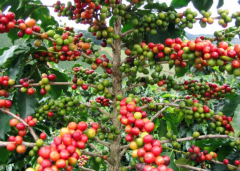
Ethiopian Sidamo Lion King Sun-treated Fine Coffee
Coffee bean details: 1. Country: Ethiopia 2. Grade: G13. Production area: Guji 4. Planting altitude: 1800-2000m 5. Soil type: volcanic laterite 6. Annual rainfall: 1100-1200 cm 7. Treatment: insolation 8. Variety: native species (Heirloom) 9. Disposal site: Sirsa Cooperative 10. Raw bean specification: 17-18 items 11. Flavor: Jasmine, honey,
2016-05-20 Ethiopia Dharma Lion King Solar processing Fine goods Coffee Coffee beans details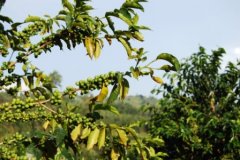
Ethiopian boutique coffee Sidamo Lion King guji producing area
1. Country: Ethiopia 2. Grade: G13. Production area: Guji 4. Planting altitude: 1800-2000m 5. Soil type: volcanic laterite 6. Annual rainfall: 1100-1200 cm 7. Treatment: insolation 8. Variety: native species (Heirloom) 9. Disposal site: Sirsa Cooperative 10. Raw bean specification: 17-18 items 11. Flavor: Jasmine, honey, citrus, ripe berries
2016-05-21 Ethiopia boutique coffee Dharma Lion King guji producing area country

Coffee basics Common sense Black tea collides with coffee
Coffee with a kind of not ostentatious not insolent posture, strong feelings swept the world; black tea is a harmonious proposition, carrying the tolerance of words also rest infiltration of the daily life of the Chinese people. You can choose between these two, because they can fulfill your own entertainment. They have something in common, but they also have their own distinct personalities, so that they often become people's comparisons.
2015-07-02 coffee basics common sense collision one kind swagger insolence posture passion
How coffee beans are formed? what are the coffee producing areas of coffee bean industry?
The step from the production of coffee beans to the formation of coffee drinks requires many kinds of engineering. Coffee beans still need to be fermented after they are picked from coffee trees, and then washed or insolated or treated in other ways, from the production area to a cup of coffee in the hands of consumers. it has to go through a long and complex industrial chain. A pound of green coffee beans are sold for 6.4 yuan in the producing country and are ground to powder when shipped to the United States.
2016-05-29 Coffee beans how formation industry coffee producing areas which coffee beans production shape
Treatment of Coffee fruits-- washing
When the coffee fruit is harvested from the mountain, the next step is to remove the peel and pulp of the coffee beans. There are two main ways of treatment: washing and solarization. But the ultimate determining factor is whether there is enough water to use. Some special boutique coffees are both insolated and washed.
2014-08-22 Coffee knowledge coffee fruit treatment coffee bean treatment washing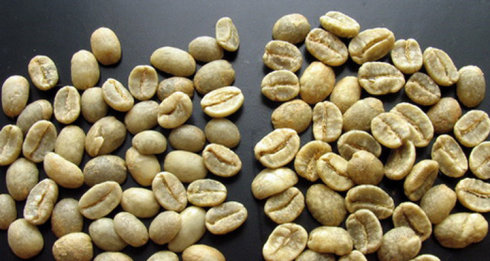
The difference between the two methods of tanning honey how to tell the difference between sunburn and sunburn is a traditional coffee.
Tanning is a traditional method for the initial processing of coffee beans, and at present, almost all coffee-growing countries such as Ethiopia and Yemen still use solarization to treat raw beans. Sun treatment will first identify sunken beans in the sink, that is, ripe or half-ripe beans are spread in the drying farm for natural drying. The specific time depends on the local climatic conditions, which usually takes two to four weeks.
2016-04-25 Insolation treatment two methods cause difference how distinction tradition solarization
Panamanian Emerald Manor Bean what kind of coffee is there in Bali?
Civet coffee comes from Indonesia, Vietnam, the Philippines and China. How exactly is civet coffee made? The coffee fruit passes through the civet's digestive system, only the pulp of the fruit appearance is digested, and the coffee beans are excreted intact. In general, coffee is washed or insolated to remove the peel, pulp and sheepskin of the coffee.
2016-05-22 Panama emerald manor Bali what coffee musk all from
Treatment of Coffee Fruit and Coffee beans
When the coffee fruit is harvested from the mountain, the next step is to remove the peel and pulp of the coffee beans. There are two main ways of treatment: washing and solarization. But the ultimate determining factor is whether there is enough water to use. Some special boutique coffees are both insolated and washed. Washing requires the use of special machinery and equipment and adequate water sources.
2015-04-16 Coffee fruit coffee beans treatment washing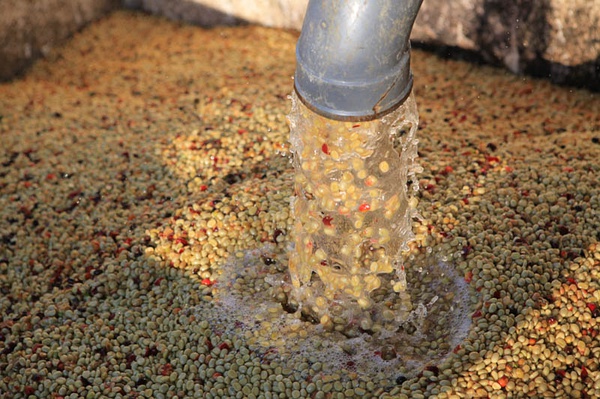
The treatment method of raw coffee bean; the detailed introduction of washing method.
When the coffee fruit is harvested from the mountain, the next step is to remove the peel and pulp of the coffee beans. There are two main ways of treatment: washing and solarization. But the ultimate determining factor is whether there is enough water to use. Some special boutique coffees are both insolated and washed. Washing requires the use of special machinery and equipment and adequate water sources.
2015-12-01 Coffee raw beans treatment method washing method details introduction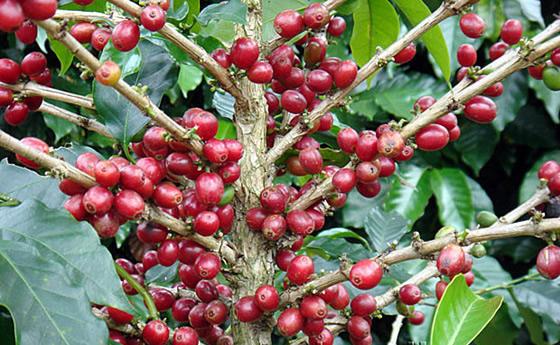
Boutique coffee beans: Ethiopian Sidamo Lion King sun-dried coffee beans
Coffee bean details: 1. Country: Ethiopia 2. Grade: G13. Production area: Guji 4. Planting altitude: 1800-2000m 5. Soil type: volcanic laterite 6. Annual rainfall: 1100-1200 cm 7. Treatment: insolation 8. Variety: native species (Heirloom) 9. Disposal site: Sirsa Cooperative 10. Raw bean specification: 17-18 items 11. Flavor: Jasmine, honey, orange
2015-12-05 Boutique coffee beans Ethiopia Dharma Lion King Sun details
Introduction to the origin and taste of sixteen boutique coffees
1.RwandaKivu Rwanda-No introduction: Rwandan coffee beans were introduced to Rwanda by German missionaries in the 20th century. Because of Rwanda's superior climate and unique geographical environment, growing coffee beans has a unique fruity and grassy aroma. There are many planting bases in Rwanda, but the coffee beans produced without machines are even better, not only because of their own.
2014-07-02 Coffee knowledge coffee origin boutique coffee coffee taste
Introduction to the origin and taste of 16 kinds of high-quality coffee
1.RwandaKivu Rwanda-No introduction: Rwandan coffee beans were introduced to Rwanda by German missionaries in the 20th century. Because of Rwanda's superior climate and unique geographical environment, growing coffee beans has a unique fruity and grassy aroma. There are many planting bases in Rwanda, but the coffee beans produced without machines are even better, not only because of their own.
2015-01-09 Coffee basics common sense sixteen boutique origin taste introduction 1.Rwan
2015 New Bean unbaked Coffee Raw Bean Sidamo Lion King of Ethiopia Sun-treated Raw Bean
Coffee bean details: 1. Country: Ethiopia 2. Grade: G13. Production area: Guji 4. Planting altitude: 1800-2000m 5. Soil type: volcanic laterite 6. Annual rainfall: 1100-1200 cm 7. Treatment: insolation 8. Variety: native species (Heirloom) 9. Disposal site: Sirsa Cooperative 10. Raw bean specification: 17-18 items 11. Flavor: Jasmine, honey,
2016-03-10 2015 New Douwei Roast Coffee Raw Bean Ethiopia Dharma Lion King