“inflorescence” search results (214)

What conditions do coffee trees need for planting? what are the requirements for the natural environment?
The origin of the coffee tree is Ethiopia in Africa. In botany, coffee trees belong to the evergreen trees of the subgenus Rubiaceae, and coffee beans, commonly known as coffee beans, are the seeds of the fruit of coffee trees, just because they are shaped like beans, so they are called coffee beans. Climate is the decisive factor for coffee cultivation. Coffee trees are only suitable for growing in the tropics or subtropics, so latitude 25 is south and north.
2016-05-29 Coffee planting needs what conditions natural environment all have requirements coffee original
What conditions do coffee trees need for planting? do they have high requirements on local climate?
The origin of the coffee tree is Ethiopia in Africa. In botany, coffee trees belong to the evergreen trees of the subgenus Rubiaceae, and coffee beans, commonly known as coffee beans, are the seeds of the fruit of coffee trees, just because they are shaped like beans, so they are called coffee beans. Climate is the decisive factor for coffee cultivation. Coffee trees are only suitable for growing in the tropics or subtropics, so latitude 25 is south and north.
2016-05-31 Coffee planting need what conditions place climate requirements whether high not high
Where does the coffee we drink usually come from?
The coffee we drink comes from the roasting and grinding of coffee beans, and all this is provided by magical coffee bars. The origin of this economic crop is in Yisuobi in Africa. It has been cultivated for more than 2000 years. At present, the main coffee producing areas in the world are Latin America, Africa and Africa. According to statistics, coffee is cultivated in 76 countries in the world, mainly in Africa and the United States. Coffee in our country
2015-10-27 Coffee beans travel us coffee general from where
The planting Environment of Coffee trees what kind of environment does coffee trees need to have?
The planting of coffee trees has great requirements on the environment. There are only two areas in China where coffee trees can be planted. The origin of coffee trees is Ethiopia in Africa. In botany, coffee tree belongs to the evergreen tree of the subgenus Rubiaceae, and coffee beans, commonly known as coffee beans, are the seeds of the fruit of coffee trees, just because they are shaped like beans, so they are called coffee.
2016-05-29 Coffee planting environment need have what kind coffee have very
Description of Flavor of High-quality Coffee beans in Colombian Coffee Variety producing area
The main varieties of Colombian coffee are small grains of coffee. Plants are small trees or large shrubs, 5-8 m tall, usually much branched at base; old branches gray-white, nodes dilated, young branches glabrous, compressed. Leaves thinly leathery, ovate-lanceolate or lanceolate, 6-14 cm long and 3.5-5 cm wide, tip long acuminate, acuminate part 10-15 mm long, base cuneate or slightly obtuse, rarely rounded, entire or
2016-09-24 Quality very good Columbia coffee variety producing area boutique coffee beans flavor
Introduction of Coffee Bean Origin and Variety Coffee Bean species and comparison
The history of coffee cultivation in Colombia can be traced back to the Spanish colonial era in the 16th century, and there are many theories about the history of coffee in Colombia: one: it is said to come from the island of Haiti in the Caribbean and from El Salvador in Central America. Second: in 1808, a priest introduced coffee beans to Colombia for the first time from the French Antilles via Venezuela. One of them
2016-05-25 Coffee beans origin variety introduction type comparison Colombia cultivation coffee
Production conditions of Coffee trees Shijiazhuang Cafe
Fertilization was carried out in combination with plastic surgery within 1-2 days after planting. The fertilization of young coffee trees is mainly nitrogen fertilizer, while appropriate application of phosphorus and potassium fertilizer, in order to accelerate the formation of crown and promote the development of roots. Human and animal manure and green leaf retting fertilizer also have a good effect on the growth of young coffee trees. Coffee seedlings can be fertilized for the first time two months after planting, and then once every 1-2 months. Such as human and animal dung
2016-06-08 Coffee production conditions Shijiazhuang characteristics cafes planting combination plastic surgery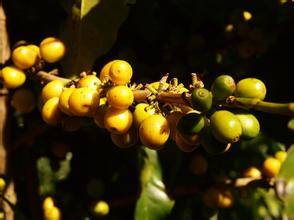
Where do coffee beans usually come from?
[guide] the coffee we drink comes from the roasting and grinding of coffee beans, and all this is provided by magical coffee bars. The origin of this economic crop is in Yisuobi in Africa. It has been cultivated for more than 2000 years. At present, the main coffee producing areas in the world are Latin America, Africa and Africa. According to statistics, coffee is cultivated in 76 countries in the world, mainly from coffee.
2015-11-25 Coffee beans travel generally all how guide we coffee from coffee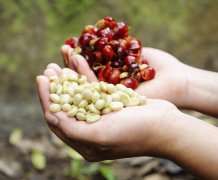
Boutique coffee-travel with coffee beans
The coffee we drink comes from the roasting and grinding of coffee beans, and all this is provided by magical coffee bars. The origin of this economic crop is in Yisuobi in Africa. It has been cultivated for more than 2000 years. At present, the main coffee producing areas in the world are Latin America, Africa and Africa. According to statistics, coffee is cultivated in 76 countries in the world, mainly in Africa and the United States. Coffee in our country
2016-06-19 Boutique coffee follow coffee beans travel us roast
Introduction to the description Price of the Flavor of Colombian Coffee
Leaving the splendid and noisy Bogota, the car began to drive to the mountains, full of simple and non-monotonous scenery, with Colombians packed into the car from time to time to greet the passengers. There is no estrangement or guard between strangers and strangers. In Rain Water's abundant coffee area (Zona Caftera), we also welcomed the first rain in Colombia.
2016-10-11 Columbia coffee grinding characteristics taste variety producing area flavor description price
Characteristics of Flavor and Taste in Colombian Coffee producing area introduction of Fine Coffee beans in Manor
The main varieties of Colombian coffee are small grains of coffee. Plants are small trees or large shrubs, 5-8 m tall, usually much branched at base; old branches gray-white, nodes dilated, young branches glabrous, compressed. Leaves thinly leathery, ovate-lanceolate or lanceolate, 6-14 cm long and 3.5-5 cm wide, tip long acuminate, acuminate part 10-15 mm long, base cuneate or slightly obtuse, rarely rounded, entire or
2016-08-31 Columbia coffee producing area flavor taste characteristics variety manor boutique
Introduction to the Development History of cultivation and planting techniques for Coffee seedlings
Coffee planting technology introduces the origin of coffee trees in Ethiopia in Africa. In botany, coffee trees belong to the evergreen trees of the subgenus Rubiaceae, and coffee beans, commonly known as coffee beans, are the seeds of the fruit of coffee trees, just because they are shaped like beans, so they are called coffee beans. Climate is the decisive factor for coffee cultivation, and coffee trees are only suitable for growing in the tropics or subtropics.
2016-10-19 Coffee saplings how cultivation planting technology development history introduction coffee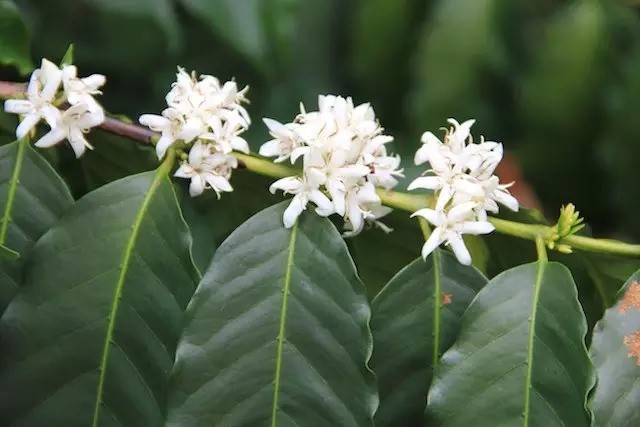
Coffee trees, raw coffee beans and ripe beans tell you what coffee is.
Now coffee has come into our lives, and all kinds of coffee shops are all over the streets. While we enjoy delicious coffee, do you know the origin of coffee? The planting conditions of coffee trees the origin of coffee trees is in Ethiopia, Africa. In botany, the coffee tree belongs to the evergreen tree of the coffee subgenus of Rubiaceae, and the so-called coffee bean is coffee.
2015-11-23 Coffee raw beans cooked beans tell after all what is now coffee has walked into
The morphological characteristics of coffee trees the geographical distribution of coffee trees
Coffee fruit Coffee Tree is a shrub or small tree of Rubiaceae; the leaves are opposite, leathery and long ovate; every March, the branches appear white flowers, petals spirally arranged, and the heart jumps around the petals. Take a closer look, it is really like a small windmill playing in childhood, emitting the fragrance of jasmine flowers; the fruit is oval, berry, crimson, hidden two
2016-05-29 Coffee morphological characteristics geographical distribution
The taste is rich and perfect. Kenya Berman Estate Coffee Flavor Description Grind Treatment Method Mouth
Kenya has a total population of 41.8 million (2013) and a population growth rate of 2.7%. There are 42 ethnic groups in the country, mainly Kikuyu (17 per cent), Luhia (14 per cent), Kalenjin (13 per cent), Luo (10 per cent) and Kamba (10 per cent). In addition, there are a small number of Indians, Arabs and Europeans. Kenya's mineral deposits mainly include soda ash, salt, fluorite, limestone,
2016-10-06 Taste Rich Beautiful Kenny Abel Manor Coffee Flavor Description Grind
The planting method of Coffee Tree the planting environment of coffee tree introduces what kind of environment is most suitable for growing coffee
Coffee fruit contains two seeds, namely coffee beans. The two beans are connected face to face with each other on one side of the plane. Each coffee bean has a thin outer film, which is called silver skin, and its outer layer is covered with a yellow outer skin, called endocarp. The whole coffee bean is wrapped in a sticky pulp to form coffee pulp, which is soft and sweet.
2016-07-11 Coffee planting way environment introduction what kind suitable coffee fruit contains
Introduction to the characteristics and Flavor of Coffee varieties in Hope Manor of Colombia
The main varieties of Colombian coffee are small grains of coffee. Plants are small trees or large shrubs, 5-8 m tall, usually much branched at base; old branches gray-white, nodes dilated, young branches glabrous, compressed. Leaves thinly leathery, ovate-lanceolate or lanceolate, 6-14 cm long and 3.5-5 cm wide, tip long acuminate, acuminate part 10-15 mm long, base cuneate or slightly obtuse, rarely rounded, entire or
2016-09-19 Colombia Hope Manor Coffee Taste Variety producing area characteristics Flavor introduction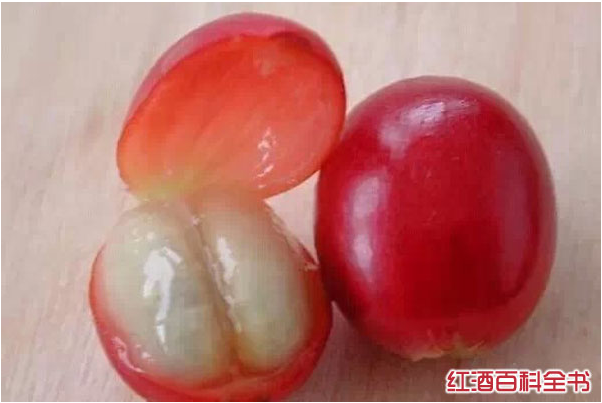
How is a good cup of coffee born?
Do you still remember the self-cultivation of an actor by Zhou Xingchi, the king of comedy? This incident tells us that if salted fish want to turn around, self-cultivation is very important and key. Back to the point, how did a good cup of coffee come into being? We have to go back to the source and watch the self-cultivation of small coffee beans together with the editor. How does a small coffee seed go through several years of spring and autumn
2015-04-11 A cup of coffee how raw remember the king of comedy Stephen Chow the self of an actor
The flavor of Kenyan coffee is still strong. Introduction to the taste of fine coffee with grinding degree.
Kenya has a total population of 41.8 million (2013), with a population growth rate of 2.7 per cent. There are 42 ethnic groups in the country, including Kikuyu (17%), Lucia (14%), Kalenjin (13%), Luo (10%) and Kangba (10%). In addition, there are a small number of Indo-Pakistani, Arab and European Kenyan mineral deposits, mainly soda ash, salt, fluorite, limestone,
2016-09-28 Taste still thick Kenya coffee flavor description grinding boutique introduction
Sweet aftertaste of Panamanian Ireta Manor Coffee Flavor taste the characteristics of fine coffee in the manor area
The Panamanian flag was launched on November 3, 1904. The flag is rectangular and the ratio of length to width is 3:2. The flag consists of four rectangles of white, red and blue. White symbolizes peace; red and blue represent the former Panamanian Liberal Party and the Conservative Party respectively, and they are also symbols of the two parties' United struggle for the interests of the nation. The blue star on the white background on the upper left represents loyalty and integrity, and the red star on the white background on the lower right represents
2016-08-16 Sweetness aftertaste Bana May Leeta Manor Coffee Flavor Taste producing area