“growing coffee trees” search results (6000)

The planting patterns of coffee trees in different areas
Coffee grown in different regions has different flavors-the unique soil, climatic conditions and planting methods of a country make the coffee produced in that country have a unique flavor.
2014-09-02 Coffee knowledge coffee trees planting methods
Where is coffee distributed all over the world?
Coffee is a kind of drink, which gives the public the impression that it is black, bitter, sleepless and excited. The coffee beans we see in the coffee shop are tea-brown, which belongs to roasted coffee beans, while the color of the coffee liquid is amber.
2014-09-02 Coffee knowledge coffee bean distribution coffee growth characteristics
Colombia coffee growing environment
Growing Environment Colombia's favorable climate provides a true natural pasture for coffee. Coffee trees in Colombia are mainly cultivated in the Andes mountains, on steep slopes up to 1,300 meters above sea level, where the annual temperature is about 18 degrees Celsius, the annual rainfall is 2000 to 3000 mm, the latitude is 1 - 11 15, the longitude is 72 - 78, and the specific altitude range can exceed 2.
2016-06-14 Colombia Coffee Cultivation Environment Introduction Fit
Climate change Coffee Noodle Dilemma in Costa Rica
Coffee trees planted in Costa Rica, a kilometer from a mountain village town, have provided the world with the best Arabica coffee beans for more than a century. But because of the warming climate, farmers now have to plant higher places, about 7000 feet high. We noticed the climate change about six years ago. Ricardo? Brother Madrid (Ricardo Ca)
2016-09-22 Climate change Costa Rica coffee cultivation dilemma
Suriname the first country in South America to grow coffee
An important name in the history of coffee. Suriname (Surinam) was the first country in South America to grow coffee, and Norway was once a major importer of coffee products. However, the country's output is very small today, and it is mentioned here only for historical reasons. The Dutch, who settled in Suriname in 1667, introduced coffee trees from Java in the early 18th century. The first coffee trees were made up of
2015-10-12 Suriname South America the first growing coffee country last important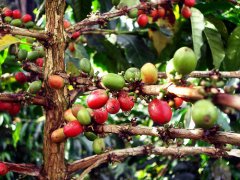
Basic knowledge of coffee what are the types of coffee trees?
Coffee is a perennial evergreen shrub or small tree of Rubiaceae. It is a horticultural perennial cash crop with the characteristics of fast growth, high yield, high value and wide market. Wild coffee trees can grow to a height of 5 to 10 meters, but coffee trees planted on the manor are often cut to a height of less than 2 meters in order to increase the amount of fruit and facilitate harvesting. The opposite leaves of coffee trees are long oval.
2016-05-18 Basic coffee knowledge class which
Basic knowledge of Coffee beans cultivation conditions of Coffee trees
There is a noun called Coffee Belt. There are more than 60 coffee producing countries in the world, most of which are located in the tropics and subtropics between the Tropic of Cancer (latitude 2326). This coffee growing area is called a coffee belt or coffee area (Coffee Zone). The annual average temperature of the coffee belt is above 20 ℃, because the coffee tree is a tropical plant, and if the temperature is below 20 ℃,
2015-04-13 Coffee beans basic knowledge coffee cultivation conditions there is a noun called coffee.
Explain the knowledge of coffee trees, picking and roasting of coffee beans
Coffee Tree Coffee Tree is an evergreen tree that can grow as high as a three-story building. However, generally planted coffee trees are trimmed to a height of less than two meters in order to facilitate harvesting. Coffee trees have white flowers, and the orchard has a faint jasmine fragrance when it blossoms. Like other fruit trees, coffee flowers turn dark green when they wither.
2015-11-05 Explanation coffee coffee beans picking roasting knowledge one evergreen green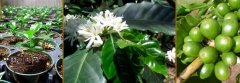
The planting of Coffee trees
Coffee is now widely grown in the ribbon between the Tropic of Cancer. Coffee grown in different regions has different tastes. The unique soil, climatic conditions and planting methods of a country make the coffee produced in that country have a unique flavor. French winemakers call this phenomenon regional style. Geographically, there are three global coffee growing areas.
2015-01-30 Coffee basics common sense planting now Tropic of Cancer occasional banded regional wide
Dirkley-- the Father of Coffee trees in Central and South America
In the middle of the 18th century, cafes were opened in major cities in Europe, and the huge demand for coffee led to the popularity of growing coffee in Central America. At present, most of the Tibica coffee trees in Central America are related to the coffee mother tree transplanted by Deckley. In 1777, 19 million coffee trees were planted on Martinique Island alone. Haiti, Puerto Rico and Cuba in the Caribbean followed suit to grow coffee.
2015-04-02 Klee Central and South America Coffee Father of Coffee 18th Century Mid-Mid Cafe all over Europe
Learn the basic concepts of coffee
1. What is coffee (scientific name: Coffea arabica), also known as coffee tree, Arabica coffee, etc., is the national flower of Yemen. Before the 6th century AD, Yemen was called Arabian, so the coffee trees shipped from them to other places were also called Arabian coffee trees. The name coffee comes from the Arabic Qahwah, which means plant drink. Later, coffee spread.
2014-08-05 Coffee knowledge coffee basic knowledge coffee concept
The origin and planting conditions of coffee trees basic knowledge of coffee
The origin of the coffee tree is Ethiopia in Africa. In botany, coffee trees belong to the evergreen trees of the subgenus Rubiaceae, and coffee beans, commonly known as coffee beans, are the seeds of the fruit of coffee trees, just because they are shaped like beans, so they are called coffee beans. Climate is the decisive factor for coffee cultivation. Coffee trees are only suitable for growing in the tropics or subtropics, so latitude 25 is south and north.
2015-08-14 Coffee country of origin planting conditions basics common sense coffee origin Africa Egypt
Coffee knowledge the growth habits of Coffee
Coffee is a kind of drink that gives the public the impression that it is black, bitter, sleepless and excited. The coffee beans we see in the coffee shop are tea-brown, which belongs to roasted coffee beans, while the color of the coffee liquid is amber. Coffee comes from coffee beans, which are harvested and processed from the fruit of trees.] Distribution of coffee: coffee
2015-08-19 Coffee knowledge growth habits coffee a kind of drink the public like black
Introduction to the planting method of Coffee Tree what kind of natural environment is needed to grow coffee tree
Coffee tree is a shrub or small tree of Rubiaceae; leaves opposite, leathery, long ovate; every March, the branches will appear white flowers, petals spirally arranged, the heart of flowers jump around the petals, take a closer look, really like a small windmill playing in childhood, emitting bursts of jasmine fragrance; the fruit is oval, berries, crimson, containing two seeds, that is, we are familiar with coffee
2016-07-28 Coffee planting methods introduction need what natural environment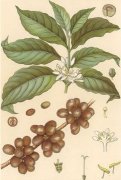
Coffee knowledge Coffee tree coffee beans growth habits
Coffee is a drink that gives the public the impression of being black, bitter, sleepless, and excited. The coffee beans we see in coffee shops are dark brown and belong to roasted coffee beans, while the color of coffee liquid is amber. Coffee comes from coffee beans, which in turn are harvested and processed from the fruits of trees. Distribution of coffee: coffee trees
2015-02-16 coffee knowledge coffee bean growth habits one kind drink popular elephant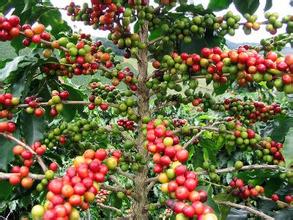
A brief understanding of the varieties of coffee trees, a detailed analysis of the classification of coffee trees.
Different varieties of coffee beans have different tastes, but even the same varieties of coffee trees have their own unique flavor due to the influence of different soil and climate. 1. Arabica Coffee Tree (coffeaarabica) originated from Arabica Coffee Tree in Ethiopia, which accounts for 70% of the world's coffee bean production. The world-famous Lanshan Gaffin and Mo
2016-01-11 Shallow understanding coffee variety detail analysis classification introduction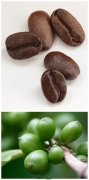
The sowing method of Coffee basic knowledge of planting Coffee trees
The coffee wrapped in endocarp will be planted to the seedbed and will germinate in 40-60 days and grow to about 50 cm in about 6 months after germination. At this stage, the seedlings are still fragile and must be covered with cold gauze and other things to block direct sunlight. The seedlings blossomed about three years after they were transplanted from the seedbed to the garden. In this period, Central America and other countries that use hand-picking to harvest coffee beans, for
2015-03-28 Coffee sowing method planting basics common sense wrapped inner fruit skin coffee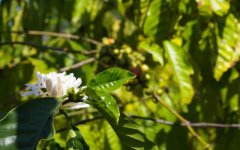
The difference between Hainan coffee beans and Yunnan coffee beans Hainan coffee and Yunnan small coffee beans taste
What are the respective characteristics of coffee beans from these two places? Yunnan small-grain coffee belongs to the Katim species (a variety of Arabica), which is an improved variety of Tibika among the Arabica species, with 25% of the genes of the Robosta species. In the mountainous area with an elevation of 800m to 1800m, the temperature is about 21.5℃ and the annual precipitation is 700~1000mm. It takes 8 to 10 months for the fruit to mature.
2015-10-21 Hainan Yunnan two producing areas coffee beans all have what their own characteristics
What conditions do coffee trees need for planting? what are the requirements for the natural environment?
The origin of the coffee tree is Ethiopia in Africa. In botany, coffee trees belong to the evergreen trees of the subgenus Rubiaceae, and coffee beans, commonly known as coffee beans, are the seeds of the fruit of coffee trees, just because they are shaped like beans, so they are called coffee beans. Climate is the decisive factor for coffee cultivation. Coffee trees are only suitable for growing in the tropics or subtropics, so latitude 25 is south and north.
2016-05-29 Coffee planting needs what conditions natural environment all have requirements coffee original
The global distribution of coffee the growth habits of coffee
Coffee is a kind of drink that gives the public the impression that it is black, bitter, sleepless and excited. The coffee beans we see in the coffee shop are tea-brown, which belongs to roasted coffee beans, while the color of the coffee liquid is amber. Coffee comes from coffee beans, which are harvested and processed from the fruit of trees.] Distribution of coffee: coffee
2015-10-07 Coffee global distribution growth habits coffee one beverage public like