The planting of Coffee trees
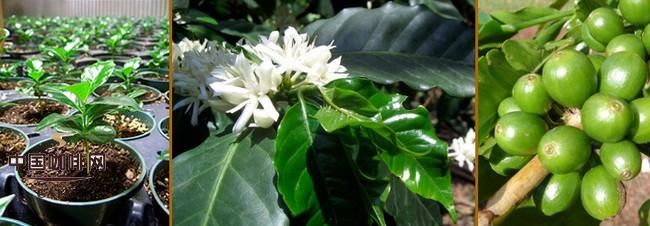
Coffee is now widely grown in the belt between the Tropic of Cancer.
Coffee grown in different regions has different flavors-the soil, climatic conditions and cultivation methods unique to a country make coffee unique. French master winemakers call this phenomenon "regional style."
Geographically, there are three coffee growing regions worldwide-East Africa and the Arabian Peninsula, Southeast Asia and the Pacific Rim, and Latin America
Like other fruits, coffee cherries grow on trees. Soil, climate, altitude, and other plant species around coffee trees can all affect coffee flavor.
Some species of coffee trees can grow to 30 to 40 feet tall. However, to facilitate the picking of coffee beans, people often try to make coffee trees not so tall. On average, a coffee tree produces only 0.5 kg of coffee powder per year. And for most coffee lovers, it only takes a week to finish this coffee!
There are two types of coffee that are economically important: Arabica beans and Robusta beans. Arabica coffee grows best at high altitudes, has a much more refined flavor than other coffees, and contains only 1% caffeine by weight. Robusta coffee, on the other hand, has a mellow taste, strong resistance to pests and diseases, and high yield per plant. This coffee is grown at low altitudes and tastes bitter. Cubita uses only the best quality arabica beans.
During harvest season, the coffee trees are covered with bright red coffee cherries. Unroasted coffee beans are just the seeds of coffee cherries. Coffee fruit skin is very thick, slightly bitter taste. The pit below the peel is sweet and similar in texture to grapes. The inner layer of the kernel, a membrane that protects the seed. This film resembles the protective coating of apple seeds. Remove the membrane and you'll see green beans-usually two. After washing the coffee beans, they are ready for roasting.
Share
Follow Coffee Search for the latest coffee updates. Reproduced from "Coffee Search"
Article URL: https://www.coffeesearch.net/coffee23521.html
Related Articles
- Beginners will see the "Coffee pull flower" guide!
- What is the difference between ice blog purified milk and ordinary milk coffee?
- Why is the Philippines the largest producer of crops in Liberia?
- For coffee extraction, should the fine powder be retained?
- How does extracted espresso fill pressed powder? How much strength does it take to press the powder?
- How to make jasmine cold extract coffee? Is the jasmine + latte good?
- Will this little toy really make the coffee taste better? How does Lily Drip affect coffee extraction?
- Will the action of slapping the filter cup also affect coffee extraction?
- What's the difference between powder-to-water ratio and powder-to-liquid ratio?
- What is the Ethiopian local species? What does it have to do with Heirloom native species?