“from South America” search results (2000)
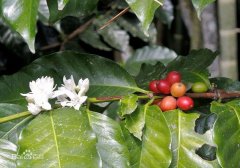
Suriname (Surinam) is the first country in South America to grow coffee.
Suriname (Surinam) was the first country in South America to grow coffee, and Norway was once a major importer of coffee products. However, the country's output is very small today, and it is mentioned here only for historical reasons. The Dutch, who settled in Suriname in 1667, introduced coffee trees from Java in the early 18th century. The first batch of coffee trees were given by the mayor of Asmstedan.
2016-05-18 Suriname Surinam South America the first cultivation coffee country boutique
Coffee bean producing area-South America Peruvian Coffee introduction Peruvian Coffee producing area Peruvian Coffee characteristics Peru
Peru is one of the major coffee producers in South America, and coffee is Peru's largest export of agricultural products, which has grown significantly in recent years. It can be seen from the map that the Andes mountains run parallel to the coast in Peru. More than 90% of Peruvian coffee is grown in the north, in valleys east of the capital Lima, and in forest areas on the slopes of the Andes. Peruvian coffee beans are round
2016-03-23 Coffee beans producing areas South America Peru Coffee introduction Origin characteristics South
The Galapagos Islands, a coffee producer in South America
In South America, which is famous as the host country, more than 900 kilometers off the west coast of Ecuador, near the equator with 90 degrees west longitude, there are a group of islands hanging in the vast Pacific Ocean, that is, the Galapagos Islands, also known as Cologne Island. It can be said that the Galapagos Islands of Ecuador is one of the loneliest and most beautiful islands in the world, which is called a unique living biological evolution treasure.
2014-12-25 South America coffee producing country Lapa Goss archipelago host country Wen
Dirkley's "Father of Coffee trees in Central and South America"
In the middle of the 18th century, cafes were opened in major cities in Europe, and the huge demand for coffee led to the popularity of growing coffee in Central America. At present, most of the Tibica coffee trees in Central America are related to the coffee mother tree transplanted by Deckley. In 1777, 19 million coffee trees were planted on Martinique Island alone. Haiti, Puerto Rico and Cuba in the Caribbean followed suit to grow coffee.
2015-02-12 Klee Central and South America Coffee Father of Coffee 18th Century Mid-Mid Cafe all over Europe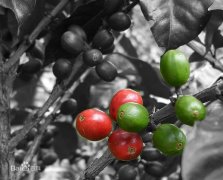
Suriname (Surinam) was the first country in South America to grow coffee, and Norway used to be the country's coffee.
Suriname (Surinam) was the first country in South America to grow coffee, and Norway was once a major importer of coffee products. However, the country's output is very small today, and it is mentioned here only for historical reasons. The Dutch, who settled in Suriname in 1667, introduced coffee trees from Java in the early 18th century. The first batch of coffee trees were given by the mayor of Asmstedan.
2016-05-08 Suriname Surinam South America first cultivation coffee country Norway
Coffee exports in Central and South America stabilize
Coffee exports from Central America, Mexico, Colombia, Peru and the Dominican Republic rose 4.5 percent in October from a year earlier, Guatemala's National Coffee Association (Anacafe) said today. October is the first month of this coffee harvest year. According to statistics, the total coffee export volume of the above countries in October was 1,947,884 bags (60 kg per bag), compared with the whole season of the previous harvest year.
2014-04-27 Central and South America Countries Coffee Exports Stabilization Guatemala Malaysia Associations
Dirkley-- the Father of Coffee trees in Central and South America
In the middle of the 18th century, cafes were opened in major cities in Europe, and the huge demand for coffee led to the popularity of growing coffee in Central America. At present, most of the Tibica coffee trees in Central America are related to the coffee mother tree transplanted by Deckley. In 1777, 19 million coffee trees were planted on Martinique Island alone. Haiti, Puerto Rico and Cuba in the Caribbean followed suit to grow coffee.
2015-04-02 Klee Central and South America Coffee Father of Coffee 18th Century Mid-Mid Cafe all over Europe
Located in the northwest of South America, Columbia Coffee Culture Coffee Manor introduces the characteristics of Lazmus Village.
Colombia is located in northwestern South America, bordered by the Pacific and Atlantic oceans. Panama in the northwest, Venezuela in the east, Brazil in the southeast, Peru in the south and Guadore in the southwest. Colombian Coffee Culture in 1808, a priest first introduced coffee to Colombia from the French Antilles via Venezuela. Today the country is the second largest after Brazil
2016-07-19 Located in South America Northwest Colombia Coffee Culture Coffee Manor producing area Special
Introduction to coffee bean producing areas-- South America Peruvian boutique coffee Peruvian coffee characteristics Peruvian coffee mouth
Well-known representative coffee: Peru (Peru) Peru is one of the major coffee producing countries in South America, and coffee is Peru's largest export agricultural product, which has grown greatly in recent years. It can be seen from the map that the Andes mountains run parallel to the coast in Peru. More than 90% of Peruvian coffee is grown in the north, in the valleys east of the capital Lima, and in the slopes of the Andes.
2016-03-28 Coffee beans producing areas introduction South America Peru boutique coffee characteristics well-known generation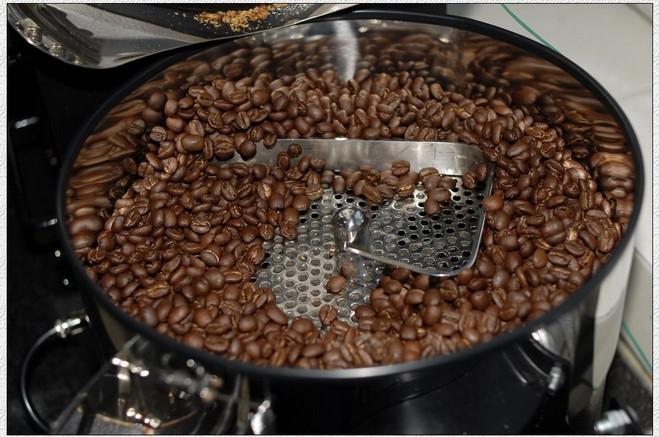
Suriname was the first country in South America to grow coffee. Norway was once the country's main importer of coffee products
Suriname was the first country in South America to grow coffee, and Norway was once a major importer of coffee products from Suriname. Today, however, the country produces very little and is mentioned here only for historical reasons. The Dutch, who settled Suriname in 1667, introduced coffee trees from Java in the early 18th century. The first coffee trees were donated by the mayor of Ashtangi.
2016-04-07 South America first cultivation coffee country Suriname Norway was production
Coffee bean producing areas-South America-Peru (Peru)
Well-known representative coffee: Peru (Peru) Peru is one of the major coffee producing countries in South America, and coffee is Peru's largest export agricultural product, which has grown greatly in recent years. It can be seen from the map that the Andes mountains run parallel to the coast in Peru. More than 90% of Peruvian coffee is grown in the north, in the valleys east of the capital Lima, and in the slopes of the Andes.
2014-09-13 Coffee bean producing areas South America Peru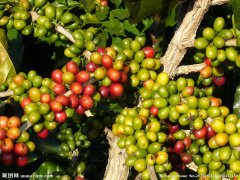
South African coffee beans are fragrant and have less acidity, like coffee bean cafes in Central America.
Boutique coffee has a strict grading system. Generally, raw beans are preserved in parchment coffee beans in the form of endocarp after processing, and the endocarp is removed before export. Go through a strict grading process to ensure the uniformity of quality. And it is very important to preserve the protection in the process of transportation, such as the control of temperature and humidity, the control of ventilation, avoiding odor adsorption and so on.
2016-06-17 South Africa coffee beans taste aroma acidity smaller Central America coffee shop
Galapagos Islands, a coffee producer in South America
In South America, which is famous as the host country, more than 900 kilometers off the west coast of Ecuador, near the equator with 90 degrees west longitude, there are a group of islands hanging in the vast Pacific Ocean, that is, the Galapagos Islands, also known as Cologne Island. It can be said that the Galapagos Islands of Ecuador is one of the loneliest and most beautiful islands in the world, which is called a unique living biological evolution treasure.
2014-11-19 Coffee knowledge South America coffee producing countries Galapagos Islands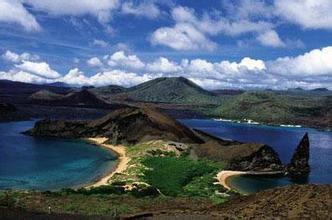
World Coffee Manor South America: Galapagos Islands Galapagos Islands coffee beans
In South America, which is famous as the host country, more than 900 kilometers off the west coast of Ecuador, near the equator with 90 degrees west longitude, there are a group of islands hanging in the vast Pacific Ocean, that is, the Galapagos Islands, also known as Cologne Island. It can be said that the Galapagos Islands of Ecuador is one of the loneliest and most beautiful islands in the world, which is called a unique living biological evolution treasure.
2015-12-26 World Coffee Manor South America Galapagos Islands
Suriname (Surinam) the first country in South America to grow coffee imported from Norway
High-quality coffee beans are refined by water treatment. The coffee beans with less impurities can be obtained by the water washing method, but if the water quality and time are not properly controlled during the fermentation process, the coffee beans will easily be infected with the sour taste of excessive fermentation. and dry beans also need to pay attention to timely re-inspection to prevent coffee beans from being contaminated by wet ground and sundries. Processed
2016-06-17 Suriname Surinam South America the first cultivation coffee country boutique
Introduction to the price characteristics of Ecuadorian coffee beans from Starbucks in South America
Italian espresso Espresso espresso was born in 1946. It was not until around 1986 that espresso was introduced to the world by Starbucks. The most important feature of Espresso coffee is the cohesion of aroma and taste. Bravo's Italian espresso is blended by Bravo's chief blender of coffee beans from a variety of high-quality coffee farms. Bravo Italian Special
2016-10-17 South America Buck Ecuador coffee beans price characteristics producing areas introduction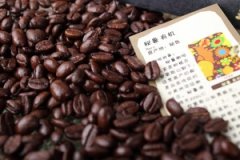
Peruvian organic coffee beans, a major coffee producer in western South America
Peruvian coffee, famous for its organic coffee. Peru (Spanish: Per; Quechua, Aymara: Piruw), the full name of the Republic of Peru (Spanish: Repblica del Per), is a country in western South America. Coffee origin: Peru (Peru) is also a major coffee producer. Up to 98% of Peruvian coffee is grown in forest areas, and most producers are
2014-07-22 Peruvian organic coffee beans fine single organic coffee beans organic coffee beans
Introduction to the Flavor and Price characteristics of Santa Rita Coffee Bean in Colombia
Introduction to Colombian Coffee Manor in 1815, Bolivar envisioned in the letter from Jamaica that when South America was liberated from Spanish colonial rule, New Granada and Venezuela should form a country, named Colombia. In August 1819, Bolivar's Patriotic Army defeated the Spanish colonial army at the Battle of Boyaca and liberated Bogota. So
2016-10-21 Columbia Santa Rita coffee beans flavor price characteristics grinding processing quality
Columbia Coffee Flavor Manor in Northwest South America introduces Lazmus Manor
The National Coffee Management Association of Colombia, like the National Management Association of Kenya, is a model of coffee organization. Compared with other producing countries, Colombia is more concerned with developing products and promoting production. It is this, coupled with its superior geographical and climatic conditions, that makes Colombian coffee excellent in quality and delicious and famous all over the world. The status of coffee in Colombia comes from the following examples
2016-07-27 Located in South America Northwest Colombia Coffee Flavor Manor introduction Raz
The delicious coffee producing countries of North and South America and Guatemala introduce the processing methods of fine coffee.
Guatemala is located in the center of North and South America, and its geographical location occupies an important position in Central America. Guatemala covers an area of about 108899 square kilometers. The land features can be divided into plateau volcanoes, lowland tropical forests, volcanic sandy shore plains along the Pacific coast, and virgin lands along the Caribbean Sea. The SierraMadre Mountains of Central America span east and west of Guatemala, covering an area of
2016-07-05 Delicious delicious North America Guatemala Coffee country of production introduction boutique processing