“forest coffee” search results (6700)

Ethiopian coffee species Origin of Ethiopian coffee
Saifeng coffee beans grow in close to the natural environment, after years of planting under the same growth conditions, Ethiopian coffee beans have gradually adapted to the environment here. More than 60% of coffee beans are grown in forests or semi-forests. Large-scale coffee-growing villages account for about 35% of the country's total coffee production. These use multiple layers.
2016-05-27 Ethiopia coffee species origin Serbia Biya coffee beans growing in close to
The Development of Coffee in China the Biography of Coffee in Zhukula Village, Yunnan Province
When it comes to the history of Chinese coffee, we have to mention Yunnan Dali Zhukula Coffee, which plays a vital role in the history of Chinese coffee. The ancient coffee forest in Zhukula Village is a unique variety of small-grain coffee in Yunnan. It is very rare and of excellent quality. It can be called a living fossil of Chinese coffee. We went to explore the century-old coffee legend of Zhukula village. Zhu Kula, located in Yunnan Province
2015-04-28 China coffee development course Yunnan Zhu Kula Zhuan speaking of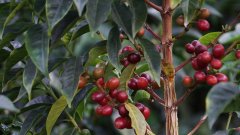
Limu Ethiopian grass and black sugar aroma fruit acid bright boutique coffee
The coffee-producing region of Ethiopia is divided into east and west parts by the East African Rift Valley, with lakes, volcanoes, lowlands, plateaus and woodlands interlaced, each evolving. Ethiopia has the most diverse coffee ecosystem in the world (forest coffee, semi-forest coffee, pastoral coffee and plantation coffee), which also preserves its rich Arabica genes. The eastern half is mostly plateaus, coffee beans.
2016-07-04 Lim Limu Ethiopia grass aroma sour bright boutique coffee
The Legend of Coffee in Zhukula Village, Dali, Yunnan Province
When it comes to the history of Chinese coffee, we have to mention Yunnan Dali Zhukula Coffee, which plays a vital role in the history of Chinese coffee. The ancient coffee forest in Zhukula Village is a unique variety of small-grain coffee in Yunnan. It is very rare and of excellent quality. It can be called a living fossil of Chinese coffee. In today's program, we will explore the century-old coffee legend of Zhukula Village. Zhu
2014-09-28 Coffee knowledge Yunnan coffee coffee legend
Introduction of Ethiopian Coffee Flavor and Fine Coffee
Ethiopian coffee beans grow in close to the natural environment, after years of planting under the same growth conditions, Ethiopian coffee beans have gradually adapted to the environment here. More than 60% of coffee beans are grown in forests or semi-forests. Large-scale coffee-growing villages account for about 35% of the country's total coffee production. Many of these are used.
2016-07-29 Ethiopia coffee producing area manor introduction flavor taste boutique
Taichung Totoro Forest Coffee Shop
It is said that the boss fell in love with chinchilla at the age of 10, coffee at the age of 20, and the cafe with the theme of chinchilla at the age of 30, so he slowly realized this fairy tale dream.
2014-05-30 Pictures cafe chinchilla cafe Taichung
Introduction to the growing environment of Ethiopian coffee
Ethiopian coffee beans grow in close to the natural environment, after years of planting under the same growth conditions, Ethiopian coffee beans have gradually adapted to the environment here. More than 60% of coffee beans are grown in forests or semi-forests. Large-scale coffee-growing villages account for about 35% of the country's total coffee production. Many of these are used.
2016-06-15 Ethiopia coffee growth environment introduction coffee beans grow in
Introduction to the manor in the flavor and taste area of Ethiopian boutique coffee beans
Ethiopian coffee beans grow in close to the natural environment, after years of planting under the same growth conditions, Ethiopian coffee beans have gradually adapted to the environment here. More than 60% of coffee beans are grown in forests or semi-forests. Large-scale coffee-growing villages account for about 35% of the country's total coffee production. Many of these are used.
2016-07-14 Ethiopia boutique coffee beans flavor taste producing area manor introduction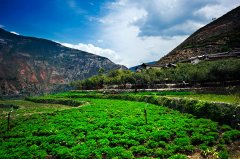
The Legend of Coffee in Zhukula Village, Dali, Yunnan Province
When it comes to the history of Chinese coffee, we have to mention Yunnan Dali Zhukula Coffee, which plays a vital role in the history of Chinese coffee. The ancient coffee forest in Zhukula Village is a unique variety of small-grain coffee in Yunnan. It is very rare and of excellent quality. It can be called a living fossil of Chinese coffee. In today's program, we will explore the century-old coffee legend of Zhukula Village. Zhu
2015-05-21 Yunnan Dali Zhu Kula century coffee legend speaking of China history
Chinese Coffee Culture Coffee Legend of Zhukula Village, Dali, Yunnan Province
When it comes to the history of Chinese coffee, we have to mention Yunnan Dali Zhukula Coffee, which plays a vital role in the history of Chinese coffee. The ancient coffee forest in Zhukula Village is a unique variety of small-grain coffee in Yunnan. It is very rare and of excellent quality. It can be called a living fossil of Chinese coffee. In today's program, we will explore the century-old coffee legend of Zhukula Village. Zhu
2014-11-19 Coffee culture Chinese coffee culture Yunnan coffee coffee legend
Coffee Culture the Biography of Coffee in Zhukula Village of Yunnan Province
When it comes to the history of Chinese coffee, we have to mention Yunnan Dali Zhukula Coffee, which plays a vital role in the history of Chinese coffee. The ancient coffee forest in Zhukula Village is a unique variety of small-grain coffee in Yunnan. It is very rare and of excellent quality. It can be called a living fossil of Chinese coffee. We went to explore the century-old coffee legend of Zhukula village. Zhu Kula, located in Yunnan Province
2014-10-14 Coffee culture Yunnan coffee culture
Flavor characteristics of Guatemalan coffee beans the planting environment of Guatemalan coffee
In Guatemala, migratory birds are found in different ecosystems on coffee farms. Legume trees are like cuje. Gushi N, and chalum (INGA), used in Guatemala as the main shade tree type, are not only beneficial to coffee plants, but also to migratory birds foraging birds, attracting nectar from flowers or flowers from insects. Other species of trees, epiphytic plants of the pineapple family
2016-05-24 Guatemala coffee beans flavor characteristics coffee planting environment melon land Mara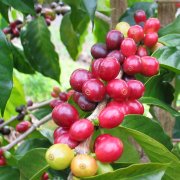
Rainforest Coban Rainforest Cob á Rain Forest Certified Coffee Bean Fine Coffee
Boutique coffee (specialty coffee) is also called specialty coffee selection coffee. It refers to coffee made from a small number of raw beans with excellent taste grown in an ideal geographical environment. Depending on the special soil and climatic conditions in which they grow, they have outstanding flavor. After strict selection and classification, this kind of coffee is hard in texture, rich in taste and stylish.
2016-06-19 Rainforest Coban Cob Certification Coffee beans Fine goods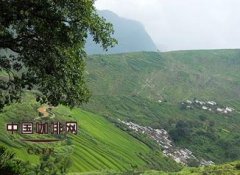
Chinese Coffee Culture the Legend of Coffee in Zhukula Village, Yunnan Province
When it comes to the history of Chinese coffee, we have to mention Yunnan Dali Zhukula Coffee, which plays a vital role in the history of Chinese coffee. The ancient coffee forest in Zhukula Village is a unique variety of small-grain coffee in Yunnan. It is very rare and of excellent quality. It can be called a living fossil of Chinese coffee. We went to explore the century-old coffee legend of Zhukula village. Zhu Kula, located in Yunnan Province
2015-02-09 China coffee culture Yunnan Zhu Kula coffee Zhuan speaking of
Indonesian Coffee Flavor and Taste Manor introduction to Indonesian Coffee characteristics Fuyin Manor Kopi Luwak
Across the north and south sides of the equator, Indonesia belongs to the tropical rain forest climate, which is controlled by the equatorial low pressure belt all the year round, prevailing updraft, high temperature and rainy all the year round, the main type of precipitation is convective rain, the annual average temperature is 25 ℃, Rain Water is abundant, with sufficient light, distributed in tropical rain forests, subtropical evergreen broad-leaved forests, mountain shrubs or hills, mountains, grasses, etc.
2016-08-01 Indonesia coffee flavor taste manor introduction characteristics fuyin cat shit
Ethiopian Coffee Manor Flavor Taste introduces Ethiopian boutique coffee beans
Sustainable coffee culture Ethiopian coffee beans grow in close to the natural environment, after years of planting under the same growth conditions, Ethiopian coffee beans have gradually adapted to the environment here. More than 60% of coffee beans are grown in forests or semi-forests. The villages that grow coffee in large areas account for about the total amount of coffee produced in the country.
2016-08-04 Ethiopia coffee manor producing area flavor taste introduction boutique coffee beans
Common sense of Coffee Culture Coffee Legend of Zhukula Village in Yunnan Province
When it comes to the history of Chinese coffee, we have to mention Yunnan Dali Zhukula Coffee, which plays a vital role in the history of Chinese coffee. The ancient coffee forest in Zhukula Village is a unique variety of small-grain coffee in Yunnan. It is very rare and of excellent quality. It can be called a living fossil of Chinese coffee. We went to explore the century-old coffee legend of Zhukula village. Zhu Kula, located in Yunnan Province
2015-03-09 Coffee culture common sense Yunnan Zhu Kula coffee legends speaking of China
Introduction to the characteristics of high-quality coffee beans in Panamanian coffee producing areas
Panama is rich in forest resources and has many tree species, including valuable wood such as mahogany, cedar, teak, mahogany, and cedar. The forest area of eastern Dalian Province is the most widely distributed, but it has not been fully developed due to lack of market and for reasons such as national defense and protection of the natural ecological environment. [5] according to FAO estimates in 2010, the forest area of Panama is 4.29 million hectares, accounting for the land area.
2016-09-22 Panama coffee variety producing area flavor taste boutique coffee beans characteristics introduction
History of Coffee in China the Legend of Coffee in Zhukula Village, Dali, Yunnan
When it comes to the history of Chinese coffee, we have to mention Yunnan Dali Zhukula Coffee, which plays a vital role in the history of Chinese coffee. The ancient coffee forest in Zhukula Village is a unique variety of small-grain coffee in Yunnan. It is very rare and of excellent quality. It can be called a living fossil of Chinese coffee. In today's program, we will explore the century-old coffee legend of Zhukula Village. Zhu
2014-12-26 China Coffee History Yunnan Dali Zhu Kula hundred years Legend speaking of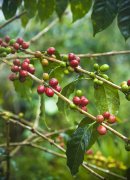
Sidamo Fruit Fruit Coffee with Light to moderate Baking and washing Nuts
The coffee-producing region of Ethiopia is divided into east and west parts by the East African Rift Valley, with lakes, volcanoes, lowlands, plateaus and woodlands interlaced, each evolving. Ethiopia has the most diverse coffee ecosystem in the world (forest coffee, semi-forest coffee, pastoral coffee and plantation coffee), which also preserves its rich Arabica genes. The eastern half is mostly plateaus, coffee beans.
2016-07-04 Dharma Sidamo light medium baking washing nuts fruit boutique