“Cob” search results (25)
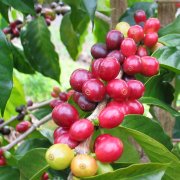
Rainforest Coban Rainforest Cob á Rain Forest Certified Coffee Bean Fine Coffee
Boutique coffee (specialty coffee) is also called specialty coffee selection coffee. It refers to coffee made from a small number of raw beans with excellent taste grown in an ideal geographical environment. Depending on the special soil and climatic conditions in which they grow, they have outstanding flavor. After strict selection and classification, this kind of coffee is hard in texture, rich in taste and stylish.
2016-06-19 Rainforest Coban Cob Certification Coffee beans Fine goods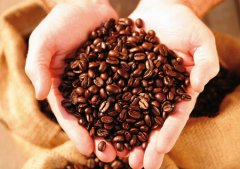
Introduction of Guatemalan Fine Coffee introduction to Guatemalan Coffee producing areas
Guatemala is a famous producer of high-quality Arabica coffee in Central America. Coffee from five volcanic and three non-volcanic producing areas is very unique and enjoys a high reputation in the international market. Mr. EduardoAmbrocio of the Guatemalan Coffee Company introduced Guatemalan coffee to the audience at the SCAA Houston show in April 2010. 1. Alcatraguo Valley (AcatenangoValley)
2016-03-30 Guatemala boutique coffee introduction producing area profile taste Central America
Fine Coffee learns from the characteristics of Coffee in eight producing areas of Guatemala
Guatemala is a famous producer of high-quality Arabica coffee in Central America. Coffee from five volcanic and three non-volcanic producing areas is very unique and enjoys a high reputation in the international market. Mr. EduardoAmbrocio of the Guatemalan Coffee Company introduced Guatemalan coffee to the audience at the SCAA Houston show in April 2010. 1. Alcatraguo Valley (AcatenangoValley)
2014-11-20 Coffee knowledge boutique caffeine Guatemala coffee characteristics
Characteristics of Coffee in eight producing areas of Guatemala
Guatemala is a famous producer of high-quality Arabica coffee in Central America. Coffee from five volcanic and three non-volcanic producing areas is very unique and enjoys a high reputation in the international market.
2014-06-14 Coffee knowledge Guatemalan coffee coffee characteristics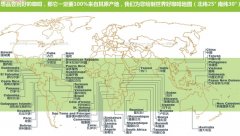
World-famous coffee beans and their origin
Latin American coffee beans (Central and South America) Brazil: Santos, Bahia, Cerrado, Mogiana Mexico: Coatepec, Huatusco, Orizaba, Maragogype, Tapanchula, Huixtla, Plumako
2015-09-16 World list coffee beans and their origin details Latin America individual products

A brief introduction to the world-famous coffee beans and their producing areas
Latin American coffee beans (Central and South America) Brazil: Santos, Bahia, Cerrado, Mogiana Mexico: Coatepec, Huatusco, Orizaba, Maragogype, Tapanchula, Huixtla, Plumako
2015-03-09 World list coffee beans and their origin profile Latin America individual products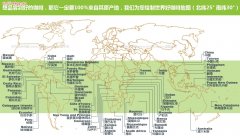
Introduction of well-known individual coffee beans and their origin in the world
Latin American coffee beans (Central and South America) Brazil: Santos, Bahia, Cerrado, Mogiana Mexico: Coatepec, Huatusco, Orizaba, Maragogype, Tapanchula, Huixtla, Plumako
2015-07-10 Countries around the world list coffee beans and their origin introduction Latin America individual products coffee
Classification standard of raw coffee beans
There are two ways to classify raw coffee beans, one is the filter number, and the other is the elevation.
2014-06-04 Coffee knowledge coffee raw beans grading standards
Guatemala coffee eight producing areas estate introduction boutique coffee Latissa estate
Traditional Atitln? Atitlan is one of the five largest volcanic coffee producing areas in Guatemala, and its soil organic matter is the richest of the five volcanic coffee producing areas. 90% of traditional Atitlan coffee is grown on the slopes of the intensely burning lake shore of Atitlan. The daily breeze stirring the lake is an important factor affecting the microclimate environment of the area.
2016-07-04 Guatemala coffee eight region estate presentation boutique Lati tradition A
Basic knowledge of high-quality coffee beans in coffee producing countries
Salvadoran Coffee Type: Arabica Coffee output: 1.300.000 bags of Salvadoran coffee has a milder, less sour classic Sino-American flavor profile. The best high-altitude Salvadoran coffee is obtained from bourbon and Parkmora coffee trees. This kind of coffee is fragrant, complex, lively and delightfully mild. Strict high altitude growth: Salvadoran coffee
2015-06-05 Coffee producing country boutique coffee beans basics common sense El Salvador coffee type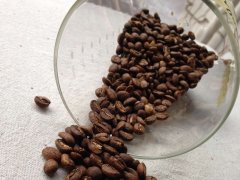
There are two ways to grade green coffee beans.
There are two ways to grade coffee beans, one is to filter the number of points, one is to elevation points. The size of the round beans is generally smaller than the flat beans, the round beans are between 8-13, and the flat beans are between 12-29. 8,9,10... 12,13... 18... 29= ,,......, Extra large. The bigger the number, the bigger the bean. SC-19, for example, is bean number 19.
2015-11-03 coffee green beans grading method two
Graded high-quality coffee beans
There are two ways to classify raw coffee beans, one is the filter number, and the other is the elevation. It is divided by the number of the filter screen, and the size is in the unit of the screen (size). Round beans are generally smaller than flat beans, between 8-13 and 12-29. 8, 9, 10. 12, 13. 18. 29 = small, medium, ordinary. Quasi-big. Big, extra large. The bigger the size, the bigger the beans. Like SC.
2014-09-13 Grading of raw coffee beans boutique coffee beans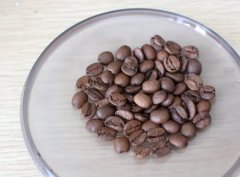
Standard for grading coffee beans
There are two ways to grade coffee beans, one is to filter the number of points, one is to elevation points. It is divided by the filter number and the size is determined by the mesh size. Round beans are generally smaller than flat beans, round beans between 8-13, flat beans between 12-29. 8,9,10... 12,13... 18... 29 = Small, Medium, Normal... It's a big... big, extra big. The bigger the number, the bigger the bean. Like SC
2015-01-08 quality coffee common sense green beans grading standard method
Grading standard of raw coffee beans
There are two ways to classify brown raw beans, one is to filter the number, and the other is to divide it by elevation. It is divided by the number of the filter screen, and the size is in the unit of the screen (size). Round beans are generally smaller than flat beans, between 8-13 and 12-29. 8, 9, 10. 12, 13. 18. 29 = small, medium, ordinary. Quasi-big. Big, extra large. The bigger the size, the bigger the beans. Like SC-1.
2014-08-20 Coffee knowledge grading standards coffee raw beans
Classification standard of coffee raw beans for fine coffee
There are two ways to classify raw coffee beans, one is the filter number, and the other is the elevation. It is divided by the number of the filter screen, and the size is in the unit of the screen (size). Round beans are generally smaller than flat beans, between 8-13 and 12-29. 8, 9, 10. 12, 13. 18. 29 = small, medium, ordinary. Quasi-big. Big, extra large. The bigger the size, the bigger the beans. Like SC.
2014-09-03 Coffee knowledge boutique coffee beans coffee raw beans coffee bean grading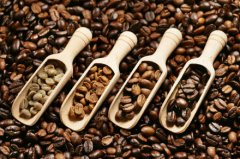
Quality coffee beans, knowledge, classification of raw coffee beans
There are two ways to classify raw coffee beans, one is the filter number, and the other is the elevation. It is divided by the number of the filter screen, and the size is in the unit of the screen (size). Round beans are generally smaller than flat beans, between 8-13 and 12-29. 8, 9, 10. 12, 13. 18. 29 = small, medium, ordinary. Quasi-big. Big, extra large. The bigger the size, the bigger the beans. Like SC.
2015-01-04 Boutique coffee beans knowledge coffee raw beans grading methods
Standard for grading of fine coffee beans, common sense coffee and raw beans
It is divided by the number of the filter screen, and the size is in the unit of the screen (size). Round beans are generally smaller than flat beans, between 8-13 and 12-29. 8, 9, 10. 12, 13. 18. 29 = small, medium, ordinary. Quasi-big. Big, extra large. The bigger the size, the bigger the beans. SC-19, for example, is the No. 19 bean. According to the elevation of the cultivated land, it can be divided into seven grades.
2015-01-13 Boutique coffee beans common sense coffee raw beans grading standards filtering number size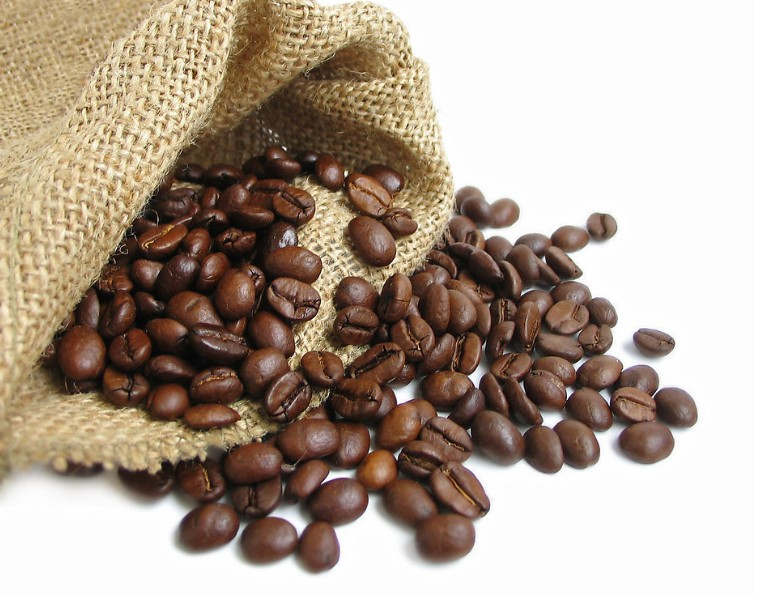
Get to know the Coffee from six Central American countries: a detailed introduction to Guatemala Coffee beans
The temperature of Guardiola is about 15 degrees. Because of the long mountains and the great climatic changes in the region, Guardiola has created eight major coffee producing areas in the country, all located on the highland topography under tropical weather. The rainfall is stable, the fertile volcanic ash soil is in a good environment, and the coffee beans produced are all Arabica, each with different flavor and characteristics, and the first-class sour taste and fruit.
2015-12-16 Understanding Central America big countries coffee melon land Mala coffee beans details introduction melon
Guatemala Antigua coffee Guatemala Antigua coffee beans Guatemala coffee bean producing areas
Eight major coffee producing areas in Guatemala. Acatenango Valley?: the Acatenango Valley valley is 2000 meters (6500 feet) above sea level, with dense shade and unique ecology. Nearby Fuego volcanoes continue to erupt, making its coarse, sandy soil rich in a variety of minerals. Temperate sea breezes from the Pacific and seasons
2016-09-01 Guatemala Antioch coffee coffee beans producing areas eight production