“for centuries” search results (9000)

Where on earth does coffee come from?
Around 900 AD, when a shepherd in the Cafa region of Ethiopia was grazing in the mountains, he found that the sheep were competing for a kind of red berry. After eating, the sheep were jubilant, and the shepherd was worried all night that his sheep had eaten some harmful food. Who knew the sheep were safe and sound the next day. This unexpected discovery prompted the shepherd to collect this wild fruit and boil juice to quench his thirst.
2016-10-14 Coffee after all Lilai AD 900 around Ethiopia Cafa region one
Wonderful fruit-flavored coffee Kenyan coffee beans
It entered Kenya in the 19th century, when Ethiopian coffee drinks were imported into Kenya through southern Yemen. But it was not until the early 20 th century that the Bourbon Coffee Tree was saint. The Austin Mission (St.AustinMission) was introduced. Kenyan coffee is mostly grown at 15002100 meters above sea level and is harvested twice a year. To ensure that only ripe berries are picked, people must patrol the forest
2015-05-15 Wonderful fruit flavor coffee Kenya coffee beans 19th century enter Kenny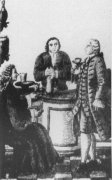
A brief History of World Coffee (2) World History of Fine Coffee
The first European description of coffee in 1573 was through German doctors staying in Syria. In the second half of the 16th century, the European people who traveled on the east coast of the land gradually spread. The British East India Company was established in 1660 and the East India Company was established in the Netherlands in 1602. The East India Company refers to the trade between Asia and Europe, South Asia and the East in the 17th and 19th centuries.
2015-06-15 World coffee history boutique world history 1573 Europeans the most
How much is a kilo of coffee beans? where can I buy coffee beans?
In a broad sense, there are two kinds of coffee beans in the world, Arabica beans and Robosta beans. The earliest Arab way to eat coffee was to chew the whole fruit (Coffee Cherry) to absorb its juice. Then they mixed the ground coffee beans with animal fat as a physical supplement for long trips, and it was not until about 1000 AD that the green coffee beans were used.
2016-04-30 Coffee beans less money one jin species where variety broad sense the world there are 2 kinds
Poetic prodigy Lambo Qiwen went to Egypt to do coffee business
Ethiopia is dominated by wild coffee forests. If you want to chew coffee fruit or drink coffee, you can pick it in the forest. Therefore, there is no coffee cultivation industry in ancient Ethiopia. Yemen had a large-scale coffee cultivation industry and coffee trade with Europe as early as the 15th and 16th centuries, and Ethiopia had no record of coffee trade until the 19th century. In 1838, Ethiopia passed through the Red Sea port.
2015-04-01 poetry prodigy lambo renunciation going to egypt coffee business ethiopia wild
The History of the spread of Fine Coffee Culture and Common sense Coffee (2)
The first European description of coffee in 1573 was through German doctors staying in Syria. In the second half of the 16th century, the European people who traveled on the east coast of the land gradually spread. The British East India Company was established in 1660 and the East India Company was established in the Netherlands in 1602. The East India Company refers to the trade between Asia and Europe, South Asia and the East in the 17th and 19th centuries.
2015-02-07 Boutique coffee culture common sense coffee communication 1573 Europeans
The History of the spread of Fine Coffee Culture and Common sense Coffee (2)
The first European description of coffee in 1573 was through German doctors staying in Syria. In the second half of the 16th century, the European people who traveled on the east coast of the land gradually spread. The British East India Company was established in 1660 and the East India Company was established in the Netherlands in 1602. The East India Company refers to the trade between Asia and Europe, South Asia and the East in the 17th and 19th centuries.
2015-04-28 Boutique coffee culture common sense coffee communication 1573 Europeans
Children's poor grades have something to do with coffee?
Now we all know that coffee is a good thing, but people used to think differently. Let's look back at the endless debate about coffee over the centuries. 16th century: coffee can make people excited. According to legend, a shepherd named Caldi in Ethiopia found that his sheep suddenly became excited after eating a kind of oily green leaves and red berries. He tried it himself.
2015-11-27 Kids grades coffee related now we you know coffee is a good thing.
Introduction to the making method of coffee, one of the three major drinks in the world
The cultivation and production of coffee in the 17th century has always been monopolized by Arabs. At that time, it was mainly used in medicine and religion, and doctors and monks admitted that coffee had the effects of refreshing, awakening, strengthening the stomach, strengthening the body and stopping bleeding. The use of coffee was documented at the beginning of the 15th century and was integrated into religious ceremonies during this period. At the same time, it also appeared in the folk as a daily drink. Because of Islam
2016-06-29 World three Beverage one Coffee making way introduction 17th Century
Coffee flavor and taste in Shaquiso, Ethiopia. Boutique coffee bean estate
Ethiopia is an ancient country with a history of 3000 years of civilization. The Hamite people who immigrated from the southern Arabian Peninsula were the earliest inhabitants. Monlinique I reigned in 975 BC. The Kingdom of Nubia was established in the 8th century BC. From the 1st century to 976 AD, the Ethiopian Empire, also known as the Kingdom of Aksum, was established in Aksum in the north. Christianity was introduced into Ethiopia in the 4th and 5th centuries.
2016-09-22 Ethiopia Shaquiso producing area Coffee Flavor Taste introduction Fine goods
The nutritional composition of Coffee the grade planning of coffee
First, the story of the shepherd legend around the tenth century AD, on the Ethiopian plateau of Africa, there was a shepherd Karl. One day he saw the goats suddenly looking very excited and excited. He thought it was strange, and then after careful observation, he found that the sheep were excited after eating some kind of red fruit. Carl tasted some curiously and found that he also felt after eating it.
2016-05-24 Coffee nutrition ingredients grades planning
Fine Coffee Training Culture Coffee and Japan
Coffee was brought to Asia by the Dutch at the end of the seventeenth century and early eighteenth century, and coffee was soon introduced to Japan. Around the Meiji Restoration, Japan advocated total Westernization, and the coffee culture with Dutch flavor had taken root in Japan. During the Taisho period (1879 - 1926), coffee houses flourished because of the liberal democratic atmosphere and the fresh and flourishing culture. But with the Japanese militarism
2014-12-30 boutique coffee training culture japan early seventeenth late century eighteenth centuryThe origin of coffee
Legend has it that three thousand years ago, shepherds and monks in the mountains of Ethiopia were excited to find that their sheep had eaten unknown fruits and leaves. They were initially regarded as medicines to treat mild headaches and diarrhea, and it was not until the fifteenth and sixteenth centuries that they evolved into the present method of drinking among Arabs. Second, spread and promote A. Coffee is the earliest.
2014-08-22 Coffee origin discovery legend three thousand years ago Yesso Pia Ethiop
Kenyan coffee with a wonderful fruit flavor
It entered Kenya in the 19th century, when Ethiopian coffee drinks were imported into Kenya through southern Yemen. But it was not until the early 20 th century that the Bourbon Coffee Tree was saint. The Austin Mission (St.AustinMission) was introduced. Kenyan coffee is mostly grown at 15002100 meters above sea level and is harvested twice a year. To ensure that only ripe berries are picked, people must patrol the forest
2015-07-30 There is a wonderful fruit flavor coffee Kenya 19th century enter
Coffee Roaster Large Industrial Roaster
After the American Civil War, coffee beans first appeared packaged for sale on shelves in major cafe systems. By the end of World War II, the dominant commodity in the North American coffee market was pre-roasted coffee beans/pre-ground coffee powder made by large roasters, and this type of high-volume roasting technology with centralized and standardized requirements was called coffee.
2015-04-14 Coffee Roaster Large Industrial Bean Roaster Type United States Civil War After
What are the main nutrients of coffee beans?
Coffee was planted in large numbers by Arabs in the 12th and 3rd centuries, and the world's first coffee shop was born in Damascus in the Middle East in the 16th century (1530). In just a few years, from the ancient Constantinople to the Caucasus, from the Persian Gulf to Budapest, and more than 200 cities throughout the empire had different numbers of coffee shops, and those cities were connected through the sand.
2016-05-27 Coffee beans main nutrition ingredients what coffee 12th 3rd century time ah
Coffee history and culture common sense where does coffee come from?
Around 900 AD, when a shepherd in the Cafa region of Ethiopia was grazing in the mountains, he found that the sheep were competing for a kind of red berry. After eating, the sheep were jubilant, and the shepherd was worried all night that his sheep had eaten some harmful food. Who knew the sheep were safe and sound the next day. This unexpected discovery prompted the shepherd to collect this wild fruit and boil juice to quench his thirst.
2015-06-17 Coffee history and culture common sense after all Li Lai AD 900 around Ethiopia
Wonderful fruit-flavored coffee Kenyan coffee
It entered Kenya in the 19th century, when Ethiopian coffee drinks were imported into Kenya through southern Yemen. But it was not until the early 20 th century that the Bourbon Coffee Tree was saint. The Austin Mission (St.AustinMission) was introduced. Kenyan coffee is mostly grown at 15002100 meters above sea level and is harvested twice a year. To ensure that only ripe berries are picked, people must patrol the forest
2014-12-19 Wonderful fruit flavor coffee Kenya 19th century entering at that time
The smell of coffee in Paris, France in the 17th century
I've been going to many cafes in recent years, and I'm getting bored. I often daydream about the old cafes, the old beauties that can only be read in books but cannot be experienced in person. For example, when it comes to cafes in Paris today, people's first impression is the relaxed and enjoyable atmosphere of relaxed seats in the shade of trees or in the Arbor. But in the past, Parisians drank coffee, which was not like this at all. Straight
2014-05-21 Coffee aroma in Paris France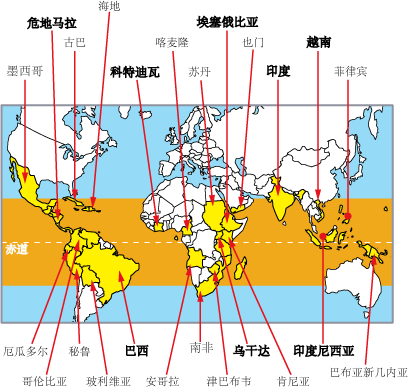
Coffee beans the story of coffee beans the origin of coffee beans the story of the shepherd
Coffee beans in a broad sense, there are two kinds of coffee beans in the world, Arabica beans and Robosta beans. The earliest Arab way to eat coffee was to chew the whole fruit (CoffeeCherry) to absorb its juice. Then they mixed the ground coffee beans with animal fat as a physical supplement for long trips, and it was not until about 1000 AD that the green coffee beans were used.
2016-04-12 Coffee beans China coffee stories origin sheep herding human coffee beans in a broad sense the world