“seventeenth” search results (57)

Fine Coffee Training Culture Coffee and Japan
Coffee was brought to Asia by the Dutch at the end of the seventeenth century and early eighteenth century, and coffee was soon introduced to Japan. Around the Meiji Restoration, Japan advocated total Westernization, and the coffee culture with Dutch flavor had taken root in Japan. During the Taisho period (1879 - 1926), coffee houses flourished because of the liberal democratic atmosphere and the fresh and flourishing culture. But with the Japanese militarism
2014-12-30 boutique coffee training culture japan early seventeenth late century eighteenth century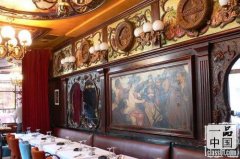
Le Procope in Paris, the Witness of French Literature
What made Prokop Cafe famous at that time was its location, opposite the famous Laoxi Theatre in Paris, so as soon as it opened, Prokop became a beverage place for the Comedy Theatre: actors, playwrights, and audiences, they all like to come here for a drink, comment on the play, chat and party before and after the performance or during the interval. It's on the site of a high-end salon bathroom.
2014-09-22 Coffee Culture Paris Cafe French Cafe
Boutique coffee common sense Puritans and new hobbies of the middle class
The Puritans usually held a skeptical and hostile attitude towards pleasure. Max Weber said in Protestant Ethics and the Spirit of Capitalism: any unrestrained enjoyment of life, whether it is the sports of the aristocracy or the indulgence of ordinary people in the dance floor or hotel, will drive people to abandon their duties and deviate from religion, so they should become the enemy of rational asceticism. Although
2015-06-11 Boutique coffee common sense Puritans middle class new hobbies
History of coffee shops History of coffee drinking culture
At the beginning of the seventeenth century Constantinople was the capital of the most powerful empire in Europe. Coffee houses were already very popular in the Ottoman Empire when the British noticed them. The construction of a palatial café became the first act of Ottoman rulers after conquering a city to demonstrate the civilized nature of their rule. Some British travelers and merchants believed that Iraq
2015-06-12 Cafe History Coffee Cultural History Seventeenth Century Constantine Europe Powerful
Roasting coffee beans with technology-modified ruts
Although coffee drinking and growing methods developed dramatically in the seventeenth and eighteenth centuries, progress in roasting was very poor. The most common method of roasting at the time was to follow the Middle Eastern method of simple roasting: placing green coffee beans in an iron pan, then moving to a fire and roasting, stirring until the coffee beans were evenly mixed.
2015-04-13 technology improvement rutting roasting coffee beans though seventeenth eighteenth century coffee
Indonesian Coffee Asian Coffee
Asian coffee is more full-bodied than Central and South American and African beans, but less sour, with a hint of heavy wood, herbs, spices and earth, and a deep, smoky aroma over an elevated acid aroma. At the end of the seventeenth century, the Dutch East India Company transplanted the Arabica tree (tibica) from India to Jakarta, Java. Due to the favorable climate and soil conditions, Arabica soon spread to Sumatra on Java Island.
2015-04-14 Indonesia coffee Asia presentation thickness Central and South America Africa beans
Coffee training Culture Coffee and Japan
As early as the end of the 17th century, the Dutch brought coffee to Asia in the early 18th century, and coffee was soon introduced to Japan. Before and after the Meiji Restoration, Japan advocated total westernization, and the coffee culture with Dutch flavor took root in Japan. During the Taisho period (1879-1926), due to the pervasive atmosphere of freedom and democracy, fresh and luxuriant culture, cafes have been very prosperous. But with the Japanese army,
2014-10-09 Coffee knowledge Coffee Culture Coffee and Japan
The sentimental poet memorizes coffee cups
Literati and coffee have been inextricably linked since the 17th century. Coffee inspires us, but also reminds the sentimental heart of literati artists. How many great works are born from the strong coffee fragrance? Even JK Rowling wrote the world-famous novel Harry Potter in a coffee shop in London. A good cup of coffee satisfies our fussy appetites; a good book.
2015-07-20 sentimental poet notes coffee cup literati and man and coffee seventeenth century
A mocha pot is a coffee pot. Why is coffee mocha?
Historically, the word mocha has been used as a nickname for coffee, coffee being mocha. Coffee pot is mocha pot. Italian invention. Why is coffee mocha? In the early seventeenth century, the first Yemeni coffee sold to Europe was exported through the ancient small port of Mocha, which Europeans (first Italian merchants) called mocha coffee.
2015-10-23 Mocha pot that is coffee pot why coffee mocha historically one word
British people who once loved coffee in coffee culture switched to tea.
The British like to drink tea, but people living around Britain are keen on another kind of drink, coffee. The Nordic region, located in the north of England, is the most coffee-hungry region in the world. The five Nordic countries occupy the first, second, third, fourth and sixth places in the ranking of coffee consumption per capita, respectively, while Belgium, which ranks eighth, faces the United Kingdom across the sea. Why are the British?
2014-12-03 Coffee culture once favorite coffee British changed to drink tea England people love
Mocha Country--Yemen Ethiopia introduced mocha pot gold coffee
The word mocha first arose in Europe in the sixteenth and seventeenth centuries, because coffee imported from the Arab world at that time was transferred from the port of mocha in Yemen, so people initially regarded mocha as synonymous with coffee, so until the invention of the mocha pot in the 20th century, people naturally called this coffee brewing appliance mocha pot. As for Ethiopian mocha and Yemeni mocha, the difference starts
2016-04-13 mocha country Yemen Ethiopia incoming mocha pot gold medal coffee
Boutique Coffee Culture Coffee and Japanese Cultural Story
As early as the end of the 17th century, the Dutch brought coffee to Asia in the early 18th century, and coffee was soon introduced to Japan. Before and after the Meiji Restoration, Japan advocated total westernization, and the coffee culture with Dutch flavor took root in Japan. During the Taisho period (1879-1926), due to the pervasive atmosphere of freedom and democracy, fresh and luxuriant culture, cafes have been very prosperous. But with the Japanese army,
2014-11-22 Coffee culture boutique coffee culture coffee and Japan
What is the authentic Indonesian Kopi Luwak Indonesian coffee flavor Arabica boutique beans
The mellow thickness of Asian coffee is higher than that of Central and South American and African beans, but its sour taste is lower, with slightly sunken wood, herb, spice and earthy flavor, and its low and stuffy aroma is higher than that of rising sour flavor. At the end of the 17th century, the Dutch East India Company transplanted Indian Arabica trees (Tibica) to Jakarta, Java. Due to the suitable climate and soil, Arabica quickly spread to Sumanda, Java.
2016-04-29 What is authentic Indonesia cat shit coffee flavor rabbi boutique Asia
Coffee Culture in Italy
Since the opening of the first cafe in Venice in the 17th century, coffee set culture has become one of the undisputed protagonists in Italian culture. According to the Italian news agency ANSA, Italians drink 600 cups of coffee per person per year, ranking sixth in the world, behind the United States, Germany, France, Spain and Britain. In addition, Italy ranks first in the production of espresso coffee machines.
2014-09-27 Coffee Culture Coffee Encyclopedia Coffee Literature
The Historical Development of Coffee in the World
Sixth century Ethiopian shepherds found red coffee fruit 11th century Arab merchants spread coffee to Europe in the 13th century Arab-centered Islam drank coffee by roasting and grinding raw beans in 1529 the Viennese Franz Geora Kolschitzky established the first coffee shop in Europe, he also opened the atmosphere of drinking coffee with milk 15
2015-04-14 World Coffee History Development sixth Century Yesso Bia Shepherd Discovery Red
Making coffee is an Italian craft.
Since the opening of the first cafe in Venice in the 17th century, coffee set culture has become one of the undisputed protagonists in Italian culture. According to the Italian news agency ANSA, Italians drink 600 cups of coffee per person per year, ranking sixth in the world, behind the United States, Germany, France, Spain and Britain. In addition, the output of espresso coffee machine in Italy
2014-08-08 Brewing coffee Italy one handicraft 17th century coffee shop water city
Coffee and the basic knowledge of Japanese Coffee Culture
As early as the end of the 17th century, the Dutch brought coffee to Asia in the early 18th century, and coffee was soon introduced to Japan. Before and after the Meiji Restoration, Japan advocated total westernization, and the coffee culture with Dutch flavor took root in Japan. During the Taisho period (1879-1926), due to the pervasive atmosphere of freedom and democracy, fresh and luxuriant culture, cafes have been very prosperous. But with the Japanese army,
2015-06-12 Coffee Japan coffee culture fundamentals common sense as early as the 17th century the end of the 18th century
Health Benefits of Coffee
Coffee was initially used only in religious ceremonies and by prescription. Since the medical community discovered its beauty, more and more physicians have prescribed it. Coffee can be used to treat many diseases, such as kidney stones, gout, smallpox, measles and cough. A late seventeenth century document quotes the work of the botanist Alpinos. In his book on Egypt, Medicine and Plants,
2015-10-12 coffee brings health benefits initially only in religion ceremony physician
A brief introduction to the history of coffee beans in Indonesia
A brief History of Coffee in 1696, the Governor of the Netherlands in Malabar, India, gave a batch of coffee seedlings to the Governor of the Netherlands in batavia in Batavia (present-day Jarkata in Jakarta). This was the first time that coffee was grown in Indonesia. However, the first batch of coffee seedlings were washed away by the flood. In 1699, Batavia received the gift again. This time, the coffee seedlings survived and came first in 1701.
2016-06-03 Indonesia coffee beans history introduction coffee brief history 1696
The Health Benefits of Coffee
Coffee was initially used only in religious ceremonies and by prescription. Since the medical community discovered its beauty, more and more physicians have prescribed it. Coffee can be used to treat many diseases, such as kidney stones, gout, smallpox, measles and cough. A late seventeenth century document quotes the work of the botanist Alpinos. In his book on Egypt, Medicine and Plants,
2014-12-25 boutique coffee common sense bring health benefits at first only in religion