“first wash” search results (8000)
Caesar Louis Manor, Poquet boquete, Panama, washing and processing Fine Coffee cooked beans
Country: Panamanian level: SHB area: Baru Volcano Poquet producing area (Boquete) altitude: 1400m treatment: washing varieties: Kaddura (Caturra) and other production: Casa Ruiz, S.A.) Flavor: floral aroma, citrus slightly sour, clean and bright coffee was introduced to Panama in 1780 and was brought into the first place by Europeans
2016-03-25 Panama Pokui boquete producing area Caesar Louis Manor washing
Brazilian coffee beans processing Brazilian coffee green beans wholesale coffee beans American coffee beans
The four most common treatments for Brazilian coffee are sun, desizing, half-washing and washing, with sun being the most popular. Since the harvest seasons of Cerrado Mineiro and Mogiana Paulista, Brazil's two main producing areas, are both dry seasons of the year, natural solarization is common in this area.
2016-07-08 Brazil coffee beans processing way coffee green beans wholesale America
Coffee knowledge production method of high-quality coffee
After harvest, peel, pulp, racing peel and silver peel should be removed before shipping and listing. There are two kinds of methods: drying (also known as natural or non-washing) and washing. The drying method is relatively simple. First of all, spread the freshly harvested fruit on the sun field for a week or two until the fruit crackles and dries naturally. After that, the dried pulp is removed by a sheller.
2015-03-04 Coffee knowledge boutique production method harvest fruit shipment listing removal
Introduction to the flavor and taste of Rwandan coffee the characteristics of Rwandan coffee beans
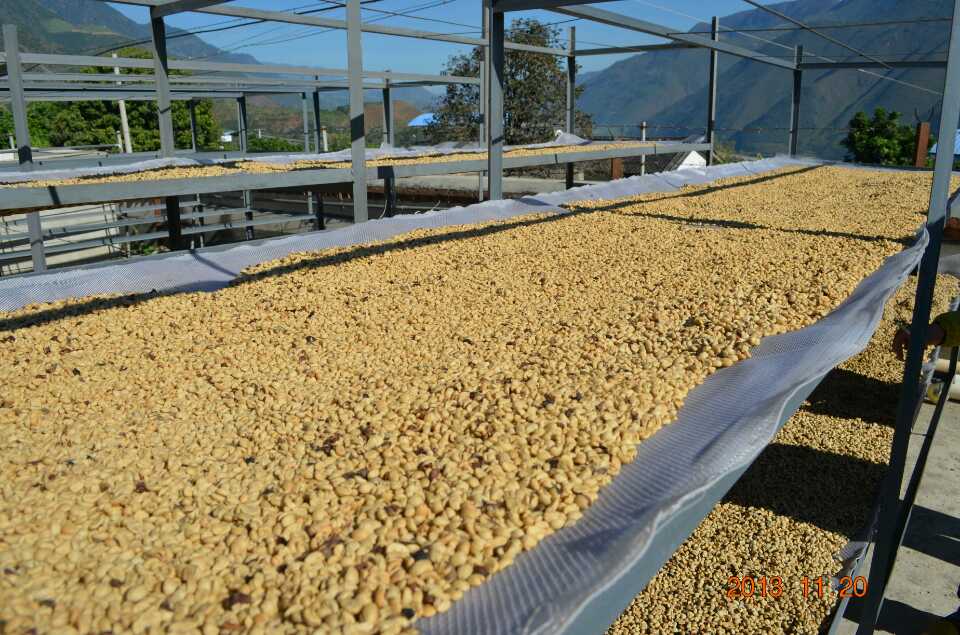
Most of the coffee in Rwanda is washed. The water washing method will first wash and flotation the ripe coffee fruit, then remove the exocarp, pulp and part of the pectin layer, then send the coffee into the fermentation tank, remove the remaining pectin layer and then send it to the drying ground for drying treatment, so that the water content reaches about 13%. The coffee in the picture above is placed in an African shed to dry.
2016-08-01 Rwanda coffee flavor taste introduction boutique coffee beans characteristics
The difference between the specification of coffee beans and grade washing / non-washing
a. Washing type / non-washing type: in the sink, after rubbing with water and utensils, the pulp and gum are removed and dried, which is called washed coffee beans with uniform quality. Non-washing type: after the sun is naturally dried, the pulp and peel is removed by a sheller, and its quality is unstable. b. The fruit of flat bean / round bean coffee is made up of two oval seeds opposite each other. The connected side
2015-09-23 Coffee beans specifications grades washing distinction in water trough water flow utensils
Muxiuyi, western province of Luanda, washed fine coffee, raw beans, single bourbon beans.
Like many African countries, Rwandan coffee is mainly produced by small farmers, and the ripe cherry fruits are collected and sent to the processing station every year during the harvest period. During the annual harvest period, the ripe coffee berries picked by farmers are concentrated in the treatment station for treatment, first selected by hand to ensure that no immature or damaged fruit is mixed in. Then remove the peel in a cool, cold ring
2016-05-20 Luanda Anda Western Province Muxiu Water washing Fine goods Coffee Raw beans single Product Bo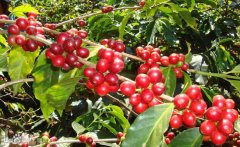
Brazilian coffee green beans processing technology American coffee beans honey processing commercial Brazilian beans green beans
The four most common treatments for Brazilian coffee are sun, desizing, half-washing and washing, with sun being the most popular. Since the harvest seasons of Cerrado Mineiro and Mogiana Paulista, Brazil's two main producing areas, are both dry seasons of the year, natural solarization is common in this area.
2016-06-28 Brazil Coffee Green beans Processing Craft Americas Coffee beans Commercial
Rwanda Coffee Bean Flavor Description Grind Taste Characteristics Estate Introduction
Rwandan coffee is mostly washed. The washing method first washes and floats the ripe coffee fruit, then removes the exocarp, pulp and part of the pectin layer, then sends the coffee to the fermentation tank, ferments the remaining pectin layer and sends it to the drying field for drying treatment, so that the moisture content reaches about 13%. The coffee in the picture above is placed on the African shed for drying
2016-10-19 Rwanda Coffee Bean Flavor Description Grind Taste Characteristics Region Manor Medium
Introduction to the characteristics of Coffee Flavor description in Saint Roman Manor, Costa Rica
The current Constitution entered into force on November 7, 1949. The Constitution stipulates that the state implements a republic with the separation of legislative, judicial and executive powers. The General Audit Office and the Supreme Electoral Court are independent bodies. The President shall be the head of State or Government and may stand for re-election every other term; the President and Vice President shall be directly elected for a term of four years; when the President is absent, the first Vice President and the second Vice President shall negotiate in turn.
2016-09-24 Costa Rica Roman Manor Coffee Flavor description producing area characteristics introduction
Grade Analysis of Ethiopian Coffee beans
Ethiopian coffee beans are divided into five levels. The first and second stages are washed beans. Washed beans Grade1 represents 3 defective beans per 300g raw beans, and Grade2 represents 4 defective beans per 300g. Gradc1 grade water washed beans are very rare and are generally difficult to buy. At present, all the washed beans exported from Ethiopia are Grade2 grade. The quality of sun-dried beans is Grade3 and Grad in order.
2016-05-22 Ethiopia Yega Sheffield Coffee Coffee beans Grade Analysis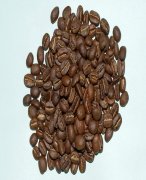
Common sense of roasting coffee beans Gatia, Rwanda
The baking ends before the first explosion is completely over and the second explosion has not yet begun. Judging from the baking results, this bean belongs to high-altitude hard beans, which may require a little more firepower when baking. Roast Rwanda Rwanda GATARE WASHING STATION coffee cooked beans roast Rwanda Rwanda GATARE WASHING STATION coffee raw beans Luwang
2015-02-11 Coffee beans roasting common sense Rwanda Gatti first explosion complete end second explosion Shang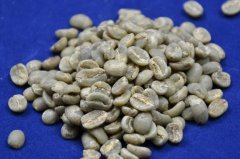
Kenya AA completely washed coffee beans
English name: Kenya AA English name: Kenya AA Commodity Specification: 227g Coffee country: Kenyan Coffee Grade: AA treatment: complete washing treatment roasting degree: medium and Deep roasting (Full City +) / second burst first break intensive Coffee Industry all think that Kenya kenya AA coffee is one of its favorite products, because Kenya kenya AA coffee bag
2015-09-12 Kenya complete washing processing coffee beans Chinese name English name
Which country is the first to discover which country coffee culture comes from and which country is Colombian?
Coffee origin which country coffee culture Tanzania coffee is mostly washed, mainly with fermented roasting and other coffee farmers will send the coffee fruit to the nearest processing plant for processing. The first step of the washing method is to screen and remove the impurities in the coffee fruit, then remove the pulp and exocarp of the coffee, and send it into the fermentation tank.
2016-05-23 Which country was the first to discover coffee coffee culture from what Colombia
Jasmine-scented Yega Chefevoca Coffee Flavor Manor
Washing Ethiopia can reach the highest level of G1, and it is rare to see this bean from a single farm, Ethiopia, processed by Worka cooperative. Alemayehu Alako Farm is a member of the Waka Cooperative. The Waka Cooperative, located in the south of Gedeb District, was founded in 2005 and joined the famous Yejia Sheffield Coffee Farmers Cooperative that year.
2016-08-12 Jasmine incense Yega Sheffield Wauka coffee flavor taste manor producing area
Water washing method for the primary processing of coffee beans
Washing is the most popular and widely used method of raw bean treatment at present, and most of the boutique coffee beans will choose the washing method. In South America, all countries except Brazil choose to wash raw beans.
2014-06-18 Coffee knowledge coffee processing washing treatment
Coffee bean treatment-washing method
Washing is the most popular and widely used method of raw bean treatment at present, and most of the boutique coffee beans will choose the washing method. In South America, all countries except Brazil choose to wash raw beans.
2014-09-01 Coffee knowledge coffee bean treatment washing method
Costa Rican Saint Roman washing fine coffee beans Costa Rican coffee beans
The best coffee in Costa Rica seems to come from small processing plants, spread across several major coffee producing areas, including Tarazu and the western valley. This so-called coffee revolution originated 15 years ago and has greatly changed the way bean baking experts and importers think about Costa Rican coffee. Take the processing plant as the center, collect coffee beans from the surrounding small farms for processing, most of these farms are small societies
2016-05-08 Costa Rica Roman washing boutique coffee beans practice okay
Introduction to the production methods and treatment methods of coffee beans
After harvest, peel, pulp, racing peel and silver peel should be removed before shipping and listing. There are two kinds of methods: drying (also known as natural or non-washing) and washing. The drying method is relatively simple. First of all, spread the freshly harvested fruit on the sun field for a week or two until the fruit crackles and dries naturally. After that, the dried pulp is removed by a sheller.
2016-06-27 Coffee beans mode of production treatment method introduction coffee fruit harvest
Costa Rican coffee flavor Central and South American coffee characteristics Tara Pearl Diamond Villa washing SHB card
Costa Rican coffee plants were imported from Cuba in 1779 and exported for the first time in 1820. There are now about 32000 coffee farmers, with an average of less than 10000 yuan per farmer. Costa Rica has a population of 410 million (2006), an active coffee planting area of 82500 square meters, an annual output of 1.7 million bags (60kgs per bag), and an annual consumption of 38 million bags in China.
2016-04-15 Costa Rica Coffee Flavor Central and South America characteristics Tara Pearl Diamond Stone Mountain Zhuang
Costa Rican coffee flavor Central and South American coffee characteristics Tara Pearl Diamond Villa washing SHB card
Costa Rican coffee plants were imported from Cuba in 1779 and exported for the first time in 1820. There are now about 32000 coffee farmers, with an average of less than 10000 yuan per farmer. Costa Rica has a population of 410 million (2006), an active coffee planting area of 82500 square meters, an annual output of 1.7 million bags (60kgs per bag), and an annual consumption of 38 million bags in China.
2016-04-15 Costa Rica Coffee Flavor Central and South America characteristics Tara Pearl Diamond Stone Mountain Zhuang