“exocarp” search results (661)

Species morphology of Colombian coffee
The varieties of Lambian coffee are mainly small-grain coffee. Plants are small trees or large shrubs, 5-8 m tall, usually much branched at base; old branches gray-white, nodes dilated, young branches glabrous, compressed. Leaves thinly leathery, ovate-lanceolate or lanceolate, 6-14 cm long and 3.5-5 cm wide, tip long acuminate, acuminate part 10-15 mm long, base cuneate or slightly obtuse, rarely rounded, entire or present
2016-06-01 Columbia Coffee species Morphology Biya varieties Major small grains plants
Fine coffee Colombian coffee species morphology
The main varieties of Colombian coffee are small grains of coffee. Plants are small trees or large shrubs, 5-8 m tall, usually much branched at base; old branches gray-white, nodes dilated, young branches glabrous, compressed. Leaves thinly leathery, ovate-lanceolate or lanceolate, 6-14 cm long and 3.5-5 cm wide, tip long acuminate, acuminate part 10-15 mm long, base cuneate or slightly obtuse, rarely rounded, entire or
2016-05-29 Boutique Coffee Columbia species Morphology varieties Major
Species morphology of Colombian coffee bean
The main varieties of Colombian coffee are small grains of coffee. Plants are small trees or large shrubs, 5-8 m tall, usually much branched at base; old branches gray-white, nodes dilated, young branches glabrous, compressed. Leaves thinly leathery, ovate-lanceolate or lanceolate, 6-14 cm long and 3.5-5 cm wide, tip long acuminate, acuminate part 10-15 mm long, base cuneate or slightly obtuse, rarely rounded, entire or
2016-06-03 Columbia Coffee beans species Morphology Coffee varieties Major small
Coffee fruit
The fruit is a berry, also known as comb fruit, oval, 9-14 mm long, young fruit green, red when ripe, purplish red.
2014-06-14 Coffee knowledge coffee fruit coffee encyclopedia
Beautiful coffee fruit
Most of the coffee producing areas in the world are located in the tropics between the Tropic of Cancer and the Tropic of Cancer, which we call the "coffee belt".
2014-06-19 Coffee knowledge coffee fruit coffee encyclopedia
Morphological characteristics and planting environment of small-grain coffee
Morphological characteristics edit small trees or large shrubs, 5-8 m tall, base usually much branched; old branches gray, small-grained coffee (6) nodes inflated, young branches glabrous, compressed. Leaves thinly leathery, ovate-lanceolate or lanceolate, 6-14 cm long and 3.5-5 cm wide, tip long acuminate, acuminate part 10-15 mm long, base cuneate or slightly obtuse, rarely rounded, entire or present
2016-06-13 Small grains coffee morphological characteristics planting environment editors trees or large
Arabica coffee bean planting species morphology Colombian coffee bean
The main varieties of Colombian coffee are small grains of coffee. Plants are small trees or large shrubs, 5-8 m tall, usually much branched at base; old branches gray-white, nodes dilated, young branches glabrous, compressed. Leaves thinly leathery, ovate-lanceolate or lanceolate, 6-14 cm long and 3.5-5 cm wide, tip long acuminate, acuminate part 10-15 mm long, base cuneate or slightly obtuse, rarely rounded, entire or
2016-04-22 Rabbi Coffee beans planting species Morphology Columbia Coffee products
Treatment methods of coffee beans
1.2 washing is the most popular treatment method at present, and most of the boutique coffee beans will choose the washing method. Washing coffee refining process: harvesting storage tank (removal of impurities and immature beans) pulp removal machine (removal of pulp and impurities) fermentation tank (removal of mucous membrane attached to endocarp) washing pool (select light and hard beans) sun drying field (or dryer)
2016-06-05 Coffee beans treatment method
Nicaragua coffee beans with refined flavors Variety Flavors Lemontree Manor
In order to ensure the quality of coffee, the method of manual picking will be used in the picking process of coffee fruit, and the fully ripe fruit will be picked one by one. It usually takes three times to complete the picking. Although the manual picking method is high in labor cost and low in picking efficiency, it can greatly protect the plants from damage during the picking process, and the ripe fruits will have better sweetness.
2016-07-12 possession fine flavor Nicaragua coffee beans region variety presentation lemon tree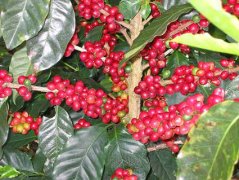
Colombian coffee bean species morphology Central and South American flavor
Species Morphology Colombian Coffee Plant Morphology Colombian coffee is mainly small grain coffee. Plants are small trees or large shrubs, 5-8 m tall, usually much branched at base; old branches gray-white, nodes dilated, young branches glabrous, compressed. Leaves thinly leathery, ovate-lanceolate or lanceolate, 6-14 cm long and 3.5-5 cm wide, tip long acuminate, acuminate 10-15 mm long, basal
2016-04-20 Columbia coffee beans species morphology Central and South America flavor brother
The History or Origin of Blue Mountain Coffee what are the three types of coffee
At present, there are three kinds of coffee: Arabica, Robusta and Liberika. Arabica species: of Elaraby Sinia (now Ethiopia), with the highest quality of the three largest tree species, accounting for 2/3 of the world's coffee production. Coffee beans are oval and flat, cultivated in the highlands. It has strong fragrance and good quality; Robusta species: from Africa, Congo, resistant to disease
2016-06-13 Blue Mountain Coffee History Origin History Coffee three species present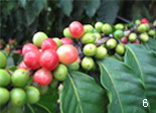
What is the structural stratification of coffee fruit? Is it true that there are five floors from the inside out?
The picture above shows the plane structure of coffee fruit. A mature and complete coffee fruit is divided into the above five parts. This picture shows the cross section of the coffee fruit, from which you can see the main structure of the coffee fruit more intuitively. Coffee should be grown with seeds with endocarp, and the raw coffee beans we usually come into contact with have already
2015-12-30 Coffee fruit structure layering how from the inside total five layers really outer skin
How to deal with coffee beans how to make good siphon coffee
The appearance of coffee beans processed by water washing in the drying field is neat, and the impurities and defective beans are less, and the water content of coffee beans is generally about 16%. The advantage is that it has less miscellaneous flavor, clear taste and bright sour taste; the biggest disadvantage is that coffee beans are easy to get sour and astringent taste during fermentation, and a fermented bean will spoil 50 grams of beans. Yejasuffe G2 / water washing method 1.3 and a half
2016-06-07 Coffee beans treatment method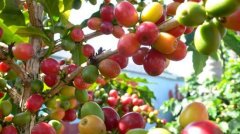
Colombian coffee species morphology coffee varieties boutique coffee beans China Coffee Network
The main varieties of Colombian coffee are small grains of coffee. Plants are small trees or large shrubs, 5-8 m tall, usually much branched at base; old branches gray-white, nodes dilated, young branches glabrous, compressed. Leaves thinly leathery, ovate-lanceolate or lanceolate, 6-14 cm long and 3.5-5 cm wide, tip long acuminate, acuminate part 10-15 mm long, base cuneate or slightly obtuse, rarely rounded, entire or
2016-04-15 Columbia Coffee species Morphology Variety Fine goods Coffee beans China
Tanzanian Coffee Flavor Taste Estate Introduction Fine Coffee Bean
Tanzania is also often compared to its neighbour kenya. It is said that Tanzania's earliest Arabica coffee was introduced from Kenya by Christians and is similar to Kenya in flavor characteristics. Grapefruit aromas and soft, bright acidity. However, since Tanzania's economic conditions are worse than Kenya's, production conditions are poorer. Tanzania for quality
2016-07-19 Tanzania Coffee Flavor Taste Manor Region Introduction Boutique Coffee Bean
Colombian coffee bean Colombian species morphology Central and South American coffee beans
Species morphology the main varieties of Colombian coffee are small grain coffee. Plants are small trees or large shrubs, 5-8 m tall, usually much branched at base; old branches gray-white, nodes dilated, young branches glabrous, compressed. Leaves thinly leathery, ovate-lanceolate or lanceolate, 6-14 cm long and 3.5-5 cm wide, tip long acuminate, acuminate part 10-15 mm long, base cuneate or slightly obtuse, rarely round
2016-04-28 Colombia coffee beans species morphology Central and South America
Coffee berry picking-berry treatment-drying
The coffee beans we are talking about are actually the seeds of a fruit similar to cherries.
2014-06-17 Coffee knowledge coffee berries coffee encyclopedia
Tanzanian coffee processed by washing Introduction Fine coffee beans
Tanzanian coffee is often washed, and coffee farmers will send the coffee fruit to the nearest processing plant for processing after picking. The washing method comprises the following steps: firstly, screening and removing impurities doped in coffee fruits; then removing coffee pulp and pericarp; sending the coffee fruits into a fermentation tank; removing pectin layer adhered to the pericarp through fermentation; and cleaning.
2016-07-06 adoption washing way processing Tanzania coffee presentation boutique coffee beans
Coffee bean picking-berry treatment-drying
The coffee beans we are talking about are actually the seeds of a fruit similar to cherries.
2014-06-14 Coffee knowledge coffee bean picking coffee encyclopedia
Washed bourbon Rwandan coffee western province Lutexiluo producing area
Coffee fruits need to be transported to the processing plant as soon as possible after picking, but due to lack of facilities in the country, it is impossible to process the fruits in the first time. The fruits accumulate together after being picked, and lack of ventilation will continue to accelerate mold and rot. The rotten fruits will affect the quality of coffee and appear defective flavor. Rwanda in recent years has had a significant increase
2016-07-01 washed bourbon rwanda coffee western province texi producing area real mining