“exocarp” search results (661)

Introduction of Rwanda boutique coffee bourbon by washing method introduction of flavor and taste of Rwandan coffee
Most of the coffee in Rwanda is washed. The water washing method will first wash and flotation the ripe coffee fruit, then remove the exocarp, pulp and part of the pectin layer, then send the coffee into the fermentation tank, remove the remaining pectin layer and then send it to the drying ground for drying treatment, so that the water content reaches about 13%. The coffee in the picture above is placed in an African shed to dry.
2016-07-28 Washing treatment Rwanda boutique coffee bourbon introduction flavor taste Lu
Description of coffee flavor in Tanzania introduction to the treatment of taste grinding degree of high-quality coffee beans
Tanzanian coffee is mostly washed. After picking, coffee farmers will send the coffee fruit to the nearest processing plant for processing. The treatment step of the water washing method is to screen and remove the impurities in the coffee fruit, then remove the coffee pulp and exocarp, send it into the fermentation tank, and remove the pectin layer from the inner pericarp by fermentation. Clean
2016-09-27 Tanzania coffee flavor description producing area characteristics boutique coffee beans taste
Coffee and its products-terminology
The national standard of the people's Republic of China Coffee and its products Vocabulary GB/T 18007 1999 terms for coffee and its products this standard specifies the most commonly used terms for coffee and its products. This standard is applicable to the formulation and revision of relevant standards and documents, as well as the preparation and translation of professional manuals, teaching materials, books and periodicals. 2 Coffee nouns and definitions 2.1 General techniques
2015-08-14 Coffee and its products terms people's Republic of China national standards coffee
Coffee knowledge Coffee growth cycle and picking
Coffee beans are the seeds of coffee trees. After three or four years of growth, the coffee tree matures and begins to bear fruit, with one fruit arranged in clusters or clusters along the branches. The outside of the seed is a layer of peel, which can be picked as soon as it turns red. Under the red skin (exocarp) there is a layer of pulp (mesocarp), which is a small thin layer, and then a layer of material endocarp like parchment. In
2014-09-16 Coffee knowledge coffee growth cycle coffee picking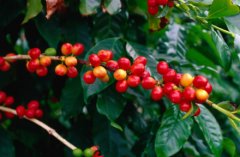
The picking of coffee beans coffee beans are the seeds of coffee trees.
Coffee beans are the seeds of coffee trees. After 3-4 years of growth, the coffee tree matures and begins to bear fruit in clusters or clusters along the branches. The outside of the seed is a layer of peel, which can be picked as soon as it turns red. Under the red skin (exocarp) there is a layer of pulp (mesocarp), which is a small thin layer, and then a layer of material endocarp like parchment. In all
2015-09-08 Coffee beans picking coffee tree knot coffee bean over 3-4
Description of the Flavor of Coffee planting Environment in Tanzania introduction to the characteristics and sources of Coffee from the production region
Tanzanian coffee is mostly washed. After picking, coffee farmers will send the coffee fruit to the nearest processing plant for processing. The treatment step of the water washing method is to screen and remove the impurities in the coffee fruit, then remove the coffee pulp and exocarp, send it into the fermentation tank, and remove the pectin layer from the inner pericarp by fermentation. Clean
2016-09-19 Tanzania coffee planting environment flavor description production region origin
Varieties of coffee beans
According to the variety of coffee beans (Coffee Bean) can be divided into three types of coffee beans are: Arabica coffee contains about 1% per cent by weight of caffeine, generally speaking, the better quality, more expensive coffee beans, are from Elaraby (Arabica) coffee beans. Accounts for 3/4 of the world's output, good quality, due to the coffee tree itself
2014-06-26 Boutique coffee beans individual coffee beans coffee bean types
Most of them are washed and treated with Rwandan boutique coffee Chimere Manor to introduce the Lute Xilo producing area in the western province.
Most of the coffee in Rwanda is washed. The water washing method will first wash and flotation the ripe coffee fruit, then remove the exocarp, pulp and part of the pectin layer, then send the coffee into the fermentation tank, remove the remaining pectin layer and then send it to the drying ground for drying treatment, so that the water content reaches about 13%. The coffee in the picture above is placed in an African shed to dry.
2016-07-13 Mostly for washing processing Rwanda boutique coffee Mayer manor introduction western
Introduction to the characteristics of coffee flavor and taste of Nicaraguan lemon manor with delicate and rich flavor
Lemon Tree Manor also processes coffee in a honey-treated way. After the coffee fruit is actually picked, the coffee with its exocarp removed is put on the African shed to dry. Compared with the traditional way of placing coffee directly on the ground to dry coffee, using African shed to dry coffee can reduce more pollution in the drying process, avoid producing more miscellaneous smell, and finally improve the quality of coffee.
2016-09-09 Flavor delicacy richness Nicaragua lemon tree manor coffee taste producing area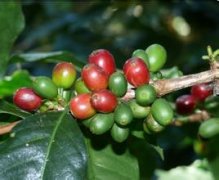
The growth cycle and picking of high-quality coffee
Coffee beans are the seeds of coffee trees. After three or four years of growth, the coffee tree matures and begins to bear fruit, with one fruit arranged in clusters or clusters along the branches. The outside of the seed is a layer of peel, which can be picked as soon as it turns red. Under the red skin (exocarp) there is a layer of pulp (mesocarp), which is a small thin layer, and then a layer of material endocarp like parchment. In
2015-01-07 Boutique coffee growth cycle picking coffee beans knots past year's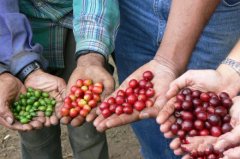
Tell me about the varieties of coffee beans.
According to the variety of coffee beans (Coffee Bean) can be divided into three types of coffee beans are: Arabica coffee contains about 1% per cent by weight of caffeine, generally speaking, the better quality, more expensive coffee beans, are from Elaraby (Arabica) coffee beans. Accounts for 3/4 of the world's output, good quality, due to the coffee tree itself
2014-06-28 Coffee beans coffee beans Arabica Rubebeca
Coffee beans and coffee beans
Coffee beans (Coffee Bean) varieties can be divided into three types, namely Arabica (Arabica) -coffee contains about 1% of caffeine by weight, generally speaking, the better quality, more expensive coffee beans, are from Arabica (Arabica) coffee beans. It accounts for three-quarters of the world's production and is of excellent quality because the coffee tree itself is resistant to heat and humidity.
2015-04-13 coffee variety boutique coffee beans type presentation Coffee
The flavor and taste of Rwandan coffee beans with long-lasting aroma the characteristics of the manor producing area are introduced to Kimmel Manor.
Most of the coffee in Rwanda is washed. The water washing method will first wash and flotation the ripe coffee fruit, then remove the exocarp, pulp and part of the pectin layer, then send the coffee into the fermentation tank, remove the remaining pectin layer and then send it to the drying ground for drying treatment, so that the water content reaches about 13%. The coffee in the picture above is placed in an African shed to dry.
2016-08-06 Aroma persistence Rwanda coffee beans flavor taste manor producing area characteristics introduction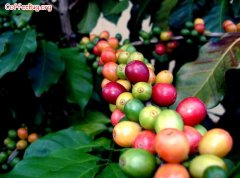
Variety classification of high-quality coffee beans and knowledge coffee
Coffee beans (Coffee Bean) can be divided into three types, namely Arabica-coffee contains caffeine of about 1% per cent by weight. Generally speaking, the better quality and more expensive coffee beans come from coffee beans grown by Elaraby. It accounts for 3/4 of the world's output and is of good quality, because the coffee tree itself is sensitive to heat and humidity.
2015-01-26 Boutique coffee beans knowledge coffee varieties classification Coffee
The growth cycle of Coffee and the Coffee Science of picking Fine products
The growth cycle of coffee and the picking of coffee beans are the seeds of coffee trees. After three or four years of growth, the coffee tree matures and begins to bear fruit, with one fruit arranged in clusters or clusters along the branches. The outside of the seed is a layer of peel, which can be picked as soon as it turns red. Under the red skin (exocarp) there is a layer of pulp (mesocarp), inside is a small thin layer, and then there is a layer like parchment
2015-07-30 Coffee growth cycle picking boutique coffee coffee beans
The growth cycle of coffee and picking coffee beans are the seeds of coffee trees.
Coffee beans are the seeds of coffee trees. After three or four years of growth, the coffee tree matures and begins to bear fruit, with one fruit arranged in clusters or clusters along the branches. The outside of the seed is a layer of peel, which can be picked as soon as it turns red. Under the red skin (exocarp) there is a layer of pulp (mesocarp), which is a small thin layer, and then a layer of material endocarp like parchment. In
2015-10-17 Coffee growth cycle picking coffee beans tree knots coffee over
Introduction to the flavor and taste of the coffee producing area of Rwanda Coffee Manor introduces the characteristics of Rwandan coffee
Most of the coffee in Rwanda is washed. The water washing method will first wash and flotation the ripe coffee fruit, then remove the exocarp, pulp and part of the pectin layer, then send the coffee into the fermentation tank, remove the remaining pectin layer and then send it to the drying ground for drying treatment, so that the water content reaches about 13%. The coffee in the picture above is placed in an African shed to dry.
2016-08-04 Rwanda Coffee Manor producing area Flavor palate introduction Mayer characteristics Luwang
Introduction to the varieties of Coffee beans
Arabica coffee contains about 1% per cent of caffeine by weight. Generally speaking, better quality and more expensive coffee beans come from coffee beans grown by Elaraby. It accounts for 3/4 of the world's output and is of good quality. because the coffee tree itself is very sensitive to heat and humidity, the growth conditions are at least 900m above sea level.
2016-06-05 Coffee beans species varieties introductions rabbi Arabica coffee containing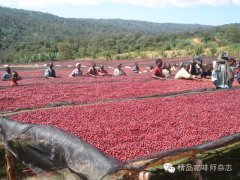
Coffee beans harvesting Coffee beans harvesting
Coffee beans are the seeds of coffee trees. After three to four years of growth, coffee trees mature and begin to bear fruit, one fruit after another arranged in clusters or clusters along the branches. The seed is covered with a peel that can be picked as soon as it turns red. Below the red skin (exocarp) is a layer of flesh (mesocarp), inside is a small thin layer, and further inside is a layer like parchment
2016-05-31 coffee beans picking harvest coffee tree knot aged raw
Arusha Coffee Manor Variety description characteristics of Flavor Coffee introduction
Tanzanian coffee is mostly washed. After picking, coffee farmers will send the coffee fruit to the nearest processing plant for processing. The treatment step of the water washing method is to screen and remove the impurities in the coffee fruit, then remove the coffee pulp and exocarp, send it into the fermentation tank, and remove the pectin layer from the inner pericarp by fermentation. Clean
2016-09-20 Arusha Coffee Manor Variety producing area Flavor description characteristics Fine products introduction