“dryness” search results (473)

Judging Coffee Taste Coffee extract and Coffee quality Italian blend of Coffee beans
Whenever acidity is discussed, it may be good or bad. More appropriately, it is a flavor category that contains both positive and negative attributes. For example, that cup of coffee has very pleasant acidity (That coffees acidity isdelightful) and that cup of coffee has very sharp acidity (That coffees acidity isvery sour).
2016-07-29 Coffee taste judgment extraction quality Italian blending coffee beans at any time
Three original species and basic knowledge of Coffee
There are about 40 species of coffee plants in the three native species of coffee, but the only ones that can produce coffee beans of commercial value are Arabica, Robusta and Liberian. these three species are called the three original species of coffee. 1. The origin of the Arabica species (scientific name Coffea arabica) is the Abyssinia Plateau of Ethiopia (present-day Ethiopia).
2016-06-01 Coffee three original basic knowledge coffee native plant about 4
Six factors affecting the beating of Milk Coffee Coffee pattern Coffee pattern Coffee Coffee pattern Technology mix beans Commercial Italian style strong
Understand the six factors that affect milk bubbles (1) Milk temperature is a very important factor when dispelling milk. when the storage temperature of milk increases by 2 degrees Celsius, the shelf life of milk will be reduced by half, and the higher the temperature. the more milk fat breaks down, the lower the degree of foaming. When stored at the same storage temperature, the longer the storage time, the more milk fat decomposes, and the more foaming is.
2016-04-16 6 influence milking factors coffee flower pull Italian style technology blending bean merchants
The knowledge of coffee beans what is the knowledge of coffee?
1. The origin of the Arabica species (scientific name Coffea arabica) is the Abyssinia Plateau of Ethiopia (now the Ethiopian Plateau). In the early days, it was mainly eaten as medicine (Islamic couples used as a secret medicine to cure the body and mind or to awaken the brain). It developed the habit of baking and drinking in the 13th century and was introduced into Europe through the Arab region in the 16th century.
2016-06-06 Coffee beans knowledge coffee what rabbi card species scientific name Coffea a
Learn about the three native species of coffee
Coffee belongs to the evergreen shrub of the genus Coffea of Rubiaceae, which is centered in the tropics. There are about 6000 species of Rubiaceae plants in this area. Coffee has always been considered to have certain effects, such as invigorating the stomach, waking up the brain, stopping bleeding, dissipating heat, strengthening the body and so on. The more famous Rubiaceae plant is Gardenia jasminoides, whose fruit was dried and used as medicinal material a long time ago.
2014-08-25 Coffee knowledge coffee bean varieties three major coffee varieties Arabica species Robusta species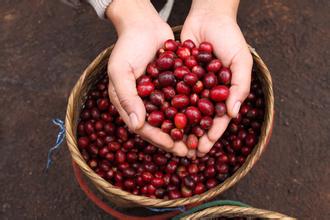
Coffee rookie entry-level learning coffee lesson 1 basic knowledge of coffee introduction to coffee varieties
Coffee belongs to the evergreen shrub of the genus Rubiaceae, which is centered in the tropics. There are about 6000 species of Rubiaceae belonging to 500 genera. Coffee has always been thought to have certain effects, such as strengthening the stomach, waking up the brain, stopping bleeding, dissipating heat, strengthening the body, and so on. The more famous Rubiaceae plant is Gardenia jasminoides, whose fruit was dried and used as medicinal material a long time ago. The three native species of coffee
2016-02-17 Coffee rookie introduction learning one lesson fundamentals knowledge learning variety coffee
15 Health-preserving functions of Coffee from the Angle of traditional Chinese Medicine
Coffee is an imported product, when Western culture collides with traditional Chinese medicine culture, let's see how traditional Chinese medicine feels the pulse of coffee! The coffee bean is taken from the fruit of the coffee tree. It is red and red in color, enters the heart, is bitter, and merges into the path of the large intestine. The taste is bitter and bitter, fried and scorched. Glycol has the effect of nourishing and relieving pain, relieving pain, diverging pungent flavor, passing through the brain-blood barrier and treating surface wind.
2015-04-07 Traditional Chinese medicine angle coffee 15 health preservation function
Introduction of Brand types of Coffee beans introduction of Coffee planting Environment
. The Robusta species (scientific name Coffea robusta Linden) is a leaf rust-resistant variety found in the African Congo, which teaches the Arabica species to be more resistant to the disease. People like to compare robusta species with Arabica coffee. In fact, robusta species is a mutant of Congo species (scientific name Cofffea canephora), so it should be compared with Arabica species.
2016-07-06 Coffee beans brands types introductions coffee planting environment Robes Booth learning
Introduction to the Flavor and taste of Arabica Coffee in China
Arabica coffee accounts for 70% of all coffee production, and Arabica coffee accounts for 70% of all coffee products. its excellent flavor and aroma make it a direct drinkable coffee with only 8 Arabica beans (8). But its resistance to dryness, frost, diseases and insect pests is too low, especially the natural enemy of coffee-leaf rust, so all producing countries are in
2016-07-12 China rabbi coffee planting situation flavor taste introduction domestic native
Traditional Chinese medicine talks about coffee and sees how to feel the pulse of coffee.
Coffee is an imported product, when Western culture collides with traditional Chinese medicine culture, let's see how traditional Chinese medicine feels the pulse of coffee! The coffee bean is taken from the fruit of the coffee tree. It is red and red in color, enters the heart, is bitter, and merges into the path of the large intestine. The taste is bitter and bitter, fried and scorched. Glycol has the effect of nourishing and relieving pain, relieving pain, diverging pungent flavor, passing through the brain-blood barrier and treating surface wind and heat.
2015-03-05 Traditional Chinese medicine coffee how feel the pulse
The species of Arabica beans, the classification of Arabica beans, coffee beans, Arabica.
Variety editor native species in all coffee production, Arabica coffee accounts for 70% of the coffee 80%, its excellent flavor and aroma make it the only coffee that can be drunk directly. However, its resistance to dryness, frost, diseases and insect pests is too low, especially the natural enemy of coffee-leaf rust, so all producing countries are committed to variety improvement.
2016-03-17 Rabbi kadou species classification coffee beans varieties editors native all coffee
Drinking coffee is not only an elegant life, but also a healthy life
Coffee is an imported product, when Western culture collides with traditional Chinese medicine culture, let's see how traditional Chinese medicine feels the pulse of coffee! The coffee bean is taken from the fruit of the coffee tree. It is red and red in color, enters the heart, is bitter, and merges into the path of the large intestine. The taste is bitter and bitter, fried and scorched. Glycol has the effect of nourishing and relieving pain, relieving pain, diverging pungent flavor, passing through the brain-blood barrier and treating surface wind and heat.
2015-03-14 Coffee a kind of elegance life also healthy life coffee exotic western
What are the three native species of coffee beans? 2016 the latest coffee information
There are about 40 species of coffee plants in the three native species of coffee, but the only ones that can produce coffee beans of commercial value are Arabica, Robusta and Liberian. these three species are called the three original species of coffee. 1. The origin of the Arabica species (scientific name Coffea arabica) is the Abyssinia Plateau of Ethiopia (present-day Ethiopia).
2016-06-13 Coffee beans three native coffee plant there are about 40 species can
Italian espresso extract powder than the most perfect taste
Making espresso is very simple, but it needs to control the proportion and balance of elements in order to pursue the best taste and perfect taste. However, mastering these proportions takes a long time to explore and contact, the most important of which is the gouache ratio. Gouache ratio is the ratio of coffee powder to the total weight of coffee. The weight of the coffee powder and the total coffee
2015-09-01 Italian concentrated Coffee extract Powder Water final Beautiful Taste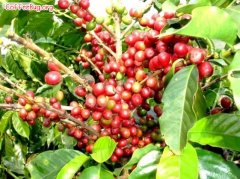
The basic knowledge of coffee beans The three original species of coffee
Coffee belongs to the evergreen shrubs of the genus Coffee of Rubiaceae, centered in tropical regions, with about 500 genera and 6000 species of Rubiaceae plants distributed here. Coffee has long been thought to have certain medicinal effects, such as invigorating stomach, refreshing mind, stopping bleeding, dissipating heat, strengthening body, etc. More famous Rubiaceae plants and gardenia, its fruit has long been dried as medicine
2015-11-06 coffee beans basics coffee three big native
Fall in love with white coffee
White coffee not only connects the pure aroma of natural coffee, but also overcomes the shortcomings of traditional coffee. White coffee is not hot and dry, does not get angry easily, and is also very irritating to the gastrointestinal tract.
2014-07-23 Distinguish between black coffee white coffee black coffee coffee encyclopedia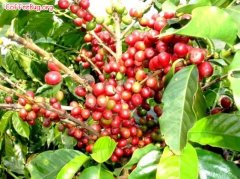
The basics of coffee beans the three native species of coffee
Coffee belongs to the evergreen shrub of the genus Rubiaceae, which is centered in the tropics. There are about 6000 species of Rubiaceae belonging to 500 genera. Coffee has always been thought to have certain effects, such as strengthening the stomach, waking up the brain, stopping bleeding, dissipating heat, strengthening the body, and so on. The more famous Rubiaceae plant is Gardenia jasminoides, whose fruit was dried and used as medicinal material a long time ago. The three native species of coffee
2015-01-26 Coffee beans basic knowledge coffee three native belong to grass family evergreen
Different powder-to-water ratios for making espresso
Chongqing Brista Coffee training School today shared with friends the different powder-to-water ratios of espresso made from all over the world. It is very simple to make espresso, but in the process, various proportions and balances of elements need to be controlled in order to pursue the best taste and perfect taste. However, mastering these proportions takes a long time to explore and connect, and the most
2015-11-05 Production Italian concentrated Coffee different Powder Water
Malaysian white coffee
White coffee is a native product of Malaysia with a history of more than 100 years. White coffee does not mean that the color of coffee is white, but uses high-grade Liberica, Arabica and Robusta coffee beans and super skim cream raw materials to remove a large amount of caffeine after moderate and mild low temperature baking and special processing, remove the bitter and sour taste produced by high temperature carbon roasting, and remove the bitterness of coffee.
2014-07-01 Malaysia white coffee boutique coffee instant coffee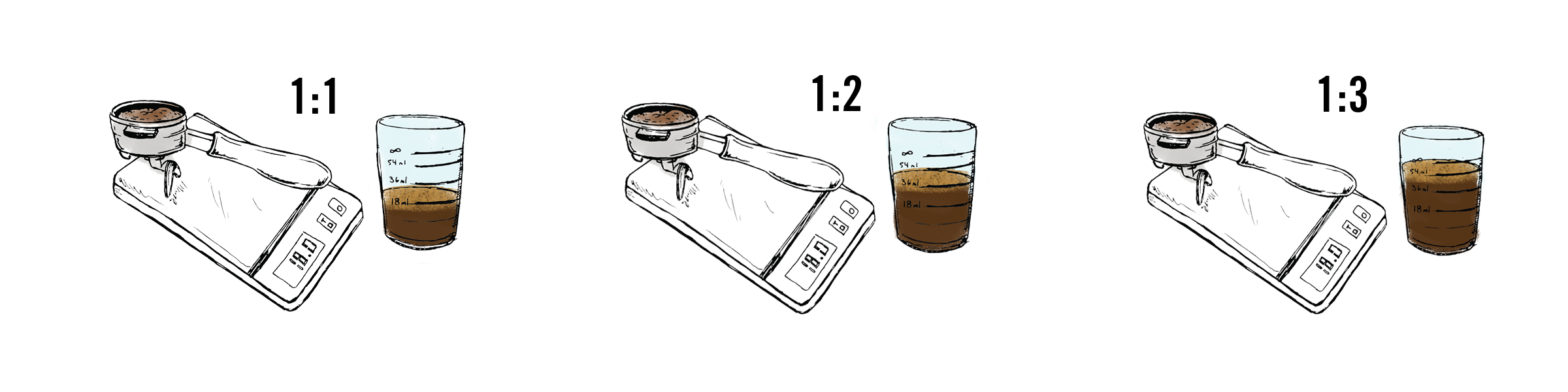
Espresso Coffee Different powder/water ratios produce different flavors Espresso Coffee
Espresso coffee has different powder-water ratios. It is very simple to make espresso coffee, but in the process, it is necessary to control the various proportions and balances between the elements in order to pursue the best taste and the most perfect taste. However, mastering these ratios requires a long time of exploration and contact, and the most critical one is the proportion of gouache. The proportion of ground coffee to the total weight of coffee.
2016-01-15 make Italian espresso coffee different powdered water produce taste