“compound leaves” search results (200)

Fine Coffee Science explains the nouns of coffee in detail.
[source] basic source of medicinal materials: seeds of small fruit coffee, medium fruit coffee and large fruit coffee of Rubiaceae. Latin plant animal mineral name: 1.CoffeaarabicaL.2.CoffeacanephoraPierreexFroehn.3.CoffealibericaBul1.exH1en harvesting and storage: the pericarp begins to turn red and can be harvested. The harvest time varies with the species, and the small seeds are collected from September to November and from September to October.
2014-10-16 Coffee knowledge boutique caffeine coffee coffee encyclopedia
Coffee roasting and Coffee Flavor Coffee Flavor
Americans often say: One mans meat is another mans poison, that is, one person is regarded as delicious, others as poison. The aroma spectrum of dry distillation can be divided into three categories: resin rhyme, spicy rhyme and carbonized rhyme, as follows: 1. Resin rhyme: turpentine and choking turpentine: turpentine, chicory, mahogany, wine, blackcurrant branches and leaves: Rosemary, eucalyptus alcohol, Eucalyptus leaves,
2016-06-15 Coffee roasting flavor resin spice carbonized American often said One ma
Classify the smell of coffee by source
According to the source, the aromatization table can be divided into three groups: the first group: this kind of compound is the result of enzymatic reaction during the growth of coffee beans. The main components are ester and aldolase. This compound is the most volatile and is often found in the dry aroma of freshly ground coffee powder. The first group can be further subdivided into three types: floral flavor, fruit flavor and
2014-09-12 Coffee knowledge division of coffee coffee smell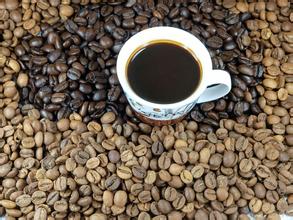
Variety Classification and Medicinal value of Coffee Tree
Variety classification Arabica bean coffee tree can be divided into two main varieties: Arabica species (Coffea Arabica) and Robusta species (Coffea Robusta/Coffea Canephora). There are also some minor species, such as the Liberian species (Coffea Liberica) and the Alabasta species (Coffea Arabusta), but they are rare on the market. Rob.
2016-06-12 Coffee variety category medicinal value classification rabbi Kadou coffee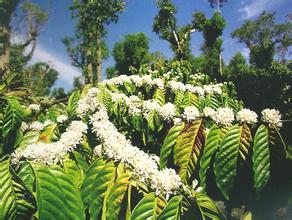
The smell of coffee according to its source is of great reference value for roasting.
According to the source, the aromatization table can be divided into three groups: the first group: this kind of compound is the result of enzymatic reaction during the growth of coffee beans. The main components are ester and aldolase. This compound is the most volatile and is often found in the dry aroma of freshly ground coffee powder. The first group can be further subdivided into three types: floral flavor, fruit flavor and
2015-11-24 According to source division coffee smell baking very reference value according to
Coffee roasting and Coffee Flavor Wheel New version of Coffee Flavor Wheel
The deep roasting of counter-cultural coffee flavor wheel highlights that light roasting of wood incense can highlight the bright smell of sour flowers, grasses and fruits, but hopeless deep roasting fans fall in love with resin components such as incense, smelling, choking aroma and alcohol odor. this is the product of Mena reaction and distillation. Resin composition: pine and cypress families of Pinaceae and Taxodiaceae, both secrete oleoresin with spicy fragrance to protect against insect pests or
2015-11-09 Coffee roasting flavor culture new edition coffee deep roasting highlight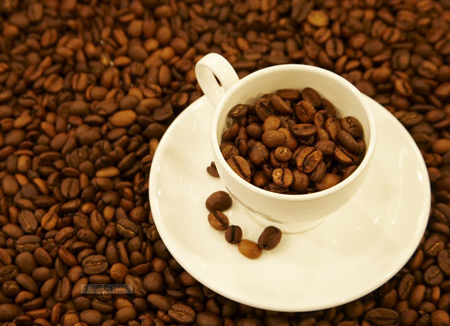
Coffee Flavor Wheel-World's Third Wave of Coffee Aesthetics
Deep baking highlights wood incense Light baking can highlight the bright smell of flowers, grass, fruit acid fragrance, but there is no medicine to save the deep baking fans love the incense, stuffy fragrance, choking fragrance and alcohol of resin components, which is the product of Mena reaction and dry distillation. (resin component: pine and cedar families of conifers, both of which secrete oleoresin compounds and have a pungent aroma to resist pests or squirrel nibbling) destructive distillation
2015-11-13 coffee flavor world third aesthetic dark roast highlight woody incense light roast
Coffee Bean roasting Coffee roasting and Coffee Flavor Wheel
Deep baking highlights that light roasting of wood incense can highlight the bright smell of sour flowers, grass and fruit, but hopeless deep-baked fans fall in love with resin incense, smelling, choking aroma and alcohol smell, which is the product of Mena reaction and dry distillation. (resin composition: pine and cypress Pinaceae and Taxodiaceae, both secrete olefins with spicy aroma to protect against insect pests or squirrels.) dry distillation
2015-09-01 Coffee beans roasting common sense coffee flavor deep roasting highlighting wood incense light roasting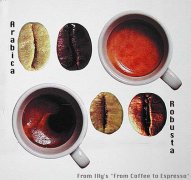
Coffee flavor is most affected by the factor "mercaptan" to create deep-roasted and light-roasted coffee beans.
Boutique coffee (specialty coffee) is also called specialty coffee selection coffee. It refers to coffee made from a small number of raw beans with excellent taste grown in an ideal geographical environment. Depending on the special soil and climatic conditions in which they grow, they have outstanding flavor. After strict selection and classification, this kind of coffee is hard in texture, rich in taste and stylish.
2016-06-13 Coffee flavor influence big factor mercaptan brewing deep roasting strong aroma light roasting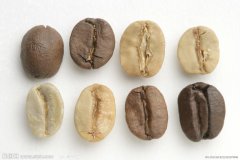
Coffee grounds green fertilizer two kinds of coffee coffee picking coffee net
Coffee grounds as a green material can be fertilized to nitrogen-loving plants and most seasonal plants and onions. Sprinkle coffee grounds into the pots of home-grown acid-loving plants, such as rhododendrons, roses, camellias, milanos, etc., to help produce more beautiful and colorful flowers. Coffee grounds mixed with brown materials such as dead leaves and hay are excellent compound fertilizers
2016-04-16 coffee green fertilizer guangxi picking as one kind raw material
Why do Japanese love coffee so much? I can't believe there are so many benefits!
Many people have the impression that Europeans and Americans like to drink coffee and Asians like tea. However, the Japanese are a special case. The Japanese, who have always adhered to the route of leaving Asia and entering Europe, are infatuated with coffee close to worship! There are nearly 100,000 coffee shops in Japan, which is an important place for Japanese social and business negotiations. Before Mr. Nikko came to Japan, there were only a handful of times to drink coffee. After arriving in Japan, he had noodles every day.
2015-07-27 Japanese why so love to drink coffee unexpectedly good
Healthy new fashion, tea made from coffee leaves
Coffee beans and tea have long been popular as drinks, but new research has found that tea brewed from the leaves of coffee trees is healthier, less bitter and milder than coffee and tea.
2014-05-30 Coffee News Coffee Leaf Tea Coffee Health
11 reasons why tea beats coffee
Tea leaves a good impression in people's minds all the time. The specific composition is as follows: the chemical composition of tea is composed of 3.5-7.0% inorganic matter and 93-96.5% organic matter. There are about 27 kinds of inorganic mineral elements in tea, including phosphorus, potassium, sulfur, magnesium, manganese, fluorine, aluminum, calcium, sodium, iron, copper, zinc, selenium and so on. In tea
2015-06-15 Tea victory coffee 11 reasons tea people in mind all the time there are
Tea made from coffee leaves is healthier.
Xihu Longjing Tea information platform: coffee beans and tea have always been made into drinks and have been widely praised, but a new study has found that making tea from the leaves of coffee trees is healthier, less bitter and milder than coffee and tea. Researchers tested 23 coffee plants, the Daily Telegraph reported. They found that there were seven coffee trees in the sample.
2014-04-27 Coffee made from leaves made Tea Health West Lake Longjing Information platform February
Coffee knowledge Chemical composition of Coffee General knowledge of Coffee
How many substances does a cup of coffee contain? Coffee extracted by traditional methods such as hand-brewing and Syphone contains more than 200 substances, while 1500 qualities can be extracted in an instant when using a Ruyi coffee machine and mocha pot. Unexpectedly, there are so many things in a cup of flavored water, the charm of coffee is made up of these substances. Coffee beans.
2014-09-16 Knowledge of coffee chemical composition of coffee common sense of coffee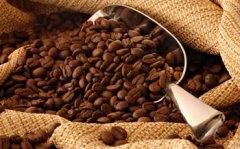
Common sense of Fine Coffee beans Chemical composition of coffee
How many substances does a cup of coffee contain? Coffee extracted by traditional methods such as hand-brewing and Syphone contains more than 200 substances, while 1500 qualities can be extracted in an instant when using a Ruyi coffee machine and mocha pot. Unexpectedly, there are so many things in a cup of flavored water, the charm of coffee is made up of these substances. Coffee beans.
2015-01-04 Boutique coffee beans common sense coffee chemistry ingredients a cup of coffee after all contains
Some suggestions on the preservation of raw beans in Coffee Encyclopedia
The preservation of raw coffee beans is generally affected by the following: 1) the water content of raw coffee beans, 2) the temperature of the surrounding environment, 3) relative humidity, the water content of the coffee bean itself: about 10-11% water content is our general understanding of a batch of good raw beans, but where does this number come from? What is its credibility? Kenya did an experiment on this, in a room of 10-35 degrees Celsius.
2014-09-28 Coffee knowledge coffee raw beans coffee beans preservation
Beware of excessive drinking and beware of caffeine damage
Many young people like to drink coffee, especially in cold winter days, a cup of hot coffee will bring infinite warmth to people. Although coffee has a refreshing effect and gives people a variety of wonderful feelings, it is inevitable for us to avoid the caffeine in coffee, which brings certain damage to people. Caffeine is a xanthine alkaloid compound, which is a kind of
2014-07-17 Drink coffee beware of caffeine caffeine damage
Coffee common sense some suggestions on the preservation of raw coffee beans
The preservation of raw coffee beans is generally affected by the following: 1) the water content of raw coffee beans, 2) the temperature of the surrounding environment, 3) relative humidity, the water content of the coffee bean itself: about 10-11% water content is our general understanding of a batch of good raw beans, but where does this number come from? What is its credibility? Kenya did an experiment on this, in a room of 10-35 degrees Celsius.
2014-11-19 Coffee knowledge coffee common sense coffee raw beans coffee beans preservation
Beware of excessive drinking and beware of caffeine damage
Many young people like to drink coffee, especially in cold winter days, a cup of hot coffee will bring infinite warmth to people. Although coffee has a refreshing effect and gives people a variety of wonderful feelings, it is inevitable for us to avoid the caffeine in coffee, which brings certain damage to people. Caffeine is a xanthine alkaloid compound, which is a kind of
2015-07-04 Be careful excessive drink beware caffeine damage many young people like coffee