“mercaptan” search results (47)
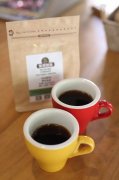
Coffee aroma coffee wine coffee roast coffee beans how to bake roast curve
Mercaptan has produced deep-baked fragrance since 1962, when two Nobel laureates, Reichstein and Stottinger, pointed out that uran, mercaptan, and alkylpyrazine. After Diketone is the key point to make coffee aroma, in fact, scientists have made great progress in this area over the years. Thomas Palerman (Thomas), a chemist from the world-renowned Kraft Foods Company (Kraft Foods).
2016-06-17 Coffee aroma wine roasting coffee beans how curve mercaptan make deep roast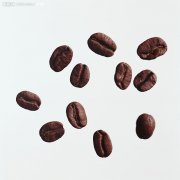
What is the flavor of deep-roasted coffee? what is the flavor of deep-roasted coffee beans? deep-roasted Mantenin Italian mixed beans commercial coffee
Alcohol has been deeply roasted since 1962, when two Nobel laureates, Reichstein and Stottinger, pointed out that uran, mercaptan, and alkylpyrazine. After Diketone is the key point to make coffee aroma, in fact, scientists have made great progress in this field over the years. Thomas H.
2016-07-01 Roasting Coffee Flavor what Coffee beans Mant Italian blending Commercial make
Coffee roasting and Coffee Flavor Coffee Flavor
Americans often say: One mans meat is another mans poison, that is, one person is regarded as delicious, others as poison. The aroma spectrum of dry distillation can be divided into three categories: resin rhyme, spicy rhyme and carbonized rhyme, as follows: 1. Resin rhyme: turpentine and choking turpentine: turpentine, chicory, mahogany, wine, blackcurrant branches and leaves: Rosemary, eucalyptus alcohol, Eucalyptus leaves,
2016-06-15 Coffee roasting flavor resin spice carbonized American often said One ma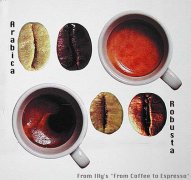
Coffee flavor is most affected by the factor "mercaptan" to create deep-roasted and light-roasted coffee beans.
Boutique coffee (specialty coffee) is also called specialty coffee selection coffee. It refers to coffee made from a small number of raw beans with excellent taste grown in an ideal geographical environment. Depending on the special soil and climatic conditions in which they grow, they have outstanding flavor. After strict selection and classification, this kind of coffee is hard in texture, rich in taste and stylish.
2016-06-13 Coffee flavor influence big factor mercaptan brewing deep roasting strong aroma light roasting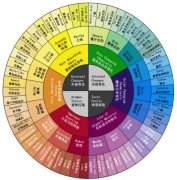
Coffee Bean roasting Coffee roasting and Coffee Flavor Wheel
Deep baking highlights that light roasting of wood incense can highlight the bright smell of sour flowers, grass and fruit, but hopeless deep-baked fans fall in love with resin incense, smelling, choking aroma and alcohol smell, which is the product of Mena reaction and dry distillation. (resin composition: pine and cypress Pinaceae and Taxodiaceae, both secrete olefins with spicy aroma to protect against insect pests or squirrels.) dry distillation
2015-09-01 Coffee beans roasting common sense coffee flavor deep roasting highlighting wood incense light roasting
Coffee Flavor Wheel-World's Third Wave of Coffee Aesthetics
Deep baking highlights wood incense Light baking can highlight the bright smell of flowers, grass, fruit acid fragrance, but there is no medicine to save the deep baking fans love the incense, stuffy fragrance, choking fragrance and alcohol of resin components, which is the product of Mena reaction and dry distillation. (resin component: pine and cedar families of conifers, both of which secrete oleoresin compounds and have a pungent aroma to resist pests or squirrel nibbling) destructive distillation
2015-11-13 coffee flavor world third aesthetic dark roast highlight woody incense light roast
Coffee common sense where does the flavor that often appears in coffee come from?
2-ethyl-3-℃-5-dimethylpyrazine-furanone (Sotolon) is sweet, caramel, maple, brown sugar 184 degrees ℃ 4-ethyl guaiacol 4-Ethylguaiacol is sweet and warm.
2014-09-28 Coffee knowledge coffee common sense coffee taste
Coffee roasting and Coffee Flavor Wheel New version of Coffee Flavor Wheel
The deep roasting of counter-cultural coffee flavor wheel highlights that light roasting of wood incense can highlight the bright smell of sour flowers, grasses and fruits, but hopeless deep roasting fans fall in love with resin components such as incense, smelling, choking aroma and alcohol odor. this is the product of Mena reaction and distillation. Resin composition: pine and cypress families of Pinaceae and Taxodiaceae, both secrete oleoresin with spicy fragrance to protect against insect pests or
2015-11-09 Coffee roasting flavor culture new edition coffee deep roasting highlight
"Mena reaction" caramelization reaction furan "to create caramel sweet black coffee
It was not until 1926 that furan unveiled the fascinating aroma of caramel sweet coffee for the first time by two top scientists, TadeusReichstein of Switzerland and Hermann Staudinger of Germany. After 1950, the two men won the Nobel Prize in Medicine and the Nobel Prize in Medicine for their outstanding contributions to science.
2016-06-13 Mena reaction saccharification reaction furan making caramel sweetness coffee dozen
Effect of roasting on Brown Coffee Powder
Roasting causes physical and chemical changes in coffee beans and ingredients, which determine the color and ignorance of brown coffee powder.
2014-07-12 Coffee knowledge coffee roasting coffee encyclopedia
Coffee perfume? Coffee perfume?
It is said that many people like coffee and are attracted by its charming aroma at first. Coffee has more than 850 kinds of aromatic substances, most of which are volatile substances, which is intoxicating when you smell it. Turning coffee into perfume is definitely a classic. You see, isn't that what someone has figured out? Jenny Frioch designs the world's first coffee fragrance and shoots the announcement.
2015-10-27 Coffee perfume curry fragrance reading guide it is said that many people like coffee start it is a fan
Effect of coffee roasting on brown coffee powder
Roasting causes physical and chemical changes in coffee beans and ingredients, which determine the color and ignorance of brown coffee powder. During roasting, raw beans contain sucrose and white sugar are melted into caramel. It mainly affects the color of roasted coffee; the glycan contained in coffee beans is partially degraded to produce sugar aldehyde during roasting, which makes roasted coffee have a special grain flavor. In the process of roasting, the shape of acids
2015-05-12 Coffee roasting brown coffee powder influence
Coffee common sense effect of roasting coffee beans on brown coffee powder
Roasting causes physical and chemical changes in coffee beans and ingredients, which determine the color and ignorance of brown coffee powder. During roasting, raw beans contain sucrose and white sugar are melted into caramel. It mainly affects the color of roasted coffee; the glycan contained in coffee beans is partially degraded to produce sugar aldehyde during roasting, which makes roasted coffee have a special grain flavor. In the process of roasting, the shape of acids
2015-03-25 Coffee common sense coffee beans roasting brown coffee powder influence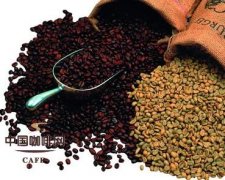
Effect of roasting on brown coffee powder roasting of boutique coffee beans
Roasting causes physical and chemical changes in coffee beans and ingredients, which determine the color and ignorance of brown coffee powder. During roasting, raw beans contain sucrose and white sugar are melted into caramel. It mainly affects the color of roasted coffee; the glycan contained in coffee beans is partially degraded to produce sugar aldehyde during roasting, which makes roasted coffee have a special grain flavor. In the process of roasting, the shape of acids
2015-01-28 Roasted brown coffee powder influence boutique coffee beans roast roasted
Effect of roasting and roasting of boutique coffee on brown coffee powder
Roasting causes physical and chemical changes in coffee beans and ingredients, which determine the color and ignorance of brown coffee powder. During roasting, raw beans contain sucrose and white sugar are melted into caramel. It mainly affects the color of roasted coffee; the glycan contained in coffee beans is partially degraded to produce sugar aldehyde during roasting, which makes roasted coffee have a special grain flavor. In the process of roasting, the shape of acids
2014-12-17 Boutique coffee common sense roast brown coffee powder influence coffee beans match
Coffee roasting degree coffee roaster coffee beans death wish coffee
The term "fine coffee" was first put forward by Ms. Knudsen of the United States in Coffee and Tea magazine. At that time, Ms. Knudsen, as a coffee buyer at B.C. Ireland in San Francisco, was very dissatisfied with the neglect of the quality of raw coffee in the industry, and even some big roasters mixed a large amount of Robesda beans in the comprehensive beans, so she put forward the concept of boutique coffee.
2016-06-16 Coffee roasting degree roaster coffee beans death wish boutique coffee one
The baking degree determines the taste spectrum towards deep roasting, shallow roasting, moderately roasted coffee beans.
Coffee taste spectrum consists of "smell spectrum" and "taste spectrum"; the former directs dry and wet fragrance, while the latter refers to water-soluble taste. The aroma of "odor spectrum" is appreciated by the sense of smell before and after the nose, and the liquefaction taste of "taste spectrum" is captured by the sense of taste. The "smell" and "taste" of coffee often vary with variety, altitude, soil and water, producing area, post-preparation, extraction and roasting degree, but
2016-06-20 Baking determination Taste Spectrum trend depth Light medium Coffee beans Coffee
Six steps to evaluate coffee cups
There are six steps in coffee cup evaluation, describing the aroma, aroma, taste, smell, aftertaste and mellowness of coffee.
2014-05-12 Coffee knowledge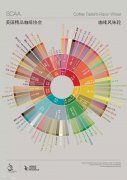
Coffee Flavor Wheel and flavor spectrum
The coffee taste spectrum was drawn by Tedelingo, a senior consultant of SCAA in 1997, and is composed of normal taste spectrum and abnormal taste spectrum. The so-called normal taste spectrum refers to the normal taste spectrum of coffee, while the abnormal taste spectrum refers to the abnormal taste spectrum of raw beans under abnormal conditions, such as improper processing, transportation and storage, resulting in deterioration of coffee protein, organic acids and fats, or improper roasting. "Coffee.
2016-06-01 Coffee Flavor Spectrum 1997 SCAA Senior Gu