“coffee growth cycle” search results (400)

Boutique coffee beans: Ethiopian Harald mocha coffee beans (Ethiopian Harar mocha
Ethiopian Harald mocha beans (Ethiopian Harar mocha) lightly roasted Harald coffee beans, brewed in a siphon coffee pot, really have a hint of citrus aroma! This Harald harar raw coffee bean looks like grade 5, irregular, long beans (longer flat beans), short flat beans, round beans, cracked beans, mutated beans, etc.
2015-12-10 Boutique coffee beans Ethiopia Harald Rahl Mocha Ethiopi
Common sense of Coffee Tree introduces the basic knowledge of coffee
The origin of the coffee tree is Ethiopia in Africa. In botany, coffee trees belong to the evergreen trees of the subgenus Rubiaceae, and coffee beans, commonly known as coffee beans, are actually the seeds of the fruit of coffee trees. They are called coffee beans only because they are shaped like beans. Climate is the decisive factor for coffee cultivation. Coffee trees are only suitable for growing in the tropics or subtropics, so latitude 25 degrees south and north.
2015-04-24 Coffee common sense introduction basics coffee origin Africa Ethiopia plants
Basic knowledge of Coffee planting requirements and conditions of Coffee trees
The origin of the coffee tree is Ethiopia in Africa. In botany, coffee trees belong to the evergreen trees of the subgenus Rubiaceae, and coffee beans, commonly known as coffee beans, are actually the seeds of the fruit of coffee trees. They are called coffee beans only because they are shaped like beans. Climate is the decisive factor for coffee cultivation. Coffee trees are only suitable for growing in the tropics or subtropics, so latitude 25 degrees south and north.
2015-05-09 Coffee fundamentals common sense planting summation conditions coffee origin Africa Ethiopia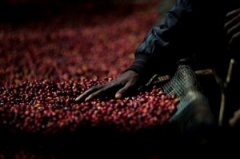
The hometown of African coffee Ethiopian boutique coffee beans
Ethiopia Coffee producing area: the full name of the Federal Democratic Republic of Ethiopia (formerly known as Abyssinia) is a country located in northeast Africa. English name: The Federal Democratic Republic of Ethiopia, Ethiopia is the country of origin and hometown of coffee. The most famous coffee beans in Ethiopia are Yega Xuefei and Harald.
2014-09-18 African coffee beans Ethiopian boutique coffee beans
An introduction to the estates of Ethiopian coffee-producing areas with the natural conditions for growing coffee
Sustainable coffee culture Ethiopian coffee beans grow in close to the natural environment, after years of planting under the same growth conditions, Ethiopian coffee beans have gradually adapted to the environment here. More than 60% of coffee beans are grown in forests or semi-forests. The villages that grow coffee in large areas account for about the total amount of coffee produced in the country.
2016-07-06 With planting coffee natural conditions Ethiopia producing areas manors introduction
Coffee Flavor description of Ethiopian Coffee Manor Coffee Flavor description of roasting degree Price planting Environment
Ethiopian coffee beans grow in close to the natural environment, after years of planting under the same growth conditions, Ethiopian coffee beans have gradually adapted to the environment here. More than 60% of coffee beans are grown in forests or semi-forests. Large-scale coffee-growing villages account for about 35% of the country's total coffee production. Many of these are used.
2016-10-14 Ethiopia coffee manor flavor description roasting degree price planting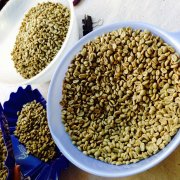
The growing environment of coffee trees evergreen trees of the subgenus Rubiaceae
The formation environment of coffee trees in botany, coffee trees belong to the evergreen trees of the subgenus Rubiaceae, and coffee beans, commonly known as coffee beans, are actually the seeds of the fruit of coffee trees, just because they are shaped like beans, so they are called coffee beans. Climate is the decisive factor for coffee cultivation. Coffee trees are only suitable for growing in the tropics or subtropics, so the zone between latitude 25 degrees south and north is generally called
2015-10-17 Coffee generation environment grasses subgenera evergreen trees green trees coffee
Cultivation techniques of coffee trees how would you like your latte coffee milk foam to be beaten?
The cultivation technology editor requires that the origin of coffee tree [4] is in Ethiopia in Africa. In botany, coffee trees belong to the evergreen trees of the subgenus Rubiaceae, and coffee beans, commonly known as coffee beans, are actually the seeds of the fruit of coffee trees. They are called coffee beans only because they are shaped like beans. Climate is the decisive factor for coffee cultivation. Coffee trees are only suitable for growing in the tropics or
2016-06-12 Coffee cultivation techniques Editors requirements Origin Africa
What are the main types of coffee trees? what is the introduction to the types of coffee?
Arabica bean coffee tree can be divided into two main varieties: Arabica species (Coffea Arabica) and Robusta species (Coffea Robusta/Coffea Canephora). There are also some minor species, such as the Liberian species (Coffea Liberica) and the Alabasta species (Coffea Arabusta), but they are rare on the market.
2016-06-16 Coffee main category which about introduction variety classification editor rabbi
Basic knowledge of coffee planting techniques and matters needing attention of coffee trees
The origin of the coffee tree is Ethiopia in Africa. In botany, coffee trees belong to the evergreen trees of the subgenus Rubiaceae, and coffee beans, commonly known as coffee beans, are actually the seeds of the fruit of coffee trees. They are called coffee beans only because they are shaped like beans. Climate is the decisive factor for coffee cultivation. Coffee trees are only suitable for growing in the tropics or subtropics, so latitude 25 degrees south and north.
2016-05-24 Coffee basic knowledge cultivation technology precautions coffee origin Africa
Ethiopian Coffee Manor Flavor description Grinding characteristics introduction to the taste price of varieties in producing areas
Ethiopian coffee beans grow in close to the natural environment, after years of planting under the same growth conditions, Ethiopian coffee beans have gradually adapted to the environment here. More than 60% of coffee beans are grown in forests or semi-forests. Large-scale coffee-growing villages account for about 35% of the country's total coffee production. Many of these are used.
2016-10-10 Ethiopia Coffee Manor Flavor description Grinding characteristics varieties producing areas
The name of coffee comes from what is the planting environment of coffee trees in coffee manor
Every country has its own coffee estate, and no one farm produces coffee varieties that are different from the planting conditions of coffee trees, but not all the land located in this area can produce good coffee trees. The ideal planting conditions for coffee trees are: a warm climate with a temperature of 15-25 ℃, and a rainfall of 1500-2000 mm throughout the year.
2016-05-27 Coffee name origin manor which planting environment each country all have
What natural conditions do coffee trees need to grow?
The planting conditions of coffee trees the origin of coffee trees is in Ethiopia, Africa. In botany, coffee trees belong to the evergreen trees of the subgenus Rubiaceae, and coffee beans, commonly known as coffee beans, are the seeds of the fruit of coffee trees, just because they are shaped like beans, so they are called coffee beans. Climate is the decisive factor for coffee cultivation, and coffee trees are only suitable for growing in the tropics or subtropics.
2016-06-12 Coffee planting need what natural conditions coffee conditions origin
What weather conditions are required for planting coffee trees
The planting conditions of coffee trees the origin of coffee trees is in Ethiopia, Africa. In botany, coffee trees belong to the evergreen trees of the subgenus Rubiaceae, and coffee beans, commonly known as coffee beans, are the seeds of the fruit of coffee trees, just because they are shaped like beans, so they are called coffee beans. Climate is the decisive factor for coffee cultivation, and coffee trees are only suitable for growing in the tropics or subtropics.
2016-06-13 Planting coffee need have what weather conditions planting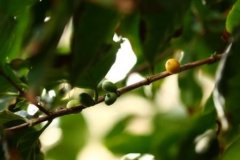
What conditions do you need to grow coffee trees?
Coffee is a perennial evergreen shrub or small tree of Rubiaceae. It is a horticultural perennial cash crop with the characteristics of fast growth, high yield, high value and wide market. Wild coffee trees can grow to a height of 5 to 10 meters, but coffee trees planted on the manor are often cut to a height of less than 2 meters in order to increase the amount of fruit and facilitate harvesting. The opposite leaves of coffee trees are long oval.
2015-11-02 Coffee planting needs what conditions
Growth and characteristics of Coffee trees
The origin of the coffee tree is Ethiopia in Africa. In botany, coffee trees belong to the evergreen trees of the subgenus Rubiaceae, and coffee beans, commonly known as coffee beans, are actually the seeds of the fruit of coffee trees. They are called coffee beans only because they are shaped like beans.
2014-09-02 Coffee knowledge coffee tree coffee tree planting coffee tree growth characteristics
Yunnan coffee farm certified by Rainforest Alliance Rainforest Alliance certification requirements Rainforest Alliance
Starbucks China joint venture partner Aini Group said yesterday that its company Manzhongtian Coffee Estate successfully passed the Rainforest Alliance certification on-site audit and became one of the Rainforest Alliance certified coffee estates in China. Rainforest Alliance has extremely high certification requirements in the world. The certified manor is located in Manzhongtian Village, Bangnong Village Committee, Yixiang Town, Simao District, Pu 'er City, and is located in Pu' er, the coffee capital of China.
2016-03-02 Yunnan coffee manor rainforest alliance certification requirements of yesterday buck
Introduction to the flavor and taste characteristics of Ethiopian coffee manor with fragrant and mellow smell
Ethiopian coffee beans grow in close to the natural environment. After years of planting under the same growth conditions, Ethiopian coffee beans have gradually adapted to the environment here. More than 60% of coffee beans are grown in forests or semi-forests. Large-scale coffee-growing villages account for about 35% of the country's total coffee production.
2016-09-13 Smell mellow thick Ethiopia coffee manor producing area flavor taste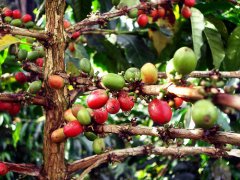
Basic knowledge of coffee what are the types of coffee trees?
Coffee is a perennial evergreen shrub or small tree of Rubiaceae. It is a horticultural perennial cash crop with the characteristics of fast growth, high yield, high value and wide market. Wild coffee trees can grow to a height of 5 to 10 meters, but coffee trees planted on the manor are often cut to a height of less than 2 meters in order to increase the amount of fruit and facilitate harvesting. The opposite leaves of coffee trees are long oval.
2016-05-18 Basic coffee knowledge class which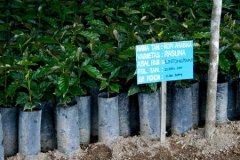
Boutique coffee beans introduce La Suna's Mantenin Coffee
La Suna Rasuna is a new Mantenin coffee bean variety grown in the Takengon Kengang region of Sumatra, Indonesia. Wet-processed to reduce acidity, Rasuna coffee beans have full Sumatran aromas, rich chocolate and mellow and smooth flavors. Rasuna Varietal La Souna Origin: Indonesia height: it is best to grow above 1200 meters above sea level.
2014-11-11 Coffee knowledge coffee beans La Souna Manning coffee