“cm” search results (1757)

The breeding ground of coffee how does coffee breed and where it is produced?
① nursery land selection: it is appropriate to choose close to the water source, good drainage, fertile, deep soil layer, loose loam or sandy loam as nursery land. ② soil preparation and application of basic fertilizer: the soil in the nursery should be fully ploughed and raked into fine pieces, ploughed 20 to 25 centimeters deep, stone, grass roots, sundries should be removed quickly, and then the border should be raised. The width of the border is 1 meter, the width of the path between the borders is 50 centimeters, and the east-west direction of the border on flat land is 5, 000 and 10, 000 jin.
2016-06-04 Coffee breeding ground how breeding producing area nursery selection proximity water source drainage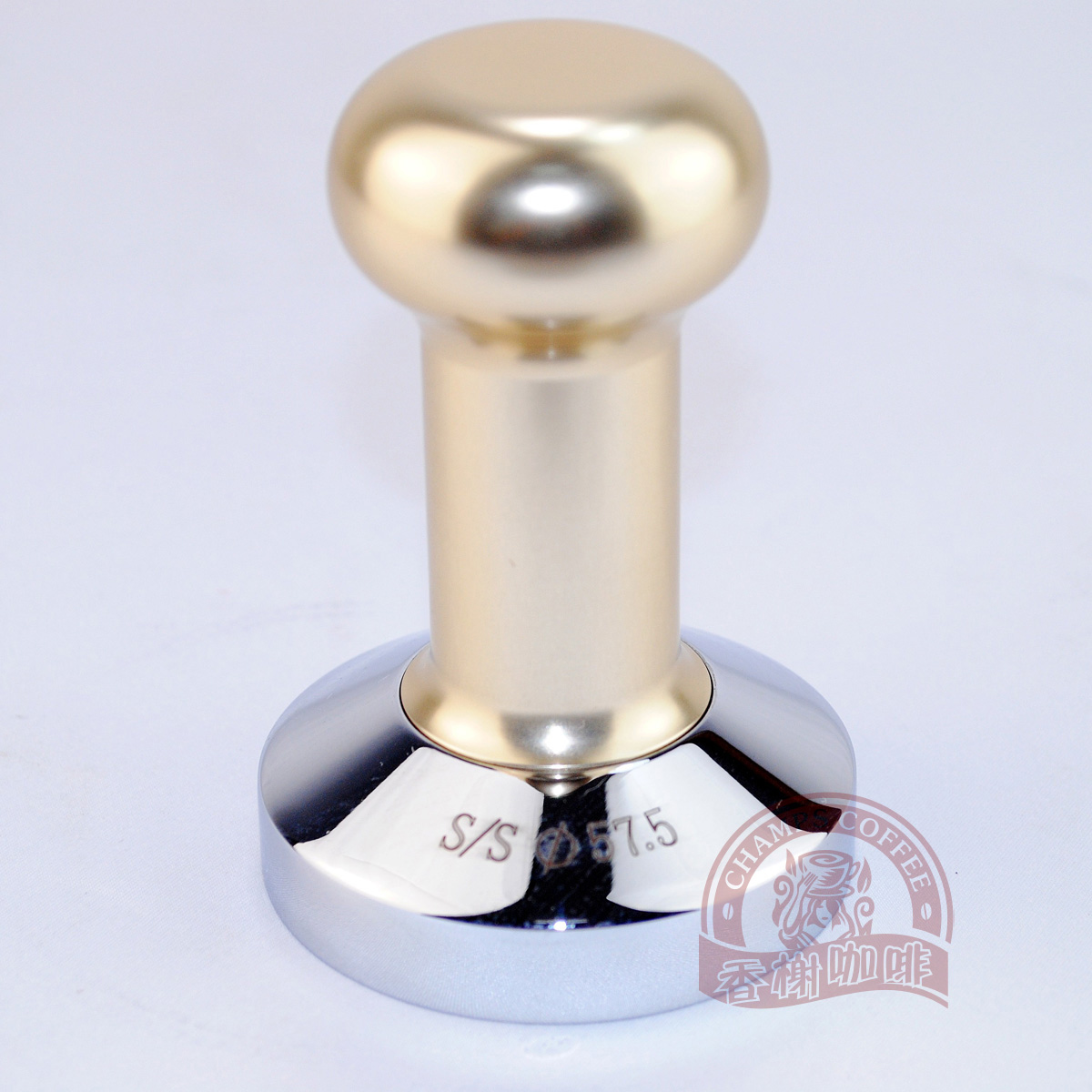
Italian coffee utensils: Italian steam semi-automatic coffee machine gold plated handle stainless steel powder press
Gold plated handle stainless steel powder press powder press hammer Italian steam semi-automatic coffee machine essential [gauge] height: 8cm base diameter: 5.75cm [weight] 435g [special order] A cup of delicious espresso (espresso) is not only the best enjoyment in itself, but also an important base for all kinds of fancy coffee; and making a good cup of coffee
2015-12-18 Italian coffee utensils steam semi-automatic coffee machine gilded handle stainless steel
Morphological characteristics and planting environment of small-grain coffee
Morphological characteristics edit small trees or large shrubs, 5-8 m tall, base usually much branched; old branches gray, small-grained coffee (6) nodes inflated, young branches glabrous, compressed. Leaves thinly leathery, ovate-lanceolate or lanceolate, 6-14 cm long and 3.5-5 cm wide, tip long acuminate, acuminate part 10-15 mm long, base cuneate or slightly obtuse, rarely rounded, entire or present
2016-06-13 Small grains coffee morphological characteristics planting environment editors trees or large
Arabica coffee bean planting species morphology Colombian coffee bean
The main varieties of Colombian coffee are small grains of coffee. Plants are small trees or large shrubs, 5-8 m tall, usually much branched at base; old branches gray-white, nodes dilated, young branches glabrous, compressed. Leaves thinly leathery, ovate-lanceolate or lanceolate, 6-14 cm long and 3.5-5 cm wide, tip long acuminate, acuminate part 10-15 mm long, base cuneate or slightly obtuse, rarely rounded, entire or
2016-04-22 Rabbi Coffee beans planting species Morphology Columbia Coffee products
The establishment of a coffee garden
1. The environmental conditions of land selection, planning and reclamation are closely related to the growth and development of coffee, which should be determined according to the growth habits and environmental requirements of coffee. Try to avoid choosing lowlands where cold air is easy to accumulate and condense frost; coffee roots are good, so choose well-drained and loose soil; coffee needs a calm wind environment, so in areas where there is no primary forest, consideration should be given to planning windbreaks.
2014-06-16 Coffee knowledge coffee garden coffee encyclopedia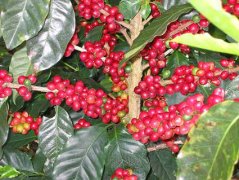
Colombian coffee bean species morphology Central and South American flavor
Species Morphology Colombian Coffee Plant Morphology Colombian coffee is mainly small grain coffee. Plants are small trees or large shrubs, 5-8 m tall, usually much branched at base; old branches gray-white, nodes dilated, young branches glabrous, compressed. Leaves thinly leathery, ovate-lanceolate or lanceolate, 6-14 cm long and 3.5-5 cm wide, tip long acuminate, acuminate 10-15 mm long, basal
2016-04-20 Columbia coffee beans species morphology Central and South America flavor brother
The boutique coffee production region of El Salvador introduces Santa Ana in the west and Charantanan fruit in the northwest.
El Salvador boutique coffee is concentrated in the volcanic rock producing areas of Santa Ana in the west and Charantanan fruit in the northwest. In recent years, the top 10 cup tests are almost entirely from these two producing areas, with an altitude of about 9-1500 meters, mainly bourbon (68%). Followed by Pacas (29%), mixed-race Pakamara, Dulaai and Kaddura accounted for only 3%. The coffee harvest season has been held since November.
2016-07-01 El Salvador boutique coffee production region introduction West Santa Anna
Common diseases and pests in coffee cultivation and their control methods
It is distributed in all coffee producing areas in the world, and it also occurs in Yunnan, Guangxi and Hainan Island in China. It is one of the major pests of coffee. The coffee tiger longicorn beetle harms the coffee trunk for more than 2 years and begins to eat between the cambium and the xylem.
2014-06-17 Coffee knowledge coffee cultivation coffee pests
Planting techniques and soil Environment of Coffee trees
(1) weeding, covering the young coffee garden, weeds are easy to breed, especially in the rainy season, weeding should be done once a month. If the labor force is sufficient, clean the grass should be removed first. Adult coffee garden can be weeded once every 2 to 3 months. If you use herbicides, you should be careful not to spray on the branches and leaves of coffee, and it is more important and prudent to use them in young coffee gardens. Coffee has shallow roots and is vulnerable to adverse climates such as high temperature and drought.
2016-06-05 Coffee planting technology soil environment weeding mulching young coffee garden weeds
Introduction to Salvadoran Coffee with excellent thickness and Fat feeling
Salvadoran coffee ranks side by side with Mexico and Guatemala as the producers of Asa and Merdo, and is fighting for the top one or two places in China and the United States with other countries. The highlands of origin are large coffee beans of all sizes, which are fragrant and mild in taste. Like Guatemala and Costa Rica, coffee in El Salvador is graded according to altitude, and the higher the altitude, the better the coffee
2016-09-01 Thickness grease excellent El Salvador coffee flavor taste manor boutique introduction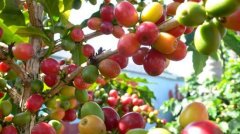
Colombian coffee species morphology coffee varieties boutique coffee beans China Coffee Network
The main varieties of Colombian coffee are small grains of coffee. Plants are small trees or large shrubs, 5-8 m tall, usually much branched at base; old branches gray-white, nodes dilated, young branches glabrous, compressed. Leaves thinly leathery, ovate-lanceolate or lanceolate, 6-14 cm long and 3.5-5 cm wide, tip long acuminate, acuminate part 10-15 mm long, base cuneate or slightly obtuse, rarely rounded, entire or
2016-04-15 Columbia Coffee species Morphology Variety Fine goods Coffee beans China
Colombian coffee bean Colombian species morphology Central and South American coffee beans
Species morphology the main varieties of Colombian coffee are small grain coffee. Plants are small trees or large shrubs, 5-8 m tall, usually much branched at base; old branches gray-white, nodes dilated, young branches glabrous, compressed. Leaves thinly leathery, ovate-lanceolate or lanceolate, 6-14 cm long and 3.5-5 cm wide, tip long acuminate, acuminate part 10-15 mm long, base cuneate or slightly obtuse, rarely round
2016-04-28 Colombia coffee beans species morphology Central and South America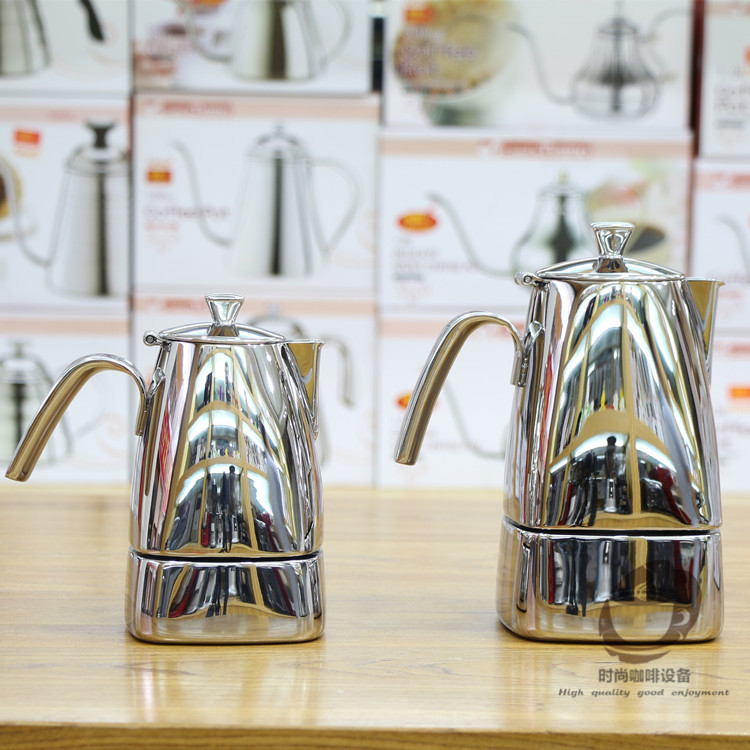
Taiwan TIAMO coffee utensils brand: mocha pot is made of stainless steel bright Italian coffee pot
Iamo stainless steel mocha pot made of 8-10 stainless steel sanding model A2287 HA2288 weight 659g six people 931g three 15cm six people 18cm mocha pot usage and characteristics selection of medium-roasted comprehensive coffee or single coffee requires finer grinding than American coffee, but it is thicker than the powder used in ordinary Italian coffee, less than
2016-01-16 Taiwan TIAMO coffee utensils brand mocha pot stainless steel bright light Italy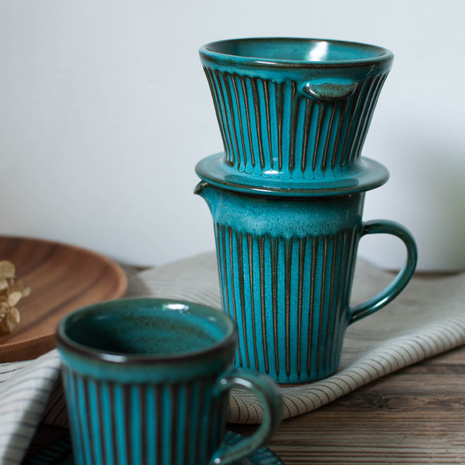
Most ceramic hand-made ceramic coffee pot household drip filter coffee cup the most distinctive coffee utensils
Brand: most ceramic color classification: White purple blue coffee pot classification: American material: ceramic ceramic writer: Zhong Heng, Jin Xiuyi author resume Zhong Heng: undergraduate and postgraduate graduated from Jing Dezhen Ceramic Institute Jin Xiuyi: bachelor degree graduated from South Korea Jianguo University, graduate students graduated from Jingdezhen Ceramic Institute, two people, two cats, a studio full of coffee utensils
2015-12-29 Ceramic hand-made coffee maker household drip filter coffee filter most features utensils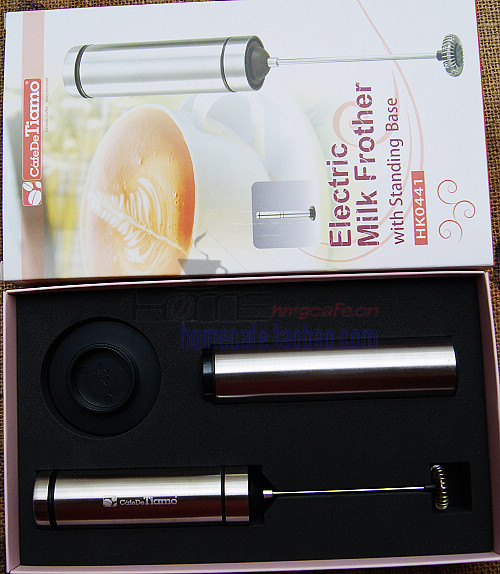
Tiamo brand espresso making utensils: TIAMO all stainless steel electric milking machine hk0441
Brand: TIAMO item No.: hk0441 the following is the comparison between TIAMO electric milk beater and general brand electric milk beater (including Ikea IKEA electric milk beater) TIAMO electric milk beater stirring rod thicker and stronger, not easy to bend, more durable mixing head material comparison, TIAMO material thicker, more durable TIAMO electric milk beater electric milk beater Brand: TIAMO Origin: Taiwan
2015-12-26 Tiamo Brand Italian Coffee Manufacturing utensils TIAMO stainless Steel
Coffee brewing filter paper: the operation technology of qualitative filter paper diameter 11cm and the introduction of chemical experiment
Brand: curious model: dxlz medium speed qualitative filter paper chemical experiment: filter paper is often used in the experiment together with filter funnel and Brinell funnel and other instruments. The filter paper needs to be folded into a suitable shape before use. The common folding method is to fold the filter paper into a flower-like shape. The higher the folding degree of the filter paper is, the higher the surface area can be provided, and the better the filtration effect is.
2015-12-28 Coffee brewing filter paper qualitative diameter 11cm operation technology chemical experiment
How do Salvadoran coffee beans taste?
El Salvador boutique coffee is concentrated in the volcanic rock producing areas of Santa Ana in the west and Charantanan fruit in the northwest. In recent years, the top 10 cup tests are almost entirely from these two producing areas, with an altitude of about 9-1500 meters, mainly bourbon (68%). Followed by Pacas (29%), mixed-race Pakamara, Dulaai and Kaddura accounted for only 3%. The coffee harvest season has been held since November.
2016-06-15 El Salvador coffee beans taste how boutique coffee set
Hand Net Coffee Bean Coffee Bean Points Coffee Flavor Roasting Coffee Method Roasting Coffee Notes
Recently rarely on the forum, mainly in the hands of the network found some problems not found before. For example, the flavor of coffee beans produced by the layering, dry and wet performance, grain flavor these. I consulted several seniors. At present, I have a preliminary understanding. I will summarize it and send it out. Please discuss it more to see if my thinking is correct. 1. The problem of hierarchy. I baked it before
2016-03-14 hand net coffee beans essentials coffee flavor roasting method attention recent rarely
Common Coffee Tree Diseases and pests and Control methods in Coffee planting
1. Coffee tiger longicorn beetles are distributed in all coffee producing areas in the world, and also occur in Yunnan, Guangxi and Hainan Island in China. It is one of the major pests of coffee. The coffee tiger longicorn beetle harms the coffee trunk for more than 2 years. At first, it eats between the cambium and xylem, and then eats the xylem. The victim was a curved tunnel filled with sawdust, which had a great impact on coffee.
2015-03-23 Coffee common sense planting common diseases and pests control methods coffee longicorn beetles the world
Colombian Santa Rita Manor Coffee with Gump in Acid: grindability, Price, Taste, introduction to the producing areas
The main varieties of Colombian coffee are small grains of coffee. Plants are small trees or large shrubs, 5-8 m tall, usually much branched at base; old branches gray-white, nodes dilated, young branches glabrous, compressed. Leaves thinly leathery, ovate-lanceolate or lanceolate, 6-14 cm long and 3.5-5 cm wide, tip long acuminate, acuminate part 10-15 mm long, base cuneate or slightly obtuse, rarely rounded, entire or
2016-10-08 Sour with Gump Columbia Santa Rita Manor Coffee Grinding Price taste