“breed” search results (2865)

Species morphology of Colombian coffee
The main varieties of Colombian coffee are small grains of coffee. Plants are small trees or large shrubs, 5-8 m tall, usually much branched at base; old branches gray-white, nodes dilated, young branches glabrous, compressed. Leaves thinly leathery, ovate-lanceolate or lanceolate, 6-14 cm long and 3.5-5 cm wide, tip long acuminate, acuminate part 10-15 mm long, base cuneate or slightly obtuse, rarely rounded, entire or
2016-05-24 Columbia Coffee species Morphology Variety Major small Grain
Species morphology of Colombian coffee
The main varieties of Colombian coffee are small grains of coffee. Plants are small trees or large shrubs, 5-8 m tall, usually much branched at base; old branches gray-white, nodes dilated, young branches glabrous, compressed. Leaves thinly leathery, ovate-lanceolate or lanceolate, 6-14 cm long and 3.5-5 cm wide, tip long acuminate, acuminate part 10-15 mm long, base cuneate or slightly obtuse, rarely rounded, entire or
2016-05-25 Columbia Coffee species Morphology Variety Major small Grain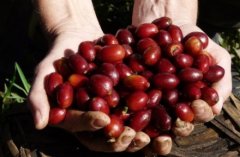
Coffee beans original Arabica, Robasta, Riperica, Exelsa
There are four original species of coffee: Arabica species in Ethiopia, Robasta and Riperica species in Congo, and Exelsa. The original species are used for breeding and research. So far, there are more than a hundred coffee varieties in the world, of which 76% are Arabica, and 24% are Robasta and Riperica. A: Arabica species (Arabica): at present
2015-01-04 Coffee beans original rabbi Robbas Buzz Rippe Rika Ike Sail Cha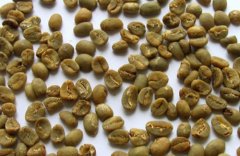
Fine coffee learning--Sumatra first class mantenin coffee mantenin coffee introduction mantenin coffee
Mantenin of Sumatra, a local variety with larger grains, sun-cured. Manteling coffee is a favorite of heavy coffee drinkers. It has a delicate, rich taste, less acidic, but more bitter, rich in authentic coffee flavor. North Sumatra Province is located in the north of Sumatra, the fifth largest island in the world. It is bordered by the Indian Ocean in the west and the Strait of Malacca in the east.
2016-03-28 boutique coffee Sumatra first grade mante presentation produced in
Species morphology of Colombian coffee
The varieties of Lambian coffee are mainly small-grain coffee. Plants are small trees or large shrubs, 5-8 m tall, usually much branched at base; old branches gray-white, nodes dilated, young branches glabrous, compressed. Leaves thinly leathery, ovate-lanceolate or lanceolate, 6-14 cm long and 3.5-5 cm wide, tip long acuminate, acuminate part 10-15 mm long, base cuneate or slightly obtuse, rarely rounded, entire or present
2016-06-01 Columbia Coffee species Morphology Biya varieties Major small grains plants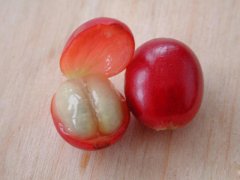
Panama Manor Coffee beans compared to Hartmann Border Rose Summer Hartmann La Frontera Columby
Country: Panama Panama Manor: Hartmann border rose summer Hartmann La Frontera treatment: sun Natural varieties: rose summer Gesha cup test flavor: 92 (flowers, sweet oranges, pineapple, pineapple, vanilla, lively flavor) Panama famous producing areas, many contestants compete with beans Hartmann's story is as legendary as its coffee. Hart.
2016-07-11 Panama Manor Coffee beans contrast Hartman Terman Border Rose Summer Har
Fine coffee Colombian coffee species morphology
The main varieties of Colombian coffee are small grains of coffee. Plants are small trees or large shrubs, 5-8 m tall, usually much branched at base; old branches gray-white, nodes dilated, young branches glabrous, compressed. Leaves thinly leathery, ovate-lanceolate or lanceolate, 6-14 cm long and 3.5-5 cm wide, tip long acuminate, acuminate part 10-15 mm long, base cuneate or slightly obtuse, rarely rounded, entire or
2016-05-29 Boutique Coffee Columbia species Morphology varieties Major
Species morphology of Colombian coffee bean
The main varieties of Colombian coffee are small grains of coffee. Plants are small trees or large shrubs, 5-8 m tall, usually much branched at base; old branches gray-white, nodes dilated, young branches glabrous, compressed. Leaves thinly leathery, ovate-lanceolate or lanceolate, 6-14 cm long and 3.5-5 cm wide, tip long acuminate, acuminate part 10-15 mm long, base cuneate or slightly obtuse, rarely rounded, entire or
2016-06-03 Columbia Coffee beans species Morphology Coffee varieties Major small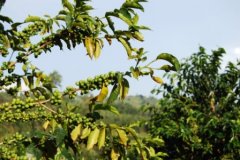
Manning coffee aged manning flavor
Manning is not the name of the producing area, the place name, the port name, nor the name of the coffee breed. How did it get its name? In fact, it is a phonetic error of the mandheling people in Mandaining, Indonesia. During the Japanese occupation of Indonesia during World War II, a Japanese soldier drank mellow coffee in a cafe, so he asked the shopkeeper the name of the coffee, and the boss mistook him for asking you.
2016-06-01 Mante coffee aging flavor mante not district name place name port neither
What are Columbia coffee beans? what are the characteristics of Colombian coffee beans?
Coffee beans such as Brazil and Colombia are named after their origin. Not a breed! The varieties of coffee are divided into: 1. Arabica 2. Robbins 3. Librika 4. Exelsa. Among them, about 60% of Arabica species account for the world. Robbins 35%. Liberica and Exelsa (rarely) Mocha has more meaning: the word Mocha is transliterated from a loanword and is used in coffee industry terminology.
2016-05-22 Boutique coffee what Colombia coffee beans characteristics Brazil
Costa Rican coffee research
Located about 30 kilometers northeast of San Jose, Costa Rica's capital, this research center belongs to the Costa Rica Coffee Association, which is Costa Rica's national research institution for coffee planting, breeding and quality inspection of Brazilian coffee. In addition, it also has 10 hectares of experimental fields planted with many excellent varieties. Coffee is Costa Rica's main agricultural product, producing more than 2 million bags a year.
2016-06-06 Costa Rica coffee scientific research cultivation located capital San Jose
General knowledge of boutique coffee explains what caffeine is
What is caffeine? in fact, we are in contact with caffeine every day. The main source of caffeine in the food industry is coffee beans. But the caffeine content of coffee beans varies from breed to breed. Some trees found in Ethiopia in 2004 contained 15 times more caffeine than the average. The amount of caffeine in a cup of coffee ranges from 75 to 250 milligrams. Caffeine in tea and cola
2014-11-10 Coffee knowledge fine coffee coffee common sense caffeine
Introduction to the description of Manor Flavor of Coffee planting Environment and Variety producing area in Saint Roman Manor, Costa Rica
The research center, located about 30 kilometers northeast of the Costa Rican capital San Jose, belongs to the Costa Rican Coffee Association and is a research institution for villa sarchi planting, breeding and quality inspection newly developed by Costa Rica's national coffee breeds. in addition, it also has 10 hectares of experimental plots, planting a number of excellent varieties. Coffee is the main agricultural product in Costa Rica, with an annual output of more than 2 million bags
2016-09-19 Costa Rica Roman Manor Coffee planting Environment Variety Flavor
Tanzania Coffee Varieties Producing Estates
After drinking Tanzanian coffee, you will always feel a soft and mellow earthy taste at the corner of your mouth. Coffee gourmets often use words like wild or wild to describe it. It can be said that pure Tanzanian coffee is the most African coffee. Tanzania AA is the highest level of beans, its full particles, pure flavor, rich and refreshing, all aspects of quality are first-class. Usually its acidity
2016-05-31 Tanzania Coffee Breed Region Manor Drinks Association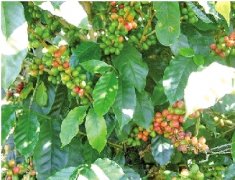
Kenyan boutique coffee Jiatugi processing plant in Kenya Nyeri producing area
There are many producing areas in Kenya that strive to preserve the native forest ecosystem, protect the natural gene pool, support the reproduction of wild coffee varieties and breed a variety of coffee trees. In 1930, the unique varieties of SL28 and SL34 in Kenya, which were cultivated and named by Scott Laboratories laboratory, were born in such a good environment. According to botanists in SL laboratory, SL28 and SL34 are
2016-05-14 Kenya boutique coffee Nyeri producing area home Tuji Gatugi
The Origin of the name mandheling
Manning is not the name of the producing area, the place name, the port name, nor the name of the coffee breed. How did it get its name? In fact, it is a phonetic error of the mandheling people in Mandaining, Indonesia. During the Japanese occupation of Indonesia during World War II, a Japanese soldier drank mellow coffee in a cafe, so he asked the shopkeeper the name of the coffee, and the boss mistook him for asking where you were.
2014-08-07 Coffee knowledge mandheling the origin of Manning's name.
Ethiopian washing and sunbathing Yega Chuefei flavor description extraction time taste characteristics of coffee beans
The place where Yega Chuefei Wauka Coffee is grown is a paradise on earth, a small mountain village, full of weapons, like spring all the year round. Even in summer, there is a gentle breeze, cool but not hot. The comfortable and pleasant climate not only creates a refreshing living environment, but also breeds a coffee flavor with unique citrus and floral aromas. In these places, coffee trees are mostly among farmers.
2016-10-19 Ethiopia washing Solar Yega Chevy Flavor description extraction time
The Origin of Manning's name mandheling
Manning is not the name of the producing area, the place name, the port name, nor the name of the coffee breed. How did it get its name? In fact, it is a phonetic error of the mandheling people in Mandaining, Indonesia. During the Japanese occupation of Indonesia during World War II, a Japanese soldier drank mellow coffee in a cafe, so he asked the shopkeeper the name of the coffee, and the boss mistook him for asking where you were.
2014-05-27 Coffee culture Manning
Coffee Encyclopedia SCAA Ancient Coffee Variety types Taste introduction and differentiation
Coffee has more than a hundred varieties of coffee, the more common coffee are: Arabica, outstanding personality, unique flavor, is the main force of boutique coffee, mainly used in coffee shop management and high-end coffee market supply; Robusta, rough flavor, high caffeine content, not a boutique coffee, often used
2022-06-28 Coffee knowledge SCAA Coffee varieties Coffee Encyclopedia
Arabica cultivation techniques: soil management
Weeding, covering young coffee garden, weeds are easy to breed, especially in rainy season, weeding should be once a month. If there is sufficient labor, remove the weeds first. Adult coffee gardens can be weeded once every 2 to 3 months. Such as the use of herbicides should be careful not to spray coffee leaves, in young coffee garden use more important caution. Coffee root shallow, vulnerable to high temperature and drought and other adverse climatic conditions
2014-07-09 Arabica coffee beans cultivation Yunnan Arabica coffee beans Yunnan Arabica coffee beans price