“assistive tools” search results (200)

An introduction to the characteristics of the manor producing area with a rich taste of Rwanda boutique coffee
Rwandans have been growing coffee since colonial times, but until 1999, its products were still classified as below Class C and were not popular in the global market. The reason for the poor quality is that farmers do not have a fixed procedure for washing coffee beans and do not process coffee fruits according to specifications in time. Buyers buy coffee beans at $0.33 per kilogram, and farmers keep warm by the meagre profits earned at low prices.
2016-09-07 Taste embellishment rich Rwanda boutique coffee flavor taste manor producing area
The History of Fine Coffee Culture Coffee Culture in Germany
In 1721, the earliest coffee shop in Germany was born in Berlin. As soon as cafes became popular in Germany, they were restricted by the local authorities. Therefore, compared with other countries, the development of German coffee is relatively simple. It was not until the early 19th century that coffee became one of the best money-making tools at the disposal of Germans. The vigorous development of coffee cultivation in Latin America and Central America in the mid-19th century
2015-04-07 Boutique coffee cultural history Germany coffee culture 1721 early
The processing method and Flavor description of Rwandan Coffee introduction to Fine Coffee in producing area
Rwanda's economy is dominated by agriculture. The population engaged in agriculture and animal husbandry accounts for 92% of the country's population. The main cash crops are coffee, tea and cotton. Because it is an agricultural and animal husbandry country, coupled with the loss of many young workers caused by the genocide in 1994, it is a huge blow to a country that is not already rich, and Rwanda is still a backward country. Luwang after the Civil War
2016-09-20 Rwanda coffee processing way flavor description producing area characteristics boutique introduction
Rwanda Coffee Origin Rwanda Coffee Taste
Rwandans have been growing coffee since colonial times, but until 1999, its products were still classified as below Class C and were not popular in the global market. The reason for the poor quality is that farmers do not have a fixed procedure for washing coffee beans and do not process coffee fruits according to specifications in time. Buyers buy coffee beans at $0.33 per kilogram, and farmers keep warm by the meagre profits earned at low prices.
2016-05-29 Rwanda Coffee Origin Taste Human colonization Times from Open
The source of washed coffee from Rwanda
Rwandans have been growing coffee since colonial times, but until 1999, its products were still classified as below Class C and were not popular in the global market. The reason for the poor quality is that farmers do not have a fixed procedure for washing coffee beans and do not process coffee fruits according to specifications in time. Buyers buy coffee beans at $0.33 per kilogram, and farmers keep warm by the meagre profits earned at low prices.
2016-05-24 Water washing coffee Rwanda source people since colonization times from open
The Origin of Rwandan Coffee Flavor Flavor Manor introduction to the Chilmel Manor in the Lute Xilo region of the Western Province
Rwandans have been growing coffee since colonial times, but until 1999, its products were still classified as below Class C and were not popular in the global market. The reason for the poor quality is that farmers do not have a fixed procedure for washing coffee beans and do not process coffee fruits according to specifications in time. Buyers buy coffee beans at $0.33 per kilogram, and farmers keep warm by the meagre profits earned at low prices.
2016-06-24 Rwanda Coffee Origin Flavor producing area Manor introduction Western Province Texi Mai
Introduction to the flavor and taste of Rwandan coffee beans the characteristics of Rwandan coffee beans in Chilmel Manor
Rwanda coffee is absolutely high quality in the form of washed Arabica beans. As far as Africa is concerned, its coffee industry is remarkable because the country thrives mainly by producing the best possible coffee beans. Coffee from Rwanda is becoming more and more popular in the international market. The mission of the Rwandan Coffee Association is to manage and supervise the coffee industry in Rwanda from production to sales.
2016-07-26 Rwanda coffee beans flavor taste introduction Mayer manor characteristics
Introduction to the treatment methods of fine Rwandan coffee beans
Rwandans have been growing coffee since colonial times, but until 1999, its products were still classified as below Class C and were not popular in the global market. The reason for the poor quality is that farmers do not have a fixed procedure for washing coffee beans and do not process coffee fruits according to specifications in time. Buyers buy coffee beans at $0.33 per kilogram, and farmers keep warm by the meagre profits earned at low prices.
2016-06-23 Boutique Rwanda coffee beans handling methods introduction people from
How to make perfect Italian concentrated Italian blended bean Italian coffee machine latte concentrated milk foam
The process of making espresso in Italy is much simpler today than it used to be. Baristas can improve the quality of coffee with the help of thermostatic bean grinders, electronic scales, laser scatterers and other tools. We all know that the production of espresso in Italy is a rigorous science, but how many people can guarantee that the quality of coffee made every time is constant? I don't think the key lies in the tools you use.
2016-07-11 How to make American Italian concentrated Italian matching Douyi coffee maker latte milk foam
Rwandan coffee varieties with rich flavors. Fine coffee beans. Flavor description.
In 1999, 220 coffee growers formed a union in the Malaba area (formerly part of Butare province) to combat the disease. Many of its members are farmers separated from their loved ones by the 1994 massacre, and some have husbands jailed or brought before traditional gacaca courts to face trial on charges of involvement in the massacre. They named it Abbawuza.
2016-09-23 strong flavor Rwanda coffee variety region boutique coffee bean description
The famous Rwandan coffee producing area manor, which is famous for washing and treating coffee beans, introduces the western province road of Kimmel Manor.
In 1999, 220 coffee growers formed guilds in the Malaba area (formerly part of Butare province) to address the disease. Among the guild members, many farmers were separated from their loved ones by the 1994 mass massacre, while some husbands were jailed or were taken to the traditional Gacaca Court (gacaca) to face trial on charges of participating in the massacre. They named the guild Abauza.
2016-06-23 Famous washing processing coffee beans Rwanda coffee producing areas manors introductions Mai
Introduction to the characteristics of Rwanda Coffee Bean Flavor Manor producing area Coffee growing Environment in Rwanda
Rwandans have been growing coffee since colonial times, but until 1999, its products were still classified as below Class C and were not popular in the global market. The reason for the poor quality is that farmers do not have a fixed procedure for washing coffee beans and do not process coffee fruits according to specifications in time. Buyers buy coffee beans at $0.33 per kilogram, and farmers keep warm by the meagre profits earned at low prices.
2016-08-04 Rwanda coffee beans flavor taste manor producing area characteristics introduction coffee species
Rainforest Alliance (RA) basic functions of Coffee in China what is the certification of imported coffee
Rainforest Alliance Rainforest Alliance Overview Rainforest Alliance (RA) was founded in 1987, headquartered in New York, USA. It is not only a non-profit international non-governmental environmental protection organization, but also the largest and most authoritative professional FSC certification organization recognized by the international forest certification system FSC. Its mission is to protect the world by changing land use patterns, business and consumer behavior.
2016-07-11 Rainforest Alliance basic functions China Coffee status quo Import which Certification Rain
Introduction to the description of baking degree in the flavor producing area of Rwanda boutique coffee beans
Comic relief, a British charity, is also interested in Malaba. They pledged to use some of the 55 million pounds earned from their 2001 Red nose Day (Red Nose Day) in the UK and Africa to donate to the Genocide Widows Association (Association des Veuves du Genocide,AVEGA), one of the great universities of Rwanda in 1994.
2016-09-26 Rwanda boutique coffee beans flavor producing area taste description baking degree medium
Take you to Melbourne for a cup of coffee to experience the history and culture of foreign coffee.
Le Coffee | Coffee lovers are here. For a city like Melbourne, coffee is not only a drink, but also a way of life, a feeling, a habit. A cup of coffee in the morning can refresh you and bring you different enjoyment. Different people according to different mood, with different taste of coffee, whole pond, half pond, milk, soy milk, mint very
2016-01-20 You go to Melbourne have a cup coffee feelings foreign countries history cultural knowledge.
Brief introduction of Rwanda Coffee beans how much is the coffee bean per jin
Malaba Coffee (Rwandan: Ikawa ya Maraba, French: Caf de Maraba) is Fairtrade certified coffee grown in the Malaba area of southern Rwanda. Malaba's coffee crop is a bourbon of the Arabica species and is grown in fertile volcanic soil on high-altitude hills. The fruits of coffee trees are mainly picked manually during the rainy season from March to May.
2016-05-04 Rwanda coffee beans super profile less money one jin
History of coffee in Rwanda
The Rwandans of origin have been growing coffee since colonial times, but until 1999, its products were still classified as below Class C and were not popular in the global market. The reason for the poor quality is that farmers do not have a fixed procedure for washing coffee beans and do not process coffee fruits according to specifications in time. Buyers buy coffee beans at $0.33 per kilogram, and farmers rely on the meagre profits earned at low prices.
2016-05-31 Rwanda Coffee History Origin Human colonization Times from Open
Coffee flower drawing technique sharing the flower drawing skills of hearts and leaves
Fancy coffee art mainly includes three forms: drawing, carving and printing. Printing is the use of mold assistance, cocoa powder, chocolate powder or cinnamon powder poured on the coffee to show a pattern, the more creative, the less technical. Pull and carving are collectively known as milk pull art (Latte Art). The former is directly through technical movements such as wrist jitter while pouring hot milk into espresso.
2015-01-09 Coffee flower drawing technology sharing hearts leaves skills fancy coffee art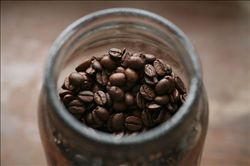
Characteristics of coffee beans in Rwanda planting methods of coffee beans in Rwanda
Rwandans have been growing coffee since colonial times, but until 1999, its products were still classified as below Class C and were not popular in the global market. The reason for the poor quality is that farmers do not have a fixed procedure for washing coffee beans and do not process coffee fruits according to specifications in time. Buyers buy coffee beans at $0.33 per kilogram, and farmers keep warm by the meagre profits earned at low prices.
2016-05-08 Rwanda coffee beans characteristics cultivation methods people colonization times
Fruit-scented Rwandan coffee beans taste the characteristics of the manor producing area introduction to Rwanda boutique coffee beans
Rwanda has been growing coffee since colonial times. Although the crops are mainly coffee, the quality of coffee produced in Rwanda is not outstanding, and its status in the coffee world is low, and few people pay attention to it. Most of the coffee varieties grown in Rwanda are bourbon. Rwanda, known as the country of Thousand Hills, has a high-altitude mountain environment, fertile volcanic soil and abundant precipitation.
2016-08-08 Fragrance Rwanda coffee beans flavor taste manor producing area characteristics introduction essence