“adaptability” search results (1755)
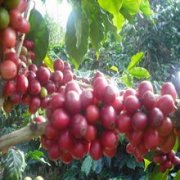
A brief introduction to the Gene Mutants of Coffee species
Kenya [SL28] and [SL34]: French and British missionaries and researchers sifted in Kenya at the beginning of the 20th century
2015-03-09 Coffee species genes mutants brief introduction
Introduction to the varieties and characteristics of Coffee beans
Typica, also known as Tippica, is the closest to the native species of Arabica, where almost all Arabica varieties originated. It was widely cultivated in Central and South America in the past, with long beans and excellent aroma and sour taste, but it is not resistant to leaf rust and requires a considerable number of shading trees, resulting in low production (same as bourbon, every two).
2016-06-05 Coffee beans varieties and their characteristics introduction
Coffee schedule for office workers. Have you had it today?
Tailor-made coffee schedules for office workers, so that the right coffee to adapt to your physical and emotional changes, spend a good day. Recommendation on the way to work (07:00-09:00): the best choice for the first cup of coffee in a cappuccino. Take a sip, like wrapped in a soft blanket, warm, soothing and quiet. It gently awakens you and allows leisure and freedom to accompany you all day. Mouth
2014-09-23 Coffee knowledge coffee schedule coffee encyclopedia
The three main types of coffee
In terms of coffee varieties, there are three main ones: Arabica, Robusta, and Liberia Liberica. The first two are more common, while the latter hardly circulates on the market and is traded only internally in some West African countries. Arabica is mostly produced in Brazil, Colombia, Guatemala, Jamaica, Mexico and other American countries, Costa Rica in the Caribbean Sea,
2014-09-19 Coffee encyclopedia the three original species of coffee
Shanghai coffee culture
With the opening of Shanghai, coffee sprang up in the concession. Many fashionable Shanghainese also go to taste fresh, often complaining bitterness and shouting "unexpectedly as bad as cough potion".
2014-05-15 Coffee culture coffee knowledge Shanghai culture
Output accounts for about 20% to 30% of the world's output. Robasta Coffee Tree Commercial Coffee
The bean shape of Robasta is larger, the front is gradually round, the back is round and convex, and the crack is straight. Robasta coffee trees are native to Madagascar in central and western Africa and Indonesia in Asia, and account for about 20% to 30% of the world's output. Robasta coffee tree is suitable for planting in the lowlands below 500 meters above sea level. It has strong adaptability to the environment and can resist bad conditions.
2016-06-02 Production about worldwide 20% 30% Robbas Bath Coffee Business
Output accounts for about 20% to 30% of the world's output. Robasta Coffee Tree Commercial Coffee
The bean shape of Robasta is larger, the front is gradually round, the back is round and convex, and the crack is straight. Robasta coffee trees are native to Madagascar in central and western Africa and Indonesia in Asia, and account for about 20% to 30% of the world's output. Robasta coffee tree is suitable for planting in the lowlands below 500 meters above sea level. It has strong adaptability to the environment and can resist bad conditions.
2016-06-02 Production about worldwide 20% 30% Robbas Bath Coffee Business
The three native species of coffee
The three main native species of coffee are coffee varieties: Arabica Arabica, Robusta Robusta, and Liberia Liberica. The first two are relatively long-term, while the latter is hardly in circulation on the market and is only traded within parts of West African countries. Arabica is mainly produced in Brazil, Colombia, Guatemala, Jamaica, Mexico and other American countries, the Caribbean Sea.
2014-08-26 Coffee seed coffee encyclopedia coffee common sense
Introduction of three Coffee varieties
Arabica variety (Arabica) is suitable for plateau cultivation, Robesta variety (Robusta) is suitable for lowland cultivation, and Liberian variety (Liberica) is suitable for minimum cultivation.
2014-08-13 Coffee knowledge coffee varieties Arabica Robstein Liberia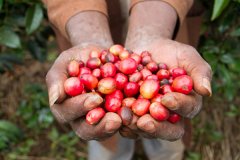
The species of coffee, tell me what kinds of coffee trees there are.
The coffee beans we usually see are red fruits on trees, seeds without peel and pulp. It is a kind of plant, so there will naturally be different tree species, just as there are many kinds of apples. There are two main categories visible in the market: Arabica and Robusta (rough flavor, caffeine more than twice as high as Arabica, not a boutique coffee variety. But in recent years, India
2015-10-26 Coffee tree species say all have what variety
A brief introduction to Coffee Culture in Ethiopia
Sustainable coffee culture Ethiopian coffee beans grow in close to the natural environment, after years of planting under the same growth conditions, Ethiopian coffee beans have gradually adapted to the environment here. More than 60% of coffee beans are grown in forests or semi-forests. The villages that grow coffee in large areas account for about the total amount of coffee produced in the country.
2016-06-04 Ethiopia Coffee Culture introduction Sustainable Development
Coffee common sense Why is plain coffee bitter?
Today, several friends have expressed to varying degrees that they do not adapt to the bitter taste of pure coffee. I believe many people feel the same way, but why is pure coffee bitter? A seemingly simple problem has been bothering scientists for decades. Now, scientists have narrowed down their research and targeted two chemical molecules. You have a cup of coffee, actually.
2015-03-12 Coffee common sense why bitter today there are several friends different degrees table
The three native species of high-quality coffee
There are three main varieties of coffee: Arabica Arabica, Robusta Robusta, and Liberia Liberica. The first two are relatively long-term, while the latter is hardly in circulation on the market and is only traded within parts of West African countries. Arabica is mainly produced in Brazil, Colombia, Guatemala, Jamaica, Mexico and other American countries, and Costa Rica in the Caribbean.
2014-11-13 Coffee knowledge coffee common sense coffee native species
Ethiopia Coffee Bean Flavor Manor introduces Ethiopian boutique coffee beans
Ethiopian coffee beans grow in close to the natural environment, after years of planting under the same growth conditions, Ethiopian coffee beans have gradually adapted to the environment here. More than 60% of coffee beans are grown in forests or semi-forests. Large-scale coffee-growing villages account for about 35% of the country's total coffee production. Many of these are used.
2016-07-21 Ethiopia coffee beans flavor taste manor introduction boutique
Coffee producing and growing areas in Ethiopia
Ethiopian coffee beans grow in close to the natural environment, after years of planting under the same growth conditions, Ethiopian coffee beans have gradually adapted to the environment here. More than 60% of coffee beans are grown in forests or semi-forests. Large-scale coffee-growing villages account for about 35% of the country's total coffee production. Many of these are used.
2016-06-14 Ethiopia coffee producing area planting region coffee beans growing in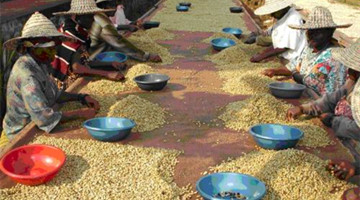
Santa Rita santa rita, Colombia imported high quality washed coffee beans Kaduai and Kaddura
The main varieties of Colombian coffee are Arabica coffee (coffea arabica), that is, small fruit coffee (small grain coffee). Relatively speaking, large fruit coffee (coffea robusta) is mostly grown in Africa of origin, such as the famous Madagascar coffee. There are several varieties of small fruit coffee. Brazilian coffee, which has the highest yield in the world, has large seeds, strong adaptability and high fruit yield.
2016-03-29 Colombia Santa Rita santa rita Import quality washing Department
There are three main native species of coffee in coffee varieties.
There are three main varieties of coffee: Arabica Arabica, Robusta Robusta, and Liberia Liberica. The first two are relatively long-term, while the latter is hardly in circulation on the market and is only traded within parts of West African countries. Arabica is mainly produced in Brazil, Colombia, Guatemala, Jamaica, Mexico and other American countries, and Costa Rica in the Caribbean.
2015-09-25 Coffee three native seed main there are three kinds coffee three.
Three native species of coffee compare the common sense of coffee
There are three main varieties of coffee: Arabica Arabica, Robusta Robusta, and Liberia Liberica. The first two are relatively long-term, while the latter is hardly in circulation on the market and is only traded within parts of West African countries. Arabica is mainly produced in Brazil, Colombia, Guatemala, Jamaica, Mexico and other American countries, and Costa Rica in the Caribbean.
2015-06-05 Coffee three original comparison common sense coffee planted mainly there are three kinds rabbi
High quality Coffee production and sales of Coffee from Ethiopia Coffee
Ethiopian coffee beans grow in close to the natural environment, after years of planting under the same growth conditions, Ethiopian coffee beans have gradually adapted to the environment here. More than 60% of coffee beans are grown in forests or semi-forests. Large-scale coffee-growing villages account for about 35% of the country's total coffee production. Many of these are used.
2016-07-06 High quality coffee Ethiopia producing country production situation sales volume introduction boutique
Introduction to Coffee Culture and Flavor in Ethiopia
Sustainable coffee culture Ethiopian coffee beans grow in close to the natural environment, after years of planting under the same growth conditions, Ethiopian coffee beans have gradually adapted to the environment here. More than 60% of coffee beans are grown in forests or semi-forests. The villages that grow coffee in large areas account for about the total amount of coffee produced in the country.
2016-05-31 Ethiopia coffee culture flavor introduction sustainable development