“Tanning” search results (804)

Coffee processing sun-dried bean flavor Ethiopia Sidamo Sidamo Guji Shaqi
Tanning is a traditional method for the initial processing of coffee beans, and at present, almost all coffee-growing countries such as Ethiopia and Yemen still use solarization to treat raw beans. Sun treatment will first identify sunken beans in the sink, that is, ripe or half-ripe beans are spread in the drying farm for natural drying. The specific time depends on the local climatic conditions, which usually takes two to four weeks.
2016-04-14 Coffee processing way Solar beans Flavor Ethiopia Dharma Sid
Suntan Latin Manor Coffee Bean COE Race Runner-up Manor
Tanning Latin RMB:300 less than half a pound, 2014 COE horse racing runner-up manor produced tanning Latin, coffee master must drink a kind of beans
2016-05-04 Solarization Latin Manor Coffee Bean COE Horse Race Runner-up Product Sunshine pull
FST Santa Teresa Manor Coffee Fine Coffee FST St. Teresa Manor Coffee production area
Do you remember the last issue of the tanning / wine-treated Panama of Hartman Manor? At that time, when we introduced Hartman Manor, we also mentioned St. Teresa Manor near Hartman Manor. And then this issue just happens to have a chance for us to get this washed bean from St. Teresa's Manor!
2016-05-27 FST Saint Resa Manor Coffee boutique producing area everyone first issue
The method of taking beans and sun treatment in the primary processing of coffee beans
Tanning is a traditional method for the initial processing of coffee beans, and at present, almost all coffee-growing countries such as Ethiopia and Yemen still use solarization to treat raw beans.
2014-06-18 Coffee knowledge coffee bean processing sun treatment
Coffee sun treatment which kinds of coffee beans are suitable for sun treatment
A brief introduction to the treatment of raw coffee beans solarization is a traditional method of primary processing of coffee beans. at present, almost all coffee beans are treated by solarization in ancient coffee-growing countries such as Ethiopia and Yemen. Sun treatment will first identify sunken beans in the sink, that is, ripe or half-ripe beans are spread in the drying farm for natural drying. The specific time depends on the local climatic conditions
2016-07-22 Coffee sun treatment which coffee beans type suitable use method coffee
Cta Amber Coffee
Cta Amber Coffee is the most famous coffee in Cuba.
2014-06-18 Coffee knowledge Amber Coffee Coffee Encyclopedia
What are the treatment methods of coffee beans G1 G2 G3 G4 respectively?
In fact, these Grade-2,Grade-3 do not exactly represent the level of quality. What does that mean? As follows: washing: Grade-1;Grade- 2 days sun: Grade-3;Grade-4;Grade-5 and Grade-1 several points to note: a) regardless of washing and sunlight, there is Gr-1, the condition is zero defect and Premium Cup. Whether it's washing or tanning, Gr-1 is the best of the boutiques or Cup of.
2015-11-03 Coffee beans respectively what is treatment method actually these Grade-2
The History and Culture of Cuban Coffee
In 1748, coffee was introduced into Cuba from Dominica, and Cuba began to grow coffee ever since.
2014-06-12 Coffee Culture Cuban Coffee History Coffee Encyclopedia
How to choose coffee beans G1 G2 G3 G4 what are the treatment methods? Boutique coffee beans
In fact, these Grade-2,Grade-3 do not exactly represent the level of quality. What does that mean? As follows: washing: a) both washing and sunlight, there is Gr-1, the condition is zero defect and PremiumCup. Whether it's washing or tanning, Gr-1 rates the boutique of the boutique or CupofExcellence coffee. B) the lowest level of sun-tanned Shifei and Sidamo is Gr-4. C) same
2016-04-01 How coffee beans respectively what is treatment method boutique in fact these G
Introduction to the characteristics of Yega Xuefei Fine Coffee Bean Flavor Manor
The traditional way of tanning in Ethiopia is rough and smelly, so it is popular.
2016-08-16 Yuyun Sweet Yega Chevy Fine goods Coffee beans Flavor Taste Manor producing area
Introduction to the flavor and taste characteristics of Yejasuffi Coffee Manor in Yuyun
The traditional way of tanning in Ethiopia is rough and smelly, so it is popular.
2016-08-08 Yuyun Sweet Yega Chevy Coffee Manor producing area Flavor palate characteristics
Cuban Crystal Coffee with Coffee beans treated in two ways
In Cuba, the vast majority of coffee beans are picked by hand. Coffee beans are picked about every half a month during the ripening period. During or after picking, coffee beans are classified and those immature and bad beans are removed to ensure the quality of the coffee. Cubans usually deal with coffee beans in two ways: sun exposure and water washing. Sunbathing is the simplest and most.
2016-07-02 Use two ways treatment coffee beans Cuba crystal coffee introduction boutique
Clean and meticulous Cuban crystal coffee introduces boutique coffee beans
In Cuba, the vast majority of coffee beans are picked by hand. Coffee beans are picked about every half a month during the ripening period. During or after picking, coffee beans are classified and those immature and bad beans are removed to ensure the quality of the coffee. Cubans usually deal with coffee beans in two ways: sun exposure and water washing. Sunbathing is the simplest and most.
2016-07-04 Taste clean meticulous boutique Cuba crystal coffee introduction coffee beans
The sun method of raw coffee beans introduces the ratio of coffee powder to water.
Tanning is a traditional method for the initial processing of coffee beans, and at present, almost all coffee-growing countries such as Ethiopia and Yemen still use solarization to treat raw beans. Sun treatment will first identify sunken beans in the sink, that is, ripe or half-ripe beans are spread in the drying farm for natural drying. The specific time depends on the local climatic conditions, which usually takes two to four weeks.
2016-06-12 Coffee raw beans solarization introduction tradition coffee beans primary processing methods items
The History of Cuban Coffee
In 1748, coffee was introduced into Cuba from Dominica, and Cuba began to grow coffee ever since. With fertile land, humid climate and abundant Rain Water, Cuba can be called a natural treasure land for coffee cultivation. The suitable natural conditions provide a favorable natural environment for the growth of coffee trees, and coffee is well planted and developed here. In Cuba, the cultivation of coffee is regulated by the state. Cuba is the most
2014-08-06 Coffee Culture Cuban Coffee History Coffee Encyclopedia
History and culture of Cuban coffee
Coffee was introduced to Cuba from Dominica in 1748, and Cuba has since grown coffee. The fertile soil, humid climate and abundant rainfall in Cuba make it a natural treasure for coffee cultivation. Suitable natural conditions provide a favorable natural environment for the growth of coffee trees, where coffee is well planted and developed. In Cuba, coffee cultivation is regulated by the State. Cuba
2015-04-29 Coffee Country of origin Cultural knowledge Cuba History and culture 1748 Domi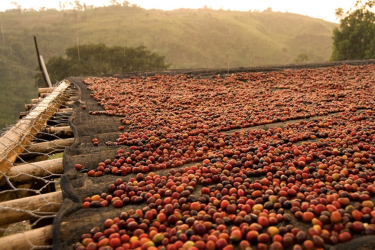
What is sun treatment? introduction to the flavor and taste characteristics of the technological steps of sun-drying coffee beans
Tanning is a traditional method for the initial processing of coffee beans, and at present, almost all coffee-growing countries such as Ethiopia and Yemen still use solarization to treat raw beans. Sun treatment will first identify sunken beans in the sink, that is, ripe or half-ripe beans are spread in the drying farm for natural drying. The specific time depends on the local
2023-03-05 What solarization treatment how one coffee beans primary processing tradition coffee
Introduction to Cuban Crystal Coffee with mellow and fragrant taste
Cubita is the number one export brand of Cuban coffee, famous for its mellow and fragrant taste. Export markets are mainly Japan, France, Germany, Ireland, Canada, China and other countries. The cubita coffee entering the Chinese market is all selected from the pollution-free Crystal Mountain coffee beans in the high altitude areas of Cuba, which is a typical Caribbean coffee bean, which is refined by the traditional washing process.
2016-06-30 Mellow fragrant taste Cuba Crystal Coffee introduction Cubita
Cuba Crystal Mountain Coffee Bean Boutique Coffee Latest Introduction and Information
In Cuba, coffee beans are mostly picked by hand. During the ripening period of coffee beans, they are picked about once every half month. During or after picking, coffee beans are sorted to eliminate immature and bad beans to ensure coffee quality. Cubans usually treat coffee beans in two ways: sunning and washing. Sunburn is the easiest,
2015-12-09 Cuba Crystal Mountain Coffee Bean Boutique Coffee Latest Profile Information
History of Cuban Coffee Culture of Cuban Coffee City
Coffee was introduced to Cuba from Dominica in 1748, and Cuba has since grown coffee. The fertile soil, humid climate and abundant rainfall in Cuba make it a natural treasure for coffee cultivation. Suitable natural conditions provide a favorable natural environment for the growth of coffee trees, where coffee is well planted and developed. In Cuba, coffee cultivation is regulated by the State. Cuba
2015-03-10 Cuba Coffee History Culture City 1748 Dominica